التعريف
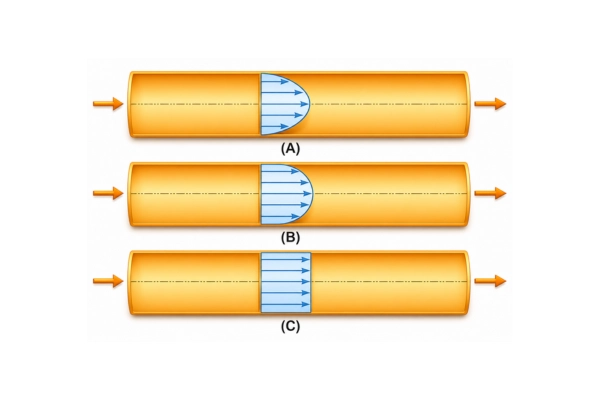
التدفق السدادي هو نموذج تدفق مثالي يتحرك فيه السائل عبر المفاعل على شكل “سدادات”، دون أي اختلاط محوري على طول اتجاه التدفق، مع وجود اختلاط شعاعي كامل عبر أي مقطع عرضي.
في نظام التدفق السدادي، يتصرف كل عنصر سائل كجزء مستقل، ويحافظ على هويته أثناء مروره عبر المفاعل. وتتمتع جميع العناصر بنفس السرعة، مما يؤدي إلى توزيع موحد لوقت البقاء.
المفهوم الأساسي
الافتراض الأساسي لنظام التدفق السدادي هو:
- لا يحدث اختلاط عكسي في اتجاه التدفق
- مخطط سرعة موحد عبر المقطع العرضي للمفاعل
- الخلط الكامل في الاتجاه الشعاعي
- التقدم المستمر للتفاعل على طول المفاعل
وهذا يتيح نمذجة المفاعل على أنه سلسلة من عناصر الحجم التفاضلية، حيث يخضع كل منها لنفس آلية التفاعل ولكن في مراحل تحويل مختلفة.
الأهمية الرياضية والهندسية
يُستخدم التدفق السدادي على نطاق واسع في تصميم المفاعلات لأنه يبسط العلاقة بين حركية التفاعل ومعدل التحويل.
من الناحية الهندسية، يتيح مفاعل التدفق السدادي (PFR) ما يلي:
- الارتباط المباشر بين طول المفاعل ومعدل التحويل
- توزيع زمن البقاء المتوقع
- معادلات مبسطة لميزان الكتلة والطاقة
- كفاءة تحويل عالية للعديد من أنظمة التفاعل
يُعد هذا النموذج ذا أهمية خاصة في هندسة التفاعلات الكيميائية وتصميم العمليات.
التطبيقات الصناعية
يُلاحظ سلوك التدفق السدادي أو يُقدَّر تقريبًا في الأنظمة الصناعية مثل:
مفاعلات التدفق المستمر
في مجال التصنيع الكيميائي الحديث، تُستخدم مفاعلات التدفق السدادي على نطاق واسع في:
- التخليق الكيميائي الدقيق
- إنتاج المواد الكيميائية المتخصصة
- أنظمة التفاعلات شديدة الإطلاق الحراري
- عمليات البلمرة المتحكم فيها
تتميز هذه الأنظمة بالقدرة على التحكم الدقيق في زمن البقاء وتطور التفاعل.
إنتاج البتروكيماويات والمواد
تُستخدم نماذج التدفق الخطي في:
- بلمرة اللدائن الهندسية
- إنتاج المواد الوسيطة مثل MMA
- التخليق الكيميائي عالي النقاء (على سبيل المثال،, LiFSI(العمليات ذات الصلة)
- التفاعلات الحفازة في الطور الغازي
أنظمة التصنيع المستمر
في أنظمة الإنتاج المستمر المتطورة، يساعد سلوك التدفق السدادي المهندسين على:
- تقليل الاختلاط العكسي إلى أدنى حد
- تحسين اتساق المنتج
- تعزيز انتقائية التفاعل
- تحسين كفاءة التحويل
وهذا يجعل التدفق الخطي مفهومًا أساسيًّا في استراتيجيات تكثيف العمليات الحديثة.
التفسير الهندسي
من الناحية الهندسية، يُعد التدفق السدادي نموذجًا مثاليًّا أكثر منه حقيقة فيزيائية كاملة.
غالبًا ما تظهر المفاعلات الحقيقية انحرافات ناتجة عن:
- التشتت المحوري
- آثار الاضطرابات
- مخططات السرعة غير المتجانسة
- التفاعلات مع جدران المفاعل
ومع ذلك، يظل التدفق الخطي نموذجًا تقريبيًّا مفيدًا للغاية في تصميم المفاعلات الصناعية وتحديد أبعادها.
اعتبارات تصميم العمليات
عند تصميم أنظمة تشبه التدفق الخطي، يقوم المهندسون بتقييم ما يلي:
- هندسة المفاعل (طول الأنبوب وقطره)
- توزيع سرعة التدفق
- حركيات التفاعل
- كفاءة نقل الحرارة
- التحكم في زمن البقاء
- خصائص الخلط
تؤثر هذه المعلمات بشكل مباشر على التحويل والانتقائية والإنتاجية.
العلاقة بشركة DODGEN Technologies
ترتبط مفاهيم التدفق الخطي ارتباطًا وثيقًا بما يلي:
- أنظمة الكيمياء ذات التدفق المستمر
- تكنولوجيا المفاعلات الصغيرة
- مفاعلات البلمرة
- حلول تكثيف العمليات
- تصميم هندسة التفاعلات الكيميائية
وهي تُعد نموذجًا أساسيًّا للعديد من تقنيات التصنيع المستمر المستخدمة في مجال الإنتاج الكيميائي المتطور.
محدودية نموذج التدفق الخطي
على الرغم من فائدته، فإن التدفق الخطي له بعض القيود:
- يفترض سلوك تدفق مثالي
- يتجاهل تأثيرات التشتت المحوري
- قد يؤدي ذلك إلى تبسيط مفرط للمفاعلات الصناعية الحقيقية
- يتطلب عوامل تصحيح في الأنظمة واسعة النطاق
غالبًا ما يستخدمه المهندسون كنموذج أساسي ويقومون بتحسينه باستخدام البيانات التجريبية.
المصطلحات ذات الصلة
- توزيع وقت الإقامة
- مفاعل التدفق المستمر
- نقل الكتلة
- التشتت المحوري
- التحويل
- هندسة التفاعلات الكيميائية
- CSTR (مفاعل خزان مع التحريك المستمر)