التعريف
حمض الجليكوليك، المعروف أيضًا باسم حمض الهيدروكسيأسيتيك، هو أبسط مركب في عائلة أحماض ألفا هيدروكسي (AHA). وله الصيغة الكيميائية CH₂OHCOOH، ويحتوي على كل من مجموعة الهيدروكسيل ومجموعة الكربوكسيل، مما يمنحه القدرة على المشاركة في مجموعة واسعة من التفاعلات الكيميائية.
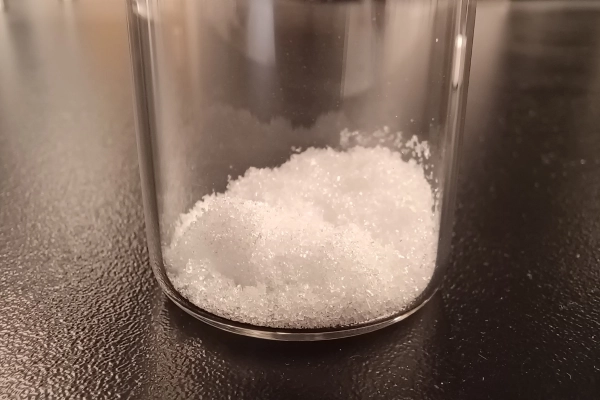
وعادةً ما يتم الحصول عليه في صورة مادة صلبة بلورية عديمة اللون، ويُستخدم كمادة وسيطة مهمة في الصناعات الكيميائية، والمواد القابلة للتحلل الحيوي، والتطبيقات المتخصصة.
الخصائص الفيزيائية والكيميائية
يُظهر حمض الجليكوليك خصائصً مميزةً لكل من الكحولات والأحماض الكربوكسيلية.
تشمل الخصائص الرئيسية ما يلي:
- الصيغة الكيميائية: CH₂OHCOOH
- مادة صلبة بلورية عديمة اللون
- الكثافة: حوالي 1.49 غ/سم³
- نقطة الانصهار: 79–80 درجة مئوية
- قابل للذوبان بدرجة عالية في الماء
- قابل للذوبان في الميثانول، والإيثانول، وحمض الأسيتيك، وأسيتات الإيثيل
ونظرًا لأن الجزيء يحتوي على مجموعات وظيفية هيدروكسيلية وكربوكسيلية على حد سواء، فإن حمض الجليكوليك قادر على تكوين أملاح، وإسترات، وأميدات، ونواتج تكثيف، مما يجعله مادة كيميائية وسيطة متعددة الاستخدامات.
طرق الإنتاج
تم تطوير عدة طرق صناعية لإنتاج حمض الجليكوليك.
تشمل طرق الإنتاج الشائعة ما يلي:
حمض أحادي الكلورو أسيتيك
↓
التحلل المائي
↓
حمض الجليكوليكوليك
وقد تتضمن الطرق الأخرى أكسدة الإيثيلين جلايكول أو عمليات تعتمد على الكربونيل في ظل ظروف تفاعل خاضعة للرقابة.
يعتمد اختيار تقنية الإنتاج على متطلبات نقاء المنتج، وتوافر المواد الأولية، والجوانب الاقتصادية للعملية، والتطبيقات النهائية.
المزايا الصناعية
يُستخدم حمض الجليكوليك على نطاق واسع بفضل تركيبته الكيميائية متعددة الوظائف.
تفاعلية عالية
إن وجود كل من مجموعات الهيدروكسيل والكربوكسيل يتيح لها المشاركة في العديد من التفاعلات الكيميائية ومسارات التخليق.
مادة كيميائية وسيطة قيّمة
يُعد حمض الجليكوليك مادة أولية مهمة في صناعة المواد الكيميائية المتخصصة، والإسترات، والبوليمرات، والمواد القابلة للتحلل البيولوجي.
إمكانات إنتاج البوليمرات
إن قدرتها على تكوين مواد وسيطة حلقية ونواتج تكثيف تجعلها مادة خام أساسية في تصنيع البوليمرات القابلة للتحلل البيولوجي.
التطبيقات الصناعية
إنتاج حمض البولي جليكوليك (PGA)
يُعد إنتاج ما يلي أحد أهم التطبيقات الصناعية لحمض الجليكوليك: حمض البولي جليكوليك (PGA), ، وهو بوليمر قابل للتحلل الحيوي وعالي القوة يُستخدم في الخيوط الجراحية والمواد المتخصصة.
تؤثر جودة ونقاء حمض الجليكوليك بشكل مباشر على أداء عملية البلمرة اللاحقة وخصائص حمض البولي جليكوليك (PGA) النهائية.
صناعة المواد الكيميائية
كما يُستخدم حمض الجليكوليك كمواد خام في تصنيع:
- الإسترات
- الأميدات
- المواد الوسيطة المتخصصة
- المواد الكيميائية الدقيقة
تطبيقات المنسوجات
تاريخياً، استُخدم حمض الجليكوليك في معالجة المنسوجات وفي التركيبات الكيميائية المساعدة لمعالجة الصوف والنايلون.
اعتبارات السلامة والمعالجة
ونظرًا لأن حمض الجليكوليك مادة ماصة للرطوبة وقابلة للذوبان بسهولة في الماء، فإن التحكم في الرطوبة وظروف التخزين يعتبران من العوامل المهمة التي يجب أخذها في الاعتبار أثناء مناولة المادة ومعالجتها.
فيما يتعلق بالإنتاج الصناعي، يركز المهندسون عادةً على:
- نقاء المنتج
- انتقائية التفاعل
- الوقاية من التآكل
- كفاءة التبلور
- متطلبات البلمرة في المرحلة النهائية
يمكن أن تؤثر هذه العوامل بشكل كبير على كفاءة التصنيع وجودة المنتج على حد سواء.
المصطلحات ذات الصلة
- حمض البولي جليكوليكوليكوليك (PGA)
- جليكوليد
- البلمرة
- البوليمرات القابلة للتحلل البيولوجي
- حمض اللاكتيك
- حمض متعدد اللبنيك (PLA)