Definición
El ácido glicólico, también conocido como ácido hidroxiacético, es el miembro más simple de la familia de los ácidos alfa-hidroxi (AHA). Con la fórmula química CH₂OHCOOH, contiene tanto un grupo hidroxilo como un grupo carboxilo, lo que le confiere la capacidad de participar en una amplia gama de reacciones químicas.
Normalmente se obtiene en forma de sólido cristalino incoloro y se utiliza como un importante producto intermedio en la fabricación de productos químicos, materiales biodegradables y aplicaciones especializadas.
Propiedades físicas y químicas
El ácido glicólico presenta características propias tanto de los alcoholes como de los ácidos carboxílicos.
Entre sus principales características se incluyen:
- Fórmula química: CH₂OHCOOH
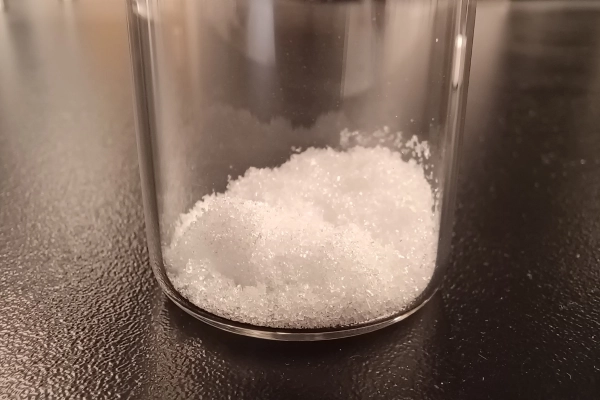
- Sólido cristalino incoloro
- Densidad: aproximadamente 1,49 g/cm³
- Punto de fusión: 79–80 °C
- Muy soluble en agua
- Soluble en metanol, etanol, ácido acético y acetato de etilo
Dado que la molécula contiene grupos funcionales hidroxilo y carboxilo, el ácido glicólico puede formar sales, ésteres, amidas y productos de condensación, lo que lo convierte en un intermediario químico versátil.
Métodos de producción
Se han desarrollado varios procesos industriales para la producción de ácido glicólico.
Entre los métodos de producción más habituales se encuentran:
Ácido monocloroacético
↓
Hidrólisis
↓
Ácido glicólico
Otras vías pueden consistir en la oxidación del etilenglicol o en procesos basados en la carbonilación en condiciones de reacción controladas.
La elección de la tecnología de producción depende de los requisitos de pureza del producto, la disponibilidad de materia prima, la rentabilidad del proceso y las aplicaciones posteriores.
Ventajas industriales
El ácido glicólico se utiliza ampliamente debido a su estructura química multifuncional.
Alta reactividad
La presencia tanto de grupos hidroxilo como de grupos carboxilo permite que participe en numerosas reacciones químicas y vías de síntesis.
Intermedio químico de gran valor
El ácido glicólico es un precursor importante para productos químicos especializados, ésteres, polímeros y materiales biodegradables.
Potencial de producción de polímeros
Su capacidad para formar intermedios cíclicos y productos de condensación lo convierte en una materia prima fundamental en la fabricación de polímeros biodegradables.
Aplicaciones industriales
Producción de ácido poliglicólico (PGA)
Una de las aplicaciones industriales más importantes del ácido glicólico es la producción de ácido poliglicólico (PGA), un polímero biodegradable de alta resistencia que se utiliza en suturas médicas y materiales especializados.
La calidad y la pureza del ácido glicólico influyen directamente en el rendimiento de la polimerización posterior y en las propiedades finales del PGA.
Fabricación de productos químicos
El ácido glicólico también se utiliza como materia prima en la fabricación de:
- Ésteres
- Amidas
- Intermedios especializados
- Química fina
Aplicaciones textiles
Históricamente, el ácido glicólico se ha utilizado en el procesamiento textil y en formulaciones de productos químicos auxiliares para el tratamiento de la lana y el nailon.
Consideraciones sobre seguridad y procesamiento
Dado que el ácido glicólico es higroscópico y se disuelve fácilmente en agua, el control de la humedad y las condiciones de almacenamiento son aspectos importantes que hay que tener en cuenta durante su manipulación y procesamiento.
En lo que respecta a la producción industrial, los ingenieros suelen centrarse en:
- Pureza del producto
- Selectividad de la reacción
- Control de la corrosión
- Eficiencia de cristalización
- Requisitos de la polimerización posterior
Estos factores pueden afectar de manera significativa tanto a la eficiencia de la fabricación como a la calidad del producto.
Términos relacionados
- Ácido poliglicólico (PGA)
- Glicolida
- Polimerización
- Polímeros biodegradables
- Ácido láctico
- Ácido poliláctico (PLA)