لا يقتصر اختيار أحد مصنعي البولي أكريليونيد (PLA) على مجرد مقارنة أسعار الراتنج أو الطاقة الإنتاجية. بل ينبغي على المشترين الصناعيين تقييم مدى توفر الدرجات المختلفة، والتوافق في المعالجة، واتساق الدُفعات، والدعم الفني، وموثوقية التوريد.
ومن المسارات العملية للاختيار ما يلي:
التطبيق → الخصائص المطلوبة → فئة PLA → نطاق المعالجة → اتساق الجودة → حجم التوريد → الشركة المصنعة
يقارن هذا الدليل بين الشركات الرائدة في إنتاج راتنجات PLA وشركات المواد المتخصصة، استنادًا إلى القدرة الإنتاجية، والتكامل الرأسي، ومحفظة الدرجات، ودعم التطبيقات، وأهميتها الصناعية.
كيف اخترنا شركات تصنيع PLA هذه
| المعايير | ما قمنا بتقييمه |
|---|---|
| القدرات التصنيعية | قدرات البلمرة والإنتاج باستخدام تقنية PLA |
| مقياس الإنتاج | القدرة على تلبية الطلب الصناعي |
| التكامل الرأسي | تكامل المواد الأولية وحمض اللاكتيك واللاكتيد والبولي لاكتيد (PLA) |
| محفظة الدرجات | الأغشية، والألياف، والقولبة، والبثق، والأنواع المتخصصة |
| مراقبة الجودة | النقاء، والوزن الجزيئي، واتساق الإنتاج |
| دعم التطبيقات | معالجة المعرفة والدعم في المراحل اللاحقة |
| القدرة على التوريد | السعة، والتوافر، والاستمرارية |
| التصنيع | القدرة على تطوير العمليات وتوسيع نطاقها |
يعكس هذا الترتيب الأهمية الصناعية الإجمالية، وليس القدرة الإنتاجية وحدها.
نظرة عامة على أفضل 10 شركات مصنعة لـ PLA
| الرتبة | الشركة | القدرة الرئيسية | نقطة الذاكرة الهندسية |
|---|---|---|---|
| 1 | NatureWorks | Ingeo™ PLA | النطاق العالمي لـ PLA والتكامل |
| 2 | توتال إنرجيز كوربيون | Luminy® PLA | مجموعة منتجات PLA عالية الأداء |
| 3 | فوتيرو | Futeon™ PLA | الجيبل المتكامل والاقتصاد الدائري |
| 4 | شركة تشجيانغ هيسون للمواد الحيوية | راتنج PLA | حجم الإنتاج في جيش التحرير الشعبي الصيني |
| 5 | شركة «آنهوي بي بي سي إيه» للكيماويات الحيوية | حمض اللاكتيك و PLA | التكامل بين المواد الأولية والبولي لاكتيد (PLA) |
| 6 | دودجن | PLA هندسة العمليات | التصنيع من المرحلة التجريبية إلى المرحلة التجارية |
| 7 | شركة كوفكو للتكنولوجيا الحيوية | المواد ذات الأصل الحيوي | تكامل المواد الخام الزراعية |
| 8 | هينان جيندان | حمض اللاكتيك والمواد الحيوية | قوة حمض اللاكتيك في المراحل الأولية |
| 9 | يونيتيكا | TERRAMAC® | تعديل وتجهيز PLA |
| 10 | تيجين فرونتير | BIOFRONT® | البولي لاكتيد (PLA) الوظيفي المتخصص |
1. NatureWorks

الموقع الإلكتروني: www.natureworksllc.com
العلامة التجارية PLA: Ingeo™
نقطة تذكيرية هندسية: النطاق العالمي لـ PLA والتكامل
تُعد شركة «ناتشروكس» واحدة من أبرز الشركات المنتجة للبولي لاكتيد (PLA) على نطاق واسع. وتبلغ الطاقة الإنتاجية الاسمية لمنشأتها الواقعة في بلير، بولاية نبراسكا، حوالي 150,000 طن متري سنويًّا، وهي متكاملة مع عملية إنتاج حمض اللاكتيك في مرحلة ما قبل التصنيع.
تُستخدم مجموعة منتجات Ingeo™ في مجال التغليف الصلب والمرن، وأدوات تقديم الطعام، والأقمشة غير المنسوجة، ومنتجات النظافة، والسلع المعمرة، والطباعة ثلاثية الأبعاد. كما تمتلك شركة NatureWorks قدرات مخصصة لتطوير التطبيقات.
وتتمثل ميزتها الرئيسية في الجمع بين إنتاج راسخ للراتنجات + نطاق واسع من التطبيقات + دعم فني في مراحل الإنتاج اللاحقة.
الأفضل لـ: المشترون الذين يحتاجون إلى إمدادات ثابتة من PLA عبر تقنيات تحويل متعددة.
2. توتال إنرجيز كوربيون

الموقع الإلكتروني: www.totalenergies-corbion.com
العلامة التجارية PLA: Luminy®
نقطة تذكيرية هندسية: مجموعة منتجات PLA عالية الأداء
تنتج شركة «توتال إنرجيز كوربيون» مادة «لوميني® PLA» لاستخدامها في تغليف المواد الغذائية، وأدوات تقديم الطعام، والألياف، والسلع الاستهلاكية، ومكونات السيارات، والطباعة ثلاثية الأبعاد.
ويكمن تميزها في مجموعة منتجات موجهة نحو التطبيقات تغطي أنواع PLA التقليدية وذات الأداء العالي. وهذا يمنح المصنعين مرونة أكبر عند تحقيق التوازن بين مقاومة الحرارة، وسلوك التبلور، والخصائص الميكانيكية، ومتطلبات التصنيع.
الأفضل لـ: التطبيقات التي تتطلب أنواعًا متخصصة أو ذات أداء أعلى من مادة PLA.
3. فوتيرو

الموقع الإلكتروني: www.futerro.com
العلامة التجارية PLA: Futeon™
نقطة تذكيرية هندسية: الجيبل المتكامل والاقتصاد الدائري
تجمع شركة «فوتيرو» بين إنتاج حمض اللاكتيك واللاكتيد وPLA، وتطوير التطبيقات، وتكنولوجيا إعادة التدوير. وتدعم موادها «فوتيون™» عمليات القولبة بالحقن، والتشكيل الحراري، وبثق الأغشية والألواح، والقولبة بالنفخ، والألياف، وطلاء الورق، والقولبة الدورانية، والطباعة ثلاثية الأبعاد. وتبلغ الطاقة الإنتاجية للشركة من مادة PLA حوالي 100,000 طن سنويًا.
ويمكن تلخيص سلسلة القيمة المتكاملة الخاصة بها على النحو التالي:
حمض اللاكتيك → اللاكتيد → PLA → التطبيقات → إعادة التدوير
وتعمل تقنية إعادة التدوير Loopla™ على توسيع نطاق هذا النهج ليشمل الدورة الدائرية للمواد.
الأفضل لـ: مشاريع تركز على تكنولوجيا PLA المتكاملة ومسارات المواد الدائرية.
4. شركة تشجيانغ هيسون للمواد الحيوية

الموقع الإلكتروني: www.hisunplas.com
نقطة تذكيرية هندسية: حجم الإنتاج في جيش التحرير الشعبي الصيني
تأسست شركة «تشجيانغ هيسون بيوماتيريالز» في عام 2004، وهي متخصصة في البحث والتطوير والإنتاج والمبيعات في مجال البولي لاكتيد (PLA). وقد طورت الشركة تكنولوجيا «اللاكتيد» الصناعية، وانتقلت من مرحلة الإنتاج التجريبي إلى مرحلة التصنيع على نطاق أوسع.
تدعم شركة «هيسون» عمليات البثق، والتشكيل الحراري، والطباعة ثلاثية الأبعاد، والأغشية، والأقمشة غير المنسوجة، والقولبة بالحقن. كما بدأت شركتها التابعة «هونور بيوماتيريالز» تشغيل طاقة إنتاجية تبلغ 50,000 طن سنويًا.
الأفضل لـ: المشترون الذين يبحثون عن عمليات إنتاج راسخة لراتنج PLA ودرجات معالجة متنوعة في آسيا.
5. شركة «آنهوي بي بي سي إيه» للكيمياء الحيوية

الموقع الإلكتروني: www.bbcagroup.com
نقطة تذكيرية هندسية: التكامل بين المواد الأولية والبولي لاكتيد (PLA)
تتبنى شركة «آنهوي بي بي سي إيه» (Anhui BBCA) نهجًا كيميائيًا حيويًّا من خلال سلسلة تصنيع متكاملة قائمة على الموارد الحيوية، تشمل المواد الخام الزراعية، والتخمير، والاستخلاص، والتنقية، والبلمرة، والمواد النهائية.
وقد أعلنت الشركة عن مشاريع قيد التشغيل لإنتاج 180,000 طن سنويًا من حمض اللاكتيك و100,000 طن سنويًا من البولي لاكتيد (PLA)، إلى جانب مرافق دعم المعالجة المسبقة للمواد الخام والمرافق الخدمية والبيئية.
وتتمثل المنطقية الأساسية لعملية التصنيع في:
الكتلة الحيوية → التخمير → حمض اللاكتيك → اللاكتيد → PLA
الأفضل لـ: مشاريع تركز على التخمير الأولي والتكامل بين المواد الخام وإنتاج البولي لاكتيد (PLA).
6. دودجن

الموقع الإلكتروني: dgchemtech.com
نقطة تذكيرية هندسية: التصنيع التجاري لـ PLA من المرحلة التجريبية إلى المرحلة التجارية
دودجن تختلف عن الشركات المصنعة التقليدية لراتنج PLA. ويصبح دورها مهمًّا عندما يكون الهدف هو تطوير أو توسيع نطاق أو تحسين أو تطبيق تقنية ما على نطاق صناعي PLA عملية الإنتاج بدلاً من الاكتفاء بشراء الراتنج الجاهز.
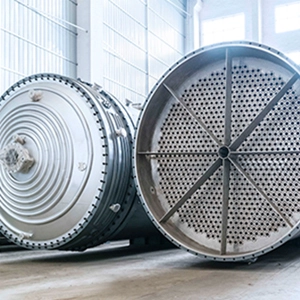
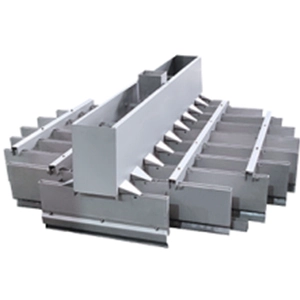
وتشمل قدراتها هندسة التفاعلات وهندسة عمليات البوليمرات، وعمليات الفصل والتنقية، والتبخير، ومفاعلات البلمرة، وإزالة المركبات المتطايرة، والخلط عالي اللزوجة ونقل الحرارة، والمعالجة المستمرة، وتكامل العمليات.
تتناول هذه القدرات علاقة تصنيعية أساسية في جيش التحرير الشعبي الصيني:
جودة المواد الأولية → نقاء حمض اللاكتيك → جودة اللاكتيد → التحكم في عملية البلمرة → إزالة المركبات المتطايرة → اتساق البولي لاكتيد (PLA)
يتطلب توسيع نطاق هذا النظام أكثر من مجرد زيادة حجم معدات المختبر. فهندسة المفاعل، ونقل الحرارة والكتلة، والخلط، وتوزيع زمن البقاء، وسلوك الشوائب، وعملية الفصل في المراحل اللاحقة — كلها تتغير مع تغير النطاق.
دودجن ولذلك فإن هذا الأمر يكتسب أهمية قصوى بالنسبة للمصانع الجديدة التابعة لجيش التحرير الشعبي الصيني، والأنظمة التجريبية والتوضيحية، وتطوير خطوط الإنتاج، وتحسين العمليات، وتوسيع الطاقة الإنتاجية حيث إن الإنتاج الصناعي المستقر — وليس الجدوى المختبرية — هو الهدف الهندسي النهائي.
الأفضل لـ: الشركات التي تعمل على تطوير إنتاج البولي لاكتيد (PLA) أو توسيع نطاقه، بدلاً من شراء الراتنج الجاهز.
7. شركة كوفكو للتكنولوجيا الحيوية

الموقع الإلكتروني: www.cofcotech.com
نقطة تذكيرية هندسية: تكامل المواد الخام الزراعية
تجمع شركة «كوفكو للتكنولوجيا الحيوية» بين التصنيع الزراعي، والتخمير، والتكنولوجيا الحيوية الصناعية، والمواد ذات الأساس الحيوي.
ويكمن تميّزها ضمن سلسلة القيمة الخاصة بشركة PLA في ارتباطها بمواد خام زراعية واسعة النطاق وبالبنية التحتية لمعالجة الكتلة الحيوية، وليس في تعديل البوليمرات المتخصصة.
الأفضل لـ: المشاريع التي يُعد فيها دمج المواد الخام الزراعية والبنية التحتية للتصنيع الحيوي من العناصر المهمة.
8. شركة «هينان جيندان لتكنولوجيا حمض اللاكتيك»

الموقع الإلكتروني: www.jindanlactic.com
نقطة تذكيرية هندسية: قوة حمض اللاكتيك في المراحل الأولية
قامت شركة «هينان جيندان» ببناء قاعدتها الصناعية حول حمض اللاكتيك المستخرج عن طريق التخمير ومشتقاته ذات الصلة، مما جعلها تحتل موقعًا مهمًا في المرحلة الأولية من سلسلة القيمة الخاصة بـ«PLA».
ويمكن تلخيص أهميتها على النحو التالي:
التخمير → حمض اللاكتيك → التنقية → اللاكتيد → PLA
يمكن أن تؤثر نقاوة حمض اللاكتيك وتركيبته البصرية على جودة اللاكتيد وسلوك البلمرة اللاحق.
الأفضل لـ: المشاريع التي تركز على إنتاج حمض اللاكتيك وتكامل البولي لاكتيد (PLA) في المراحل الأولية من التصنيع.
9. يونيتيكا

الموقع الإلكتروني: www.unitika.co.jp
مواد جيش التحرير الشعبي الصيني: TERRAMAC®
نقطة تذكيرية هندسية: تعديل وتجهيز PLA
تتبع شركة «يونيتيكا» نهجًا قائمًا على تعديل البوليمرات وفقًا للاستخدامات المحددة. وتستهدف موادها «TERRAMAC®» خصائص مثل مقاومة الحرارة، وأداء الصدمات، والمرونة، والصلابة، وقابلية المعالجة.
وبالتالي، فإن قوتها لا تكمن في حجم إنتاج PLA بكميات ضخمة، بل تعديل المواد لتحسين الأداء في المراحل اللاحقة.
الأفضل لـ: الشركات المتخصصة في التصنيع ومطورو المنتجات الذين يحتاجون إلى مواد PLA معدلة.
10. تيجين فرونتير

الموقع الإلكتروني: www2.teijin-frontier.com
مواد جيش التحرير الشعبي الصيني: BIOFRONT®
نقطة تذكيرية هندسية: البولي لاكتيد (PLA) الوظيفي المتخصص
تمثل شركة «تيجين فرونتير» قطاع المواد المتخصصة في سوق البولي لاكتيد (PLA). وتستهدف علامة «BIOFRONT®» التطبيقات الوظيفية في مختلف المنتجات المقولبة، والأغشية، والألواح، والرغوات، والألياف، والأقمشة غير المنسوجة.
ما يميزه هو الوظائف المتخصصة لجيش التحرير الشعبي الصيني بدلاً من نطاق الإنتاج السلعي.
الأفضل لـ: التطبيقات التي تتطلب مواد PLA وظيفية تتجاوز خصائص الراتنج التقليدي.
كيف يتم تصنيع مادة PLA الصناعية
عادةً ما يتم إنتاج PLA الصناعي على النحو التالي:
المواد الخام المتجددة → التخمير → حمض اللاكتيك → التنقية → اللاكتيد → البلمرة بفتح الحلقة → إزالة المركبات المتطايرة → تكوير الحبيبات
تؤثر كل مرحلة على جودة الراتنج النهائية.
يمكن أن تؤثر المياه والتركيب الفراغي والشوائب الأخرى على تكوين اللاكتيد، وسلوك المحفز، والوزن الجزيئي، واللون، والاستقرار الحراري. ولذلك، تتطلب عملية البلمرة التحكم في درجة الحرارة، وظروف المحفز، ووقت البقاء، ومعدل التحويل، والتاريخ الحراري.
مع ارتفاع لزوجة البوليمر، تزداد صعوبة عمليات الخلط ونقل الحرارة. ولذلك، يجب إزالة المونومر المتبقي والمكونات المتطايرة من خلال عملية إزالة التطاير الفعالة.
وبالتالي، فإن سلسلة الجودة الشاملة هي:
جودة المواد الأولية → نقاء حمض اللاكتيك → جودة اللاكتيد → التحكم في عملية البلمرة → إزالة المركبات المتطايرة → اتساق البولي لاكتيد (PLA)
لماذا يصبح التصنيع باستخدام تقنية PLA أكثر صعوبة على النطاق الصناعي؟
التحدي الرئيسي في توسيع نطاق العمل هو:
الجدوى المختبرية ≠ الاستقرار في المرحلة التجريبية ≠ قابلية التكرار التجاري
تؤدي المعدات الأكبر حجمًا إلى تغييرات في نقل الحرارة، والخلط، وتوزيع زمن البقاء، وأحمال الفصل، وسلوك التحكم في العملية. ويمكن أن تؤدي اللزوجة العالية للبوليمر إلى مزيد من انخفاض كفاءة نقل الحرارة والخلط، في حين قد تصبح الشوائب النزرة أكثر أهمية أثناء التشغيل لفترات طويلة.
ومن المسارات النموذجية للتصنيع ما يلي:
التطوير المختبري → التحقق التجريبي → هندسة التوسع → تكامل العمليات → التصنيع على نطاق واسع
لذلك، ينبغي أن توفر العملية التجريبية بيانات حول سلوك التفاعل، ونقل الحرارة والكتلة، والتنقية، وإزالة المركبات المتطايرة، وإمكانية التحكم في العملية — وليس مجرد إثبات إمكانية إنتاج حمض اللاكتيك (PLA).
الهدف النهائي هو تحقيق استقرار في الوزن الجزيئي، والمونومر المتبقي، واللون، والأداء الحراري على مدار فترة إنتاج مستمرة.
كيفية اختيار الشركة المصنعة المناسبة لمادة PLA
ينبغي أن يبدأ اختيار المورد بالتطبيق النهائي.
تفرض كل من الأغشية، والتشكيل الحراري، والقولبة بالحقن، والألياف، والبثق، والقولبة بالنفخ، والرغوة، والطباعة ثلاثية الأبعاد متطلبات مختلفة فيما يتعلق بالوزن الجزيئي، وسلوك المادة المنصهرة، والتبلور، ومقاومة الحرارة، والمتانة، والمواد المضافة.
كما أن التوافق في المعالجة لا يقل أهمية. فالرطوبة، وظروف التجفيف، ودرجة الحرارة، ومدة البقاء، والتحلل الحراري، وسلوك التبلور، كلها عوامل يمكن أن تؤثر على استقرار الإنتاج.
بعد التأكد من الأهلية الفنية، ينبغي على المشترين تقييم اتساق الدُفعات، والوثائق، والقدرة الإنتاجية، ومدة التسليم، والخدمات اللوجستية، واستمرارية الجودة، والدعم الفني.
سلسلة الاختيار النهائية هي:
التطبيق → الخصائص المطلوبة → فئة PLA → نطاق المعالجة → اتساق الجودة → حجم التوريد → الشركة المصنعة
أربعة مخاطر شائعة في عملية التوريد وتوسيع نطاق إنتاج البولي لاكتيد (PLA)
- الاختيار بناءً على السعر وحده: يمكن أن تُقابل انخفاض تكلفة الراتنج كل من النفايات، أو عدم استقرار أوقات الدورات، أو ضيق نطاق المعالجة.
- معاملة جميع درجات PLA على أنها متكافئة: يمكن أن يؤدي الوزن الجزيئي، والكيمياء الفراغية، والتبلور، والتعديل إلى تغيير سلوك المعالجة بشكل كبير.
- تجاهل الرطوبة والتاريخ الحراري: قد يؤدي التجفيف غير الكافي أو طول مدة البقاء في الحوض إلى تسريع تحلل البوليمر.
- تطبيق ظروف المختبر مباشرةً: يتغير سلوك عمليات نقل الحرارة، والخلط، والفصل، والتحكم في العمليات مع تغير حجم المعدات.
المفاضلات الرئيسية في مجال التصنيع في جيش التحرير الشعبي الصيني
| الاختيار الهندسي | الفائدة المحتملة | المفاضلة |
|---|---|---|
| نقاء أعلى | اتساق أفضل في عملية البلمرة | مطالبة بزيادة التباعد |
| وزن جزيئي أعلى | تحسين الأداء الميكانيكي | معالجة أكثر تعقيدًا |
| درجة بلورة أعلى | مقاومة أفضل للحرارة | تحكم أكثر دقة في عملية التبلور |
| المعالجة المستمرة | إمكانية تحقيق إنتاجية أعلى ومستوى أعلى من الاتساق | متطلبات أكبر في مجال التحكم في العمليات |
| التكامل الرأسي | تحسين التحكم في سلسلة التوريد | المزيد من واجهات العمليات |
| سعة أكبر | قدرة أكبر على توسيع نطاق العرض | لا يضمن ملاءمة الدرجة |
لا يوجد منتج واحد من مادة PLA أو طريقة تصنيع واحدة تعتبر الأمثل لكل مشروع. فالاختيار الصحيح يعتمد على القيود التقنية التي لها التأثير الأكبر على التطبيق النهائي.
الخاتمة
ينبغي أن يبدأ اختيار الشركة المصنعة لـ PLA بما يلي:
التطبيق → الدرجة → المعالجة → التماسك → التوريد
تحتل شركات «ناتشر ووركس» و«توتال إنرجيز كوربيون» و«فوتيرو» و«هيسون» و«بي بي سي إيه» وموردون آخرون مواقع مختلفة في مجالات إنتاج الراتنجات على نطاق واسع، والتكامل الرأسي، والمواد الخام الأولية، والمواد المتخصصة.
أما بالنسبة للشركات التي تخطط لإنتاج مادة PLA بنفسها، فإن القرار يختلف:
التحقق من صحة العملية → التوسع → التنقية → التكامل → الإنتاج المستقر
لا يكمن التحدي في مجرد إنتاج البوليمر فحسب، بل في بناء عملية متكاملة قادرة على تحقيق الجودة المطلوبة على نطاق صناعي. دودجن تدعم هذه المرحلة من خلال هندسة العمليات، والتحقق التجريبي، والتنقية، ومعالجة البوليمرات، وإزالة المركبات المتطايرة، وهندسة التوسع.
الأسئلة الشائعة
من هم أبرز مصنعي PLA؟
ومن بين الشركات الرائدة في إنتاج البولي لاكتيد (PLA) كل من NatureWorks وTotalEnergies Corbion وFuterro وZhejiang Hisun Biomaterials وAnhui BBCA Biochemical. وهناك شركات أخرى متخصصة في المواد الخام الأولية، أو البولي لاكتيد المعدل، أو المواد الوظيفية، لذا فإن اختيار المورد المناسب يعتمد على الاستخدام والدرجة المطلوبة.
ما الذي يحدد جودة راتنج PLA؟
ومن بين العوامل المهمة: نقاء حمض اللاكتيك واللاكتيد، والتركيب الفراغي الكيميائي، والتحكم في عملية البلمرة، وتوزيع الوزن الجزيئي، والمونومر المتبقي، والتاريخ الحراري، وإزالة المركبات المتطايرة. ويتطلب الإنتاج الصناعي المتسق أن تظل هذه المتغيرات خاضعة للرقابة على مدار مراحل الإنتاج المختلفة.
لماذا يصعب توسيع نطاق إنتاج البولي لاكتيد (PLA) من المرحلة المختبرية إلى الإنتاج الصناعي؟
يؤثر التغيير في الحجم على هندسة المفاعل، ونقل الحرارة، والخلط، وتوزيع زمن البقاء، وأحمال الفصل، وديناميات التحكم في العملية. ولذلك، يجب ترجمة التفاعل المختبري الناجح إلى نظام إنتاج متكامل قادر على الحفاظ على مواصفات ثابتة للراتنج.
ما الفرق بين شراء مادة PLA وبناء طاقة إنتاجية لهذه المادة؟
يقوم المشترون من جيش التحرير الشعبي الصيني في المقام الأول بتقييم الدرجة، والتوافق في المعالجة، والاتساق، والإمداد. كما يتعين على الشركات التي تعمل على بناء قدراتها الإنتاجية أن تُقيِّم أيضًا هندسة التفاعلات، والتنقية، وتوسيع نطاق الإنتاج، وإزالة المركبات المتطايرة، وتكامل العمليات، واستقرار التشغيل على المدى الطويل.