التعريف
البلمرة بالكتلة, ، والمعروف أيضًا باسم البلمرة الجماعية, ، هي عملية لإنتاج البوليمرات يتم فيها يتبلمر المونومر دون إضافة مذيبات أو وسائط تشتت. تحت تأثير الحرارة أو الضوء أو الإشعاع أو المحفزات الكيميائية، يخضع المونومر لعملية بلمرة مباشرة لتكوين البوليمر المطلوب.
اعتمادًا على قابلية الذوبان المتبادل بين المونومر والبوليمر الناتج، قد تتم عملية البلمرة الحجمية إما على شكل متجانس أو غير متجانس النظام أثناء التفاعل.
المبادئ الأساسية
تتمثل السمة المميزة للبلمرة الحجمية في بساطة نظام التفاعل الخاص بها. ونظرًا لأن خليط التفاعل يتألف أساسًا من المونومر وسلاسل البوليمر المتنامية، فإن المنتج النهائي يحتوي عمومًا على شوائب قليلة جدًّا ولا يتطلب سوى الحد الأدنى من عمليات الفصل اللاحقة.
ومع تقدم عملية البلمرة، يزداد لزوجة خليط التفاعل بشكل متزايد. ويؤدي هذا التغير في اللزوجة إلى انخفاض كفاءة نقل الحرارة، كما يزيد من صعوبة التخلص من الحرارة الناتجة عن التفاعل، مما يستلزم التحكم الدقيق في ظروف التفاعل.
المزايا
تقدم البلمرة السائبة عدة مزايا مهمة:
- نقاء عالٍ للمنتج بفضل خلوّه من المذيبات
- تكوين بسيط للعملية
- الحد الأدنى من عمليات المعالجة اللاحقة واستعادة المذيبات
- مناسبة لإنتاج بوليمرات شفافة وعالية الأداء
- انخفاض خطر التلوث بالمذيبات
تجعل هذه المزايا هذه العملية جذابة للتطبيقات التي تكتسب فيها نقاء المنتج والجودة البصرية أهمية كبيرة.
القيود
على الرغم من بساطتها، فإن البلمرة الحجمية تنطوي على العديد من التحديات الهندسية.
مع زيادة اللزوجة أثناء عملية البلمرة، يصبح تبديد الحرارة أكثر صعوبة، مما يزيد من احتمال حدوث ارتفاع موضعي في درجة الحرارة وتفاوت في ظروف التفاعل. وقد تؤدي هذه العوامل إلى:
- معدلات تفاعل أبطأ
- توزيع غير منتظم للوزن الجزيئي
- تحكم أكثر دقة في درجة الحرارة
- انخفاض كفاءة الخلط عند معدلات تحويل عالية
ولذلك، فإن التصميم الفعال للمفاعل وعملية التبريد الفعالة أمران بالغا الأهمية للحفاظ على جودة منتج مستقرة.
التطبيقات الصناعية
يُستخدم البلمرة السائبة على نطاق واسع لتصنيع البوليمرات التي تتطلب درجة عالية من الوضوح البصري أو درجة عالية من النقاء.
ومن بين المنتجات النموذجية ما يلي:
- البوليستيرين (PS)
- بولي ميثيل ميثاكريلات (PMMA أو الأكريليك)
- مواد بوليمرية ذات جودة بصرية
- البلاستيك الهندسي المتخصص
ونظرًا لعدم الحاجة إلى خطوة إزالة المذيبات، فإن البلمرة السائبة مناسبة بشكل خاص للمنتجات التي يتعين فيها تقليل الشوائب المتبقية إلى أدنى حد ممكن.
الاعتبارات الهندسية
بالنسبة لمهندسي العمليات، يتمثل التحدي الرئيسي في عملية البلمرة السائبة في تحقيق التوازن بين كفاءة التفاعل وإزالة الحرارة.
مع ارتفاع اللزوجة خلال التفاعل، تقل فعالية طرق الخلط التقليدية. ولذلك، فإن اختيار المفاعل، وأداء نقل الحرارة، والتحكم في درجة الحرارة تلعب دوراً هاماً في تحقيق جودة ثابتة للبوليمر.
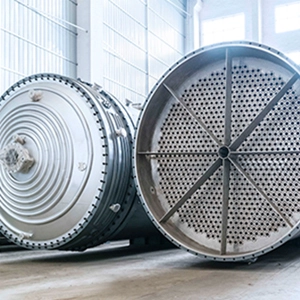
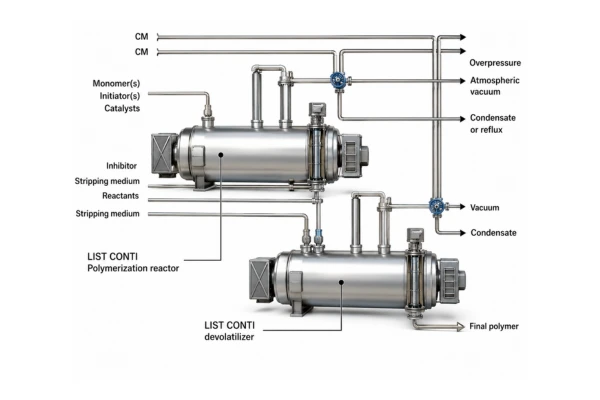
تستخدم العديد من منشآت إنتاج البوليمرات الحديثة معدات متخصصة مفاعلات البلمرة, ، فعال المبادلات الحرارية, ، وتقنيات العمليات المستمرة لتحسين التحكم في درجة الحرارة وتقليل مخاطر الانفلات الحراري أثناء البلمرة عالية التحويل.
المصطلحات ذات الصلة
- البلمرة
- البلمرة بالحلول
- البلمرة المعلقة
- البلمرة بالمستحلب
- مفاعل البلمرة
- مبادل حراري
- مفاعل التدفق المستمر