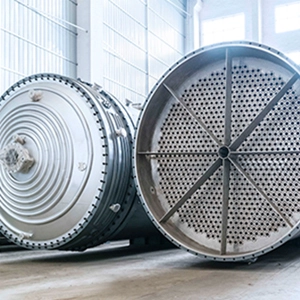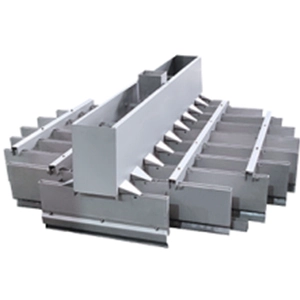
Definition
A heat exchanger is a device used to transfer thermal energy between two fluids in order to achieve heating, cooling, condensation, or vaporization. In most heat exchangers, the fluids are separated by a solid wall or heat-transfer surface, allowing heat to pass from one fluid to the other without direct mixing.
Some designs, however, permit direct contact between fluids to accomplish heat exchange.
Heat exchangers are among the most widely used process equipment in chemical plants, petroleum refining facilities, power generation systems, refrigeration units, and industrial manufacturing processes.
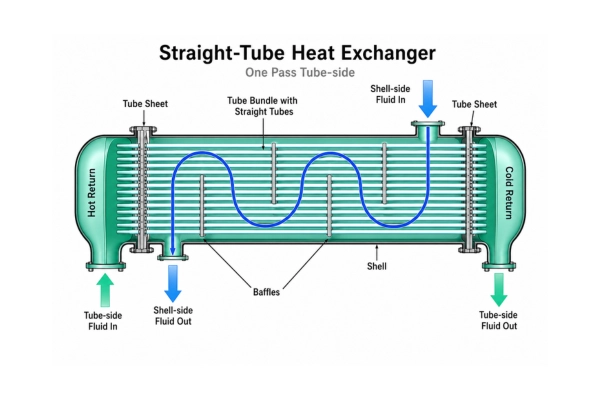
Basic Working Principle
The primary function of a heat exchanger is to transfer heat from a higher-temperature fluid to a lower-temperature fluid.
Depending on the operating principle, heat exchangers are commonly classified into:
- Surface (Indirect Contact) Heat Exchangers
- Regenerative Heat Exchangers
- Direct Contact Heat Exchangers
Among these, indirect-contact designs are the most common in industrial process applications because they allow efficient heat transfer while preventing contamination between process streams.
Common Types of Heat Exchangers
Heat exchangers may be classified according to their intended function:
- Coolers
- Heaters
- Condensers
- Vaporizers
They may also be classified according to construction and heat-transfer surface design.
Common examples include:
- Shell-and-Tube Heat Exchangers
- Plate Heat Exchangers
Shell-and-tube units are widely used in chemical processing because of their robustness and ability to handle high temperatures and pressures. Plate heat exchangers are often selected where compact design and high heat-transfer efficiency are required.
Industrial Applications
Heat exchangers play a critical role in industrial process systems.
Typical applications include:
Chemical Processing
Used for feed preheating, reactor temperature control, solvent recovery, and product cooling.
Petrochemical Operations
Applied in refining, distillation, and hydrocarbon processing systems where large amounts of thermal energy must be transferred efficiently.
Refrigeration and Cooling Systems
Used to remove heat from process streams and maintain stable operating conditions.
Energy Recovery
Heat exchangers are frequently installed to recover waste heat and improve overall energy efficiency.
Engineering Considerations
When selecting a heat exchanger, engineers typically evaluate:
- Heat-transfer requirements
- Operating temperature and pressure
- Fluid properties
- Fouling tendency
- Corrosion resistance
- Maintenance accessibility
Proper equipment selection can significantly influence process efficiency, operating costs, and long-term reliability.
In chemical plants, heat integration strategies often rely on efficient heat exchanger networks to reduce energy consumption and improve process economics.
Related Terms
- Heat Transfer
- Condenser
- Vaporizer
- Reactor Cooling
- Process Integration