Definition
Silane, also known as silicon hydride, refers to a family of compounds composed of silicon and hydrogen. Similar to hydrocarbons, silanes form a homologous series with the general formula SiₙH₂ₙ₊₂.
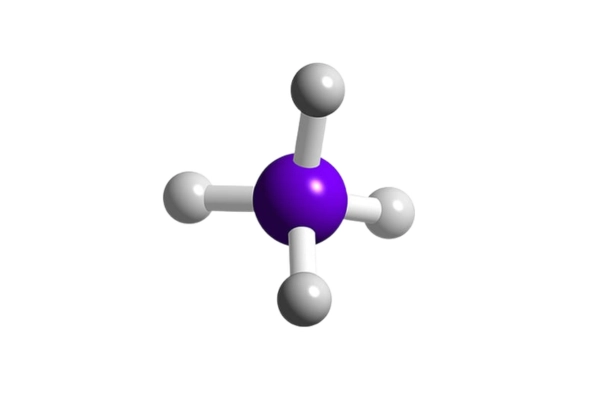
The simplest and most important member of this family is monosilane (SiH₄), a colorless gas that serves as the foundation for many silicon-containing materials and chemical processes.
Physical and Chemical Properties
Compared with hydrocarbons, silanes are significantly more reactive. They are easily oxidized and may ignite spontaneously when exposed to air.
Key chemical characteristics include:
- High chemical reactivity
- Rapid oxidation in the presence of oxygen
- Possible spontaneous ignition in air
- Hydrolysis to form silicates and hydrogen
- Thermal decomposition into silicon and hydrogen
These properties make silane both valuable as a chemical intermediate and challenging to handle safely in industrial environments.
Common Silane Compounds
The silane family includes several compounds with increasing numbers of silicon atoms:
| Compound | Formula |
|---|---|
| Monosilane | SiH₄ |
| Disilane | Si₂H₆ |
| Trisilane | Si₃H₈ |
| Tetrasilane | Si₄H₁₀ |
As the molecular structure becomes larger, physical properties such as boiling point and density also change.
Industrial Significance
Although silane itself is not commonly used as a bulk commodity chemical, it is an important intermediate in silicon chemistry.
Historically, silanes have been used as precursors in the production of silicon-containing materials, including polysiloxanes and other organosilicon compounds.
In modern industry, high-purity silane has become particularly important in semiconductor manufacturing, photovoltaic materials, and electronic-grade silicon production, where controlled decomposition of silane can produce highly pure silicon deposits.
Production Methods
Industrial silane is commonly produced from silicon chlorides. One traditional preparation method involves the reduction of chlorinated silicon compounds, such as silicon tetrachloride, using strong reducing agents.
The choice of production route depends on required purity, scale, safety considerations, and downstream application requirements.
Safety Considerations
Due to its high reactivity, silane requires careful handling.
Because it can ignite spontaneously in air, industrial facilities typically employ controlled storage conditions, leak prevention measures, and gas monitoring systems. Proper process design and operating procedures are essential to minimize safety risks during production, transportation, and use.
Related Terms
- Silicon Tetrachloride (SiCl₄)
- Trichlorosilane (SiHCl₃)
- Polysilicon
- Polysiloxane
- Organosilicon Compounds