Definition
Hydrocyanic acid (HCN), also known as hydrogen cyanide, is a colorless, highly volatile chemical compound composed of hydrogen, carbon, and nitrogen. It is one of the most important industrial cyanide chemicals and serves as a key intermediate in the manufacture of numerous chemical products.
At room temperature, hydrogen cyanide exists as a liquid or gas depending on temperature and pressure conditions. Due to its high toxicity and reactivity, HCN requires strict process control during production, storage, transportation, and use.
Physical and Chemical Properties
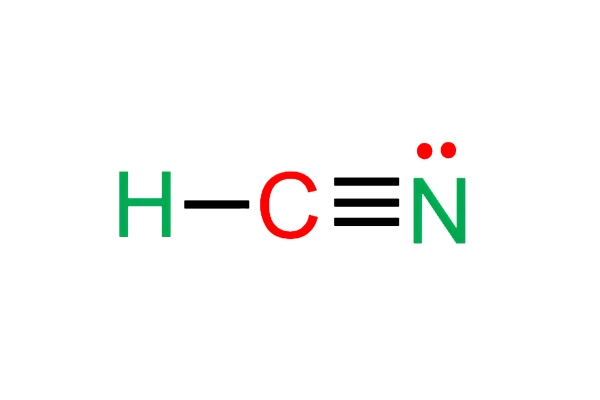
Hydrocyanic acid has a molecular weight of 27.03 and exhibits significant volatility.
Key properties include:
- Molecular formula: HCN
- Molecular weight: 27.03
- Density: 0.697 g/cm³ (18°C)
- Melting point: -13.2°C
- Boiling point: 25.7°C
- Flash point: -18°C
HCN is readily soluble in water and can also dissolve in organic solvents such as ethanol, ether, and benzene.
Chemically, hydrocyanic acid is a weak acid. Its aqueous solutions may slowly hydrolyze, while exposure to light, elevated temperatures, or alkaline conditions can promote polymerization and decomposition reactions.
Toxicity and Safety Considerations
Hydrocyanic acid is an extremely toxic substance and represents one of the most significant safety concerns in chemical manufacturing.
Because of its volatility, inhalation is the primary route of exposure. Acute exposure can interfere with cellular respiration, preventing tissues from effectively utilizing oxygen.
Common symptoms of cyanide poisoning may include:
- Headache
- Dizziness
- Nausea
- Vomiting
- Breathing difficulty
- Increased heart rate
- Loss of consciousness in severe cases
Industrial facilities handling HCN typically employ:
- Continuous gas monitoring systems
- Closed-process equipment
- Emergency ventilation systems
- Leak detection technology
- Strict operating procedures
Process safety is a critical aspect of any hydrogen cyanide production or handling facility.
Industrial Applications
Hydrogen cyanide is an important feedstock for numerous chemical manufacturing processes.
Major applications include the production of:
- Acrylonitrile
- Synthetic fibers
- Engineering plastics
- Agricultural chemicals
- Organic glass materials
- Cyanide derivatives
Many downstream products used in textiles, plastics, coatings, and specialty chemicals originate from HCN-based production chains.
Because of its role as a key intermediate, hydrogen cyanide remains an essential building block within the chemical industry.
Production Methods
Commercial hydrogen cyanide is commonly produced through catalytic reactions involving methane, ammonia, and oxygen.
A simplified production route is:
Methane
+
Ammonia
+
Oxygen
↓
Catalytic Oxidation
↓
Hydrogen Cyanide
↓
Cooling and Purification
After synthesis, crude hydrogen cyanide typically undergoes cooling, separation, and purification before storage or downstream use.
Due to its instability and toxicity, production systems are designed to minimize residence time, control temperature, and reduce opportunities for unwanted side reactions.
Related Terms
- Sodium Cyanide (NaCN)
- Acrylonitrile
- Cyanide Chemistry
- Catalytic Oxidation
- Gas-Liquid Separation
- Process Safety