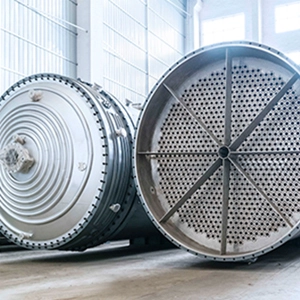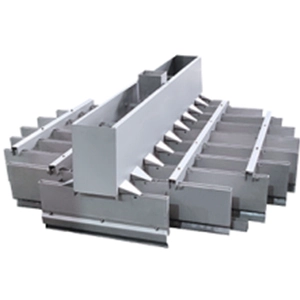
Definition
Extraction is a separation process used to isolate one or more components from a mixture by taking advantage of differences in their solubility in a selected solvent.
In chemical engineering, extraction is commonly employed when conventional separation methods such as distillation are ineffective, uneconomical, or unable to achieve the required level of purity. The process transfers a target substance from one phase into another phase where it is more soluble, allowing the desired component to be separated from the original mixture.
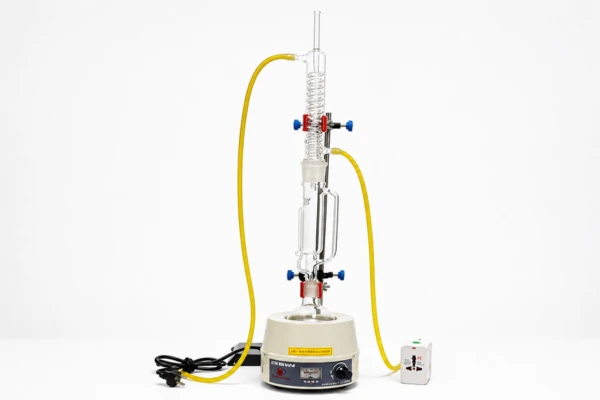
Basic Principle
The effectiveness of extraction depends on the distribution of a substance between two phases.
When a mixture comes into contact with a suitable solvent, the target compound preferentially dissolves into the extraction solvent according to its solubility characteristics. Once equilibrium is reached, the two phases can be separated, resulting in enrichment or recovery of the desired component.
This principle is often described by partition theory and distribution equilibrium.
Common Types of Extraction
Several extraction techniques are used in laboratory and industrial applications.
Liquid-Liquid Extraction
Liquid-liquid extraction uses two immiscible liquid phases, typically an aqueous phase and an organic solvent phase. The target compound transfers from one liquid phase into the other based on its relative solubility.
This is one of the most widely used extraction methods in chemical processing industries.
Solid-Liquid Extraction
Solid-liquid extraction removes soluble compounds from solid materials using a liquid solvent.
Common examples include:
- Tea brewing
- Coffee extraction
- Natural product extraction
- Pharmaceutical processing
Supercritical Fluid Extraction
Supercritical fluid extraction utilizes fluids above their critical temperature and pressure, most commonly carbon dioxide.
The technique is valued for its high selectivity and reduced solvent residue.
Industrial Applications
Extraction is widely used across many industries.
Typical applications include:
- Pharmaceutical manufacturing
- Petrochemical processing
- Fine chemical production
- Food and beverage processing
- Natural product recovery
- Battery material purification
In many processes, extraction provides an effective alternative when components have similar boiling points or are sensitive to heat, making distillation less practical.
Engineering Considerations
Several factors influence extraction performance:
- Solvent selection
- Solubility differences
- Phase equilibrium
- Mass transfer efficiency
- Temperature
- Mixing intensity
An ideal extraction solvent should provide high selectivity, low toxicity, good recovery characteristics, and acceptable operating costs.
Engineers must also consider solvent regeneration, environmental requirements, and downstream purification when designing an extraction process.
Industrial Equipment
At industrial scale, extraction is commonly performed using dedicated extraction equipment designed to maximize contact between phases while maintaining efficient separation.
Examples include:
- Extraction Towers
- Mixer-Settlers
- Centrifugal Extractors
- Continuous Extraction Systems
Among these technologies, extraction towers are widely used in continuous chemical production because they provide efficient mass transfer and stable operation.
Related Terms
- Extraction Tower
- Mass Transfer
- Solvent Recovery
- Distillation
- Liquid-Liquid Extraction