
Definition
Colorimetry is an analytical technique used to determine the concentration of a substance in a solution by measuring the intensity of its color.
It is based on the principle that colored compounds absorb specific wavelengths of light, and the amount of light absorbed is proportional to the concentration of the analyte in the sample.
In chemical and industrial analysis, colorimetry is widely used as a simple, fast, and cost-effective quantitative measurement method.
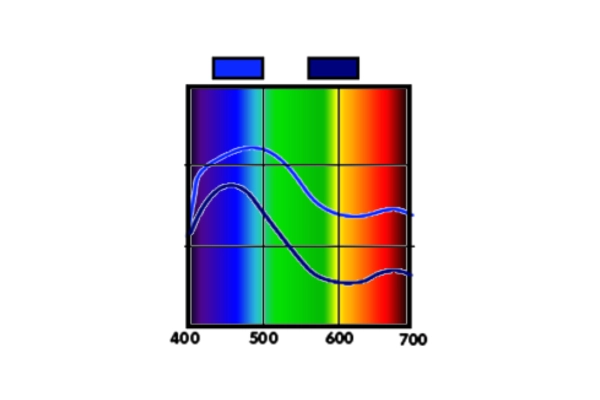
Principle of Colorimetric Analysis
The fundamental principle of colorimetry is based on the interaction between light and colored chemical species.
When a beam of light passes through a colored solution:
- Part of the light is absorbed by the solution
- The remaining light is transmitted
- The intensity of transmitted light is measured
The concentration of the substance is determined by comparing the measured absorbance with a standard calibration curve prepared from known concentrations.
This relationship is commonly described by the Beer-Lambert Law:
Absorbance is directly proportional to concentration and path length.
Industrial Applications
Colorimetry is widely used in chemical engineering, environmental monitoring, and industrial quality control.
Typical applications include:
- Determination of metal ion concentration (Fe³⁺, Cu²⁺, Cr³⁺)
- Water quality analysis
- Chemical process monitoring
- Pharmaceutical quality control
- Food and beverage analysis
- Environmental pollution testing
In industrial systems, colorimetry provides rapid feedback for process control and product quality assurance.
Process Engineering Considerations
From a chemical engineering perspective, colorimetric analysis is influenced by several critical factors:
Sample Preparation
Proper sample treatment is required to eliminate interference from suspended particles or impurities that may affect light absorption.
Calibration Accuracy
Reliable quantitative results depend on accurate calibration curves prepared from standard solutions.
Interference Effects
Other colored species or turbidity in the solution may distort absorbance readings, requiring correction or separation steps.
Instrument Stability
Consistent light source intensity and detector sensitivity are essential for reproducible measurements.
Industrial Use in Process Systems
In modern industrial plants, colorimetry is often integrated into process analytical technology (PAT) systems for real-time monitoring.
It can be applied to:
- Inline process monitoring
- Quality control during production
- Rapid detection of chemical composition changes
- Batch process verification
Because of its simplicity and speed, colorimetry is especially useful in large-scale chemical production environments where continuous monitoring is required.
Industrial Significance
Colorimetric analysis plays an important role in maintaining product quality and process stability in chemical manufacturing systems.
It enables:
- Fast decision-making in process control
- Reduction of production variability
- Cost-effective analytical testing
- Early detection of process deviations
Although more advanced analytical techniques exist (such as spectroscopy and chromatography), colorimetry remains widely used due to its simplicity and operational efficiency.
Related Terms
- Spectrophotometry
- Beer-Lambert Law
- Process Analytical Technology (PAT)
- UV-Vis Analysis
- Chemical Concentration Measurement
- Analytical Chemistry Methods