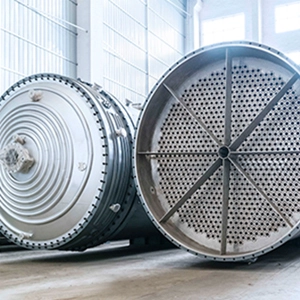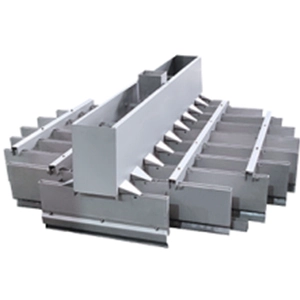
Definition
A reboiler is a heating device used to vaporize liquid at the bottom of a distillation column. Also known as a bottom heater, it provides the thermal energy required to generate vapor, which rises through the column and supports the separation process.
Reboilers are typically installed either directly at the base of a distillation tower or externally and connected to the column through circulation piping.
How a Reboiler Works
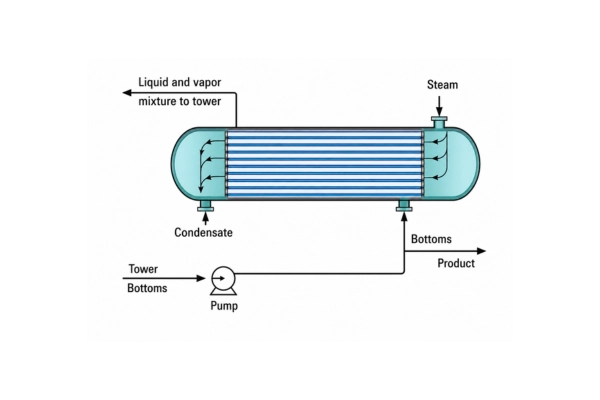
During distillation, liquid accumulates in the bottom section of the column. The reboiler transfers heat to this liquid, causing part of it to vaporize.
The generated vapor flows upward through the column, contacting descending liquid on trays or packings. This vapor-liquid interaction enables mass transfer and ultimately achieves component separation based on differences in volatility.
The remaining liquid that is not vaporized is withdrawn as the column bottoms product.
Common Reboiler Types
Several reboiler configurations are commonly used in industrial separation systems.
Kettle Reboiler
A kettle reboiler contains a liquid reservoir where boiling occurs. It is widely used because of its stable operation and ability to handle relatively large liquid inventories.
Thermosyphon Reboiler
A thermosyphon reboiler relies on natural circulation created by density differences between hot and cold fluids. It is commonly used in large-scale chemical and petrochemical facilities due to its simple design and energy efficiency.
Forced Circulation Reboiler
This design uses pumps to circulate liquid through the heating system. It is often selected for viscous fluids or applications where fouling may occur.
Industrial Applications
Reboilers are essential components in many separation processes, including:
- Distillation columns
- Reactive distillation systems
- Solvent recovery units
- Petrochemical separation processes
- Chemical purification systems
Because the reboiler supplies the heat that drives vapor generation, its performance directly influences separation efficiency, product purity, and energy consumption.
Engineering Considerations
Engineers typically evaluate several factors when selecting a reboiler:
- Required heat duty
- Operating pressure and temperature
- Fluid properties
- Fouling tendency
- Energy efficiency
- Maintenance requirements
An undersized reboiler may limit column capacity, while an oversized unit can increase capital cost and operating expenses.
The selection of heating media, such as steam, hot oil, or other thermal fluids, is also an important design consideration.
Industrial Significance
In many distillation systems, the reboiler is one of the largest energy consumers within the process. As a result, reboiler design and operation play a critical role in process economics and energy optimization.
Proper integration between the reboiler and distillation column helps maintain stable operation, improve separation performance, and reduce overall utility consumption.
Related Terms
- Distillation Column
- Condenser
- Relative Volatility
- Structured Packing
- Reactive Distillation