Definition
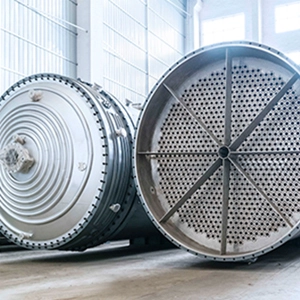
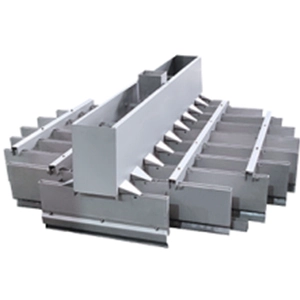
A gas distributor is a device used in gas-liquid or gas-solid separation and reaction equipment to distribute gas evenly across a process vessel.
Its primary function is to ensure that gas enters the equipment at a uniform velocity and contacts the liquid or solid phase as evenly as possible. Proper gas distribution is essential for achieving efficient mass transfer, reaction performance, and overall process stability.
Gas distributors are commonly installed at the bottom of packed columns, absorption towers, extraction systems, and various chemical reactors.
Common Types of Gas Distributors
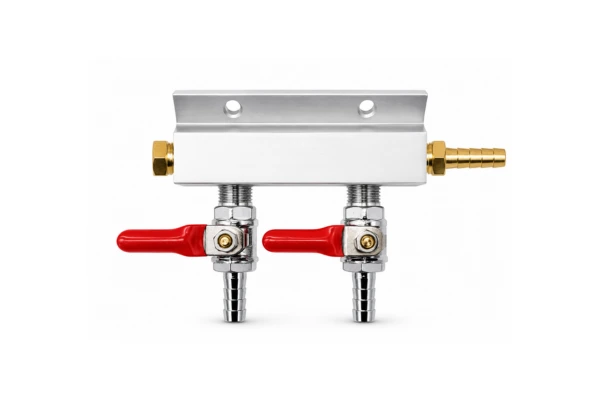
Gas distributors are available in several configurations depending on process requirements and equipment design.
Common types include:
- Bubble-cap distributors
- Mushroom-type distributors
- Perforated plate distributors
- Multi-pipe distributors
Each design provides different gas distribution characteristics and is selected based on operating conditions, pressure drop limitations, and equipment geometry.
Industrial Applications
Gas distributors are widely used in equipment where efficient contact between gas and another phase is required.
Typical applications include:
Packed Columns
In packed towers, gas distributors help ensure uniform gas flow through the packing bed. Poor distribution can lead to channeling, reduced mass transfer efficiency, and lower separation performance.
Absorption Systems
Gas distributors improve contact between gas streams and absorbent liquids, increasing absorption efficiency and process effectiveness.
Gas-Solid Reactors
In gas-solid systems, proper gas distribution helps maintain consistent contact between the gas phase and catalyst or solid particles.
Chemical Processing Equipment
Gas distributors are commonly used in distillation, extraction, stripping, and reaction systems where gas flow uniformity directly affects process performance.
Engineering Considerations
The selection of a gas distributor depends on several important factors.
Engineers typically evaluate:
- Column diameter
- Gas flow rate
- Operating pressure
- Pressure drop requirements
- Packing structure
- Process objectives
For packed columns, the gas distributor design must be compatible with the selected packing. As column diameter increases, maintaining uniform gas distribution becomes increasingly important.
Improper gas distribution may result in:
- Channeling
- Dead zones
- Reduced separation efficiency
- Uneven pressure profiles
- Lower equipment performance
Industrial Significance
Although relatively simple in appearance, a gas distributor plays a critical role in the performance of many separation and reaction systems.
Even high-efficiency structured packing or advanced column internals cannot achieve optimal performance if gas flow enters the column unevenly. For this reason, gas distributors are often considered a key component in tower design and process optimization.
Related Terms
- Structured Packing
- Column Internals
- Packed Column
- Mass Transfer
- Absorption Tower