Definition
Random packing, also known as dumped packing, refers to packing materials that are randomly loaded into a packed tower rather than being installed in a structured arrangement.
These packings create a large gas-liquid contact area inside the column, allowing mass transfer processes such as absorption, distillation, stripping, and extraction to occur efficiently.
Random packing has been widely used in chemical processing, petrochemical production, environmental treatment, and separation operations for many decades.
Common Types of Random Packing
According to shape and structure, random packing can be divided into several categories:
Ring-Type Packing
Common examples include:
- Raschig Ring
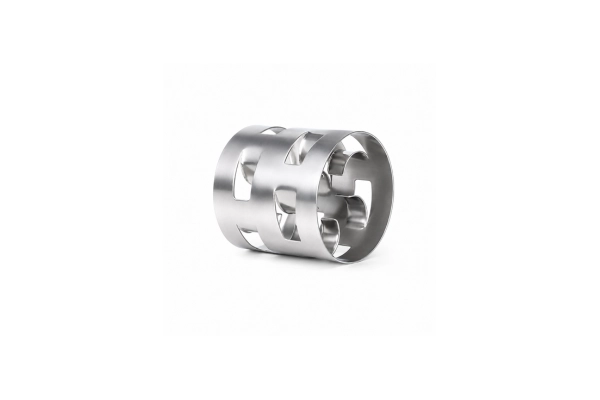
- Pall Ring
- Cascade Ring
These designs provide relatively large surface area and are widely used in industrial separation columns.
Saddle-Type Packing
Common examples include:
- Berl Saddle
- Intalox Saddle
Saddle-shaped packings are designed to improve liquid distribution and reduce pressure drop.
Ring-Saddle Hybrid Packing
Some modern designs combine characteristics of both ring and saddle structures to achieve improved mass transfer performance.
Other Shapes
Additional packing geometries may include:
- Spherical packing
- Grid packing
- Specialized high-efficiency designs
Industrial Applications
Random packing is commonly used in:
- Distillation columns
- Absorption towers
- Stripping columns
- Extraction towers
- Chemical scrubbers
Its primary function is to increase the contact area between gas and liquid phases, thereby improving mass transfer efficiency.
Industrial and Laboratory Packing
According to application, random packing is generally divided into two categories.
Industrial Packing
Industrial packing is typically larger in size and designed for commercial production equipment. It is commonly installed in large towers operating under continuous process conditions.
Laboratory Packing
Laboratory packing is usually smaller and offers higher mass transfer efficiency within compact equipment. It is often used in research, pilot-scale systems, and experimental separation units.
Engineering Considerations
When selecting random packing, engineers typically evaluate:
- Mass transfer efficiency
- Pressure drop
- Fouling tendency
- Mechanical strength
- Corrosion resistance
- Operating capacity
The choice of packing material is also important. Common materials include:
- Metal
- Plastic
- Ceramic
Selection depends on process temperature, chemical compatibility, operating pressure, and maintenance requirements.
Industrial Significance
Although structured packing has become increasingly popular in high-performance separation systems, random packing remains an important solution because of its relatively low cost, simple installation, and broad operating flexibility.
For many absorption, stripping, and general distillation applications, random packing continues to provide a practical balance between performance and investment cost.
Related Terms
- Structured Packing
- Mass Transfer
- Distillation Column
- Absorption Tower
- Column Internals