Introduction to PCL
In the vast universe of synthetic polymer materials, polycaprolactone (PCL) shines like a unique and brilliant star. As a semi-crystalline linear aliphatic polyester, it plays an irreplaceable role in biomedical, controlled drug release, environmentally friendly plastics and high-end additive manufacturing fields, thanks to its excellent biodegradability, biocompatibility, superior flexibility and outstanding drug permeability.
With the growing global demand for sustainable development and high-performance materials, PCL is moving from a “niche” specialty material to a broader market stage. This analysis covers the global market situation, upstream and downstream industrial chain, mainstream synthesis technologies of polycaprolactone, and focuses on the critical monomer devolatilization process in the synthesis workflow.
I. Global Market Situation
Although the global PCL market is not as large as that of bulk plastics, it has a rapid growth momentum and broad prospects. According to estimates by Business Research Insights, the global PCL market was approximately USD 270 million in 2024 and will reach approximately USD 490 million by 2033, with a CAGR of about 6.9%.
Global Polycaprolactone Market Size Forecast (2024-2033)
Unit: 100 Million USD
Market Driving Factors
Environmental Policies
The global upgrading of “plastic ban policies” and the implementation of circular economy policies have created huge substitution space for biodegradable plastics (including PCL and its blends).
Medical Industry Expansion
Population aging, technological progress and the increasing demand for personalized medical care have greatly promoted the application of PCL in surgical sutures, tissue engineering scaffolds, drug sustained-release carriers and other fields.
3D Printing Innovation
PCL’s low melting point, good thermal stability and formability make it an ideal support material in Fused Deposition Modeling (FDM) technology and a cell carrier material in bioprinting, leading to a surge in demand.
II. Upstream & Downstream Industrial Chain
The industrial chain of PCL is clear and tight, and its value multiplies with the refinement of product forms. From petrochemical raw materials to high-value end products, each link plays a crucial role in the overall value chain.
PCL Industrial Chain Structure
Upstream Raw Materials
The core raw material is caprolactone monomer (ε-Caprolactone). Caprolactone is synthesized from caproic acid (or cyclohexanone) in the petrochemical industry chain through oxidation, cyclization and other steps. Price fluctuations of crude oil and natural gas directly affect the cost of caprolactone monomers, which in turn impacts PCL resins.
Midstream Synthesis
This is the core link – synthesizing caprolactone monomers into PCL resins through Ring-Opening Polymerization (ROP) process. Manufacturers provide PCL products with different molecular weights, end groups and grades. Copolymerization (with PLA, PGA) or blending modification is often used to improve properties like strength and degradation rate.
Downstream Applications
- Biomedical: Surgical sutures, bone nails, tissue scaffolds
- Eco-friendly Plastics: Disposable tableware, agricultural films
- 3D Printing: FDM support materials, bioprinting
- Others: Polyurethane elastomers, coatings, orthopedic splints
III. Synthesis Technology
Currently, the only mature industrial method for producing high-molecular-weight PCL is the Ring-Opening Polymerization (ROP) of caprolactone monomers, usually carried out in the presence of a catalyst. A core technical challenge remains: how to efficiently and thoroughly remove unreacted monomers – known as “monomer devolatilization” or “monomer removal”.
Impacts of Unremoved Monomers
Low Product Purity
Residual monomers cause unpleasant odors and may trigger allergic reactions, making PCL unsuitable for high-standard medical and food applications.
Unstable Performance
Residual monomers act as plasticizers, reducing glass transition temperature (Tg) and melting point (Tm), and affecting mechanical properties. Monomers may continue polymerizing during storage.
Processing Difficulties
During thermal processing, volatilized monomers form bubbles, affecting product appearance and quality. This increases production defects and waste rates.
Traditional devolatilization methods (high-vacuum, stripper devolatilization) often suffer from low efficiency, high energy consumption, polymer degradation (due to long-term high-temperature heating) or catalyst residue. Advanced monomer devolatilization processes have emerged as the industry’s technical benchmark to address these issues.
IV. Technical Focus: Monomer Devolatilization Process
Core Principles and Advantages
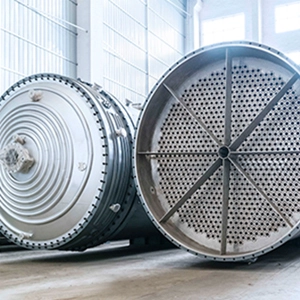
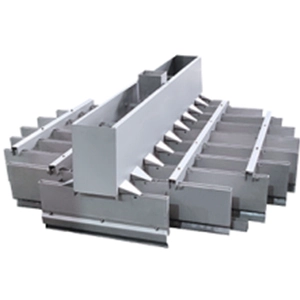
The principle of advanced monomer devolatilization technology is to rapidly and uniformly heat the polymer to a specific temperature, and/or add additives that help volatile substances escape. The polymer is then uniformly dispersed in a separation tank, allowing volatile substances to separate from the polymer matrix.
Monomer Devolatilization Process Flow
Technical Advantages
- Reduced polymer degradation, avoiding damage from high shear force
- Efficient heat exchange prevents temperature gradients and local overheating
- Low residue content and reduced operating costs
- No moving parts, lowering energy consumption
- Minimized maintenance requirements and costs
Conclusion and Outlook
The successful application of monomer devolatilization process in PCL synthesis has solved long-standing industry problems of product purity and stability – a true “purity revolution”.
This technology represents the in-depth integration of chemical process equipment and materials science, raising PCL product quality to unprecedented levels and clearing obstacles for its application in high-value fields. As environmental requirements tighten and medical technology advances, the importance of this process will continue to grow.