Definition
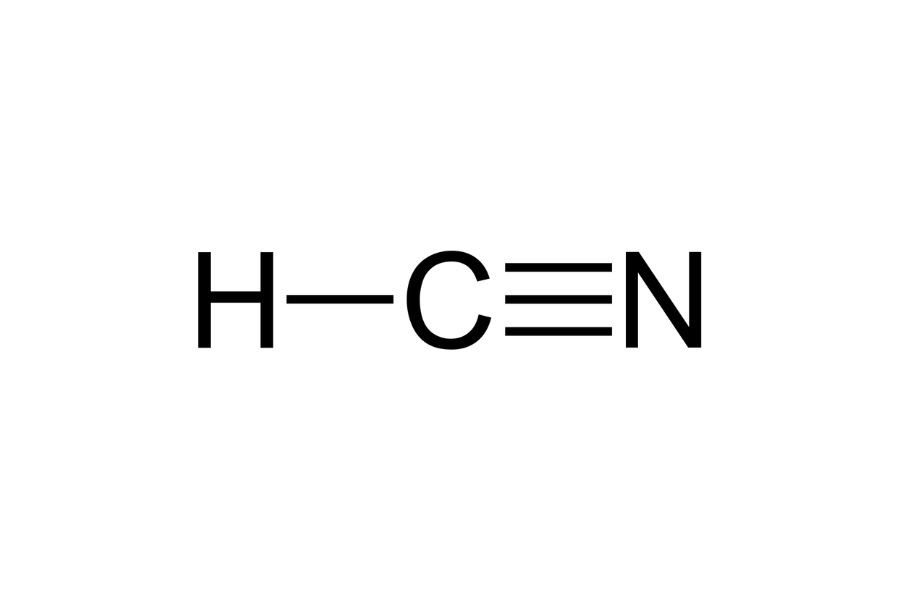
Hydrogen cyanide (HCN), also known as hydrocyanic acid, is a highly volatile and extremely toxic chemical compound with the molecular formula HCN. It is a colorless liquid or gas with a faint bitter almond odor.
HCN is an important industrial intermediate used in the production of a wide range of chemical products, despite its high toxicity and strict handling requirements.
Physical and Chemical Properties
Hydrogen cyanide exhibits several critical physicochemical characteristics:
- Molecular weight: 27.03
- Highly volatile liquid at room temperature
- Boiling point: ~25.7°C
- Low flash point and high vapor pressure
- Miscible with water and many organic solvents
- Highly toxic even at very low concentrations
HCN is chemically reactive and can participate in multiple synthesis pathways, especially in nitrile and polymer chemistry.
Industrial Production Routes
Industrial hydrogen cyanide is commonly produced through catalytic processes involving methane and ammonia.
The most widely used industrial route is the Andrussow process:
- Methane + Ammonia + Oxygen over platinum catalyst
- High-temperature reaction conditions
- Continuous gas-phase production system
- Immediate quenching and stabilization required
Alternative processes include the BMA process (methane + ammonia without oxygen).
Due to its toxicity, production systems are fully enclosed and heavily automated.
Industrial Applications
Despite its hazardous nature, hydrogen cyanide is a key building block in chemical manufacturing.
Major applications include:
- Acrylonitrile production (for acrylic fibers and plastics)
- Adiponitrile synthesis (for nylon-6,6 production)
- Methionine production (animal feed additives)
- Cyanide salts manufacturing
- Specialty chemical intermediates
- Pharmaceutical synthesis routes
HCN is therefore considered a platform chemical in nitrogen-based industrial chemistry.
Engineering Considerations
From a chemical engineering perspective, hydrogen cyanide systems require strict process control.
Reaction Control
HCN formation processes operate at high temperatures and require precise catalyst performance control.
Process Stability
Due to high volatility, even minor temperature or pressure fluctuations can significantly affect yield and safety conditions.
Material Compatibility
HCN is corrosive to certain materials under moist conditions, requiring careful selection of alloys and process equipment.
Plant Operations and Safety Systems
Hydrogen cyanide is classified as an extremely hazardous substance, requiring advanced industrial safety systems.
Typical plant measures include:
- Fully enclosed production systems
- Continuous gas detection networks
- Emergency neutralization systems
- Redundant shutdown interlocks
- Negative pressure containment zones
- Automated leak isolation systems
Operational procedures focus heavily on preventing exposure, as even low concentrations can be lethal.
Environmental and Regulatory Considerations
Due to its toxicity, hydrogen cyanide is strictly regulated in industrial environments.
Key considerations include:
- Emission control systems
- Waste gas treatment units
- Emergency release mitigation systems
- Strict occupational exposure limits
- Transportation and storage regulations
Compliance with industrial safety standards is a critical requirement in all HCN-related facilities.
Related Chemicals
- Sodium Cyanide (NaCN)
- Potassium Cyanide (KCN)
- Acrylonitrile
- Adiponitrile
- Methionine
- Cyanogen Compounds