Definition
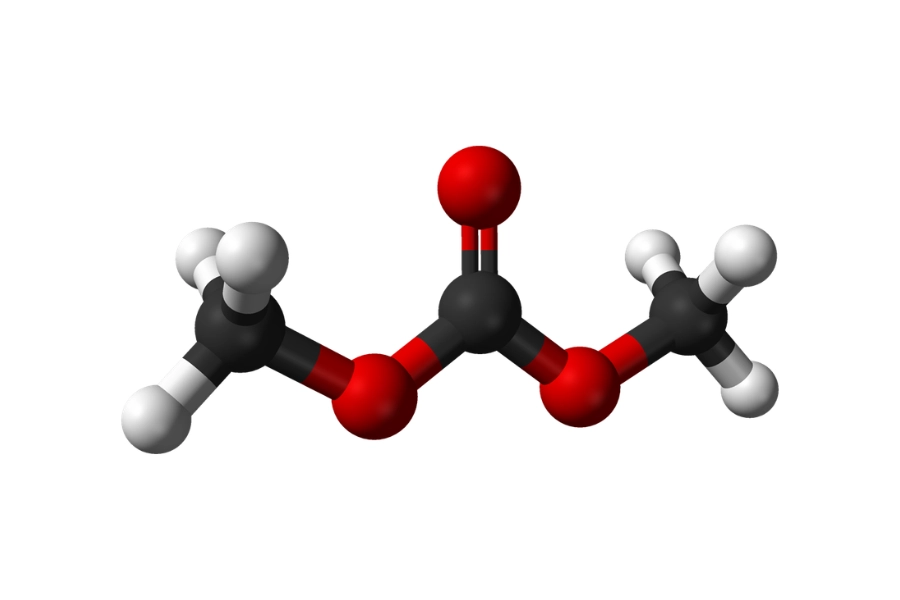
Dimethyl carbonate (DMC), with the molecular formula (CH₃O)₂CO, is a colorless, flammable organic compound belonging to the carbonate ester family. It is also known as methyl carbonate and is considered an environmentally friendly chemical intermediate due to its low toxicity and biodegradable characteristics.
DMC is widely used as a green solvent, methylating agent, and key intermediate in modern chemical and energy-related industries.
Physical and Chemical Properties
Dimethyl carbonate exhibits moderate volatility and high solubility in many organic solvents.
Key properties include:
- Molecular formula: (CH₃O)₂CO
- Molecular weight: 90.07
- Appearance: colorless transparent liquid
- Odor: slightly irritating
- Flammable liquid
- Low toxicity compared with traditional phosgene-based reagents
- Miscible with alcohols, ethers, and many organic solvents
- Limited solubility in water
Chemically, DMC contains both carbonate and methyl functional groups, enabling it to participate in methylation, carbonylation, and transesterification reactions.
Industrial Applications
Dimethyl carbonate is widely used across chemical, energy, and pharmaceutical industries.
Main applications include:
- Green substitute for toxic reagents such as phosgene and dimethyl sulfate
- Methylation agent in organic synthesis
- Production of polycarbonate materials
- Solvent for resins, coatings, and adhesives
- Fuel additive to improve combustion efficiency
- Lithium-ion battery electrolyte systems (commonly with EC, DEC, or EMC)
In many industrial systems, DMC is valued for replacing highly toxic chlorinated or sulfate-based reagents, making it an important component in sustainable chemical manufacturing.
Production Technology
Industrial production of dimethyl carbonate is typically achieved through several routes:
- Oxidative carbonylation of methanol
- Transesterification of propylene carbonate with methanol
- Carbon monoxide-based catalytic synthesis processes
Modern production methods emphasize phosgene-free routes due to environmental and safety concerns. Process design often integrates catalytic systems, distillation separation, and recycle loops to improve yield and efficiency.
Engineering Considerations
From a chemical engineering perspective, DMC production and application involve several key factors:
Reaction Selectivity
Control of by-products is critical in catalytic carbonylation systems.
Process Safety
DMC is flammable, requiring proper control of vapor phase concentration and ignition sources.
Separation Efficiency
Azeotrope-like behavior in alcohol mixtures requires efficient distillation system design.
Plant Operations and Handling
In industrial environments, DMC is handled under controlled conditions due to its volatility and flammability.
Operational considerations include:
- Sealed storage and transfer systems
- Ventilation and vapor control
- Temperature control to prevent vapor buildup
- Fire prevention and explosion protection systems
- Compatibility checks with materials used in pipelines and storage tanks
Due to its relatively low toxicity, DMC is considered safer than many traditional methylating agents, but flammability remains a key operational risk factor.
Related Chemicals
- Methanol
- Propylene Carbonate
- Ethylene Carbonate (EC)
- Dimethyl Sulfate (DMS)
- Phosgene (COCl₂)