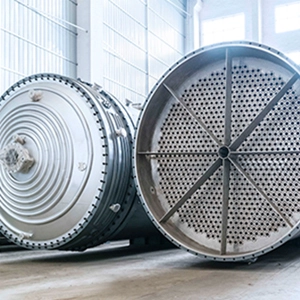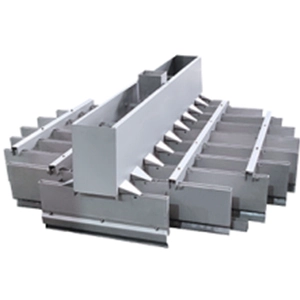
Definition
Methyl mercaptan, also known as methanethiol, is a sulfur-containing organic compound with the chemical formula CH₃SH. It is a colorless gas characterized by a strong, unpleasant odor even at very low concentrations.
It is one of the simplest thiols and belongs to the family of organosulfur compounds.
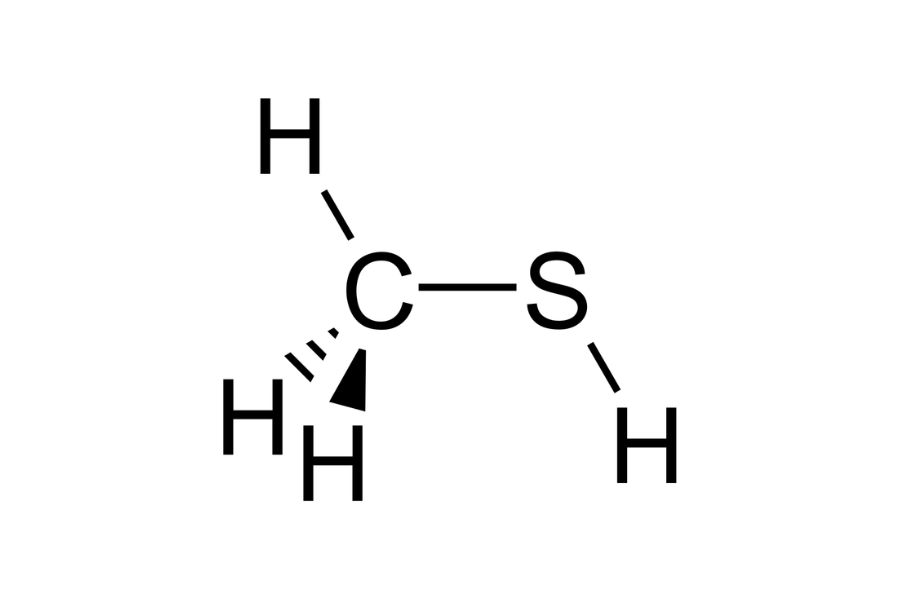
Physical and Chemical Properties
According to reference chemical data, methyl mercaptan typically exhibits:
- Chemical formula: CH₃SH
- Molecular structure: thiol (-SH) functional group
- Strong characteristic odor (detectable at very low concentration)
- Boiling point: approximately 5.96°C
- Melting point: approximately -123°C
- Exists as a gas under ambient conditions
Due to the presence of the thiol group, methyl mercaptan is chemically reactive and can participate in oxidation and sulfur-related reactions.
Industrial Applications
Methyl mercaptan is primarily used as an intermediate chemical in industrial synthesis processes.
Typical applications include:
- Production of methionine (animal feed additive)
- Sulfur-containing chemical synthesis
- Odorant additive for natural gas detection
- Intermediate in agrochemical and chemical manufacturing
In many industrial systems, methyl mercaptan is not a final product but a key sulfur feedstock used in downstream synthesis routes.
Production Technology
Industrial production of methyl mercaptan is commonly based on sulfur-containing feedstock reactions.
Typical routes include:
- Reaction of methanol with hydrogen sulfide
- Catalytic synthesis under controlled temperature conditions
- Separation and purification from gas mixtures
Due to its volatility and odor intensity, production systems require closed-loop handling and strict emission control measures.
Engineering Considerations
From an industrial engineering perspective, methyl mercaptan systems require careful process control due to its high volatility and strong odor characteristics.
Key considerations include:
Reaction Control
Reaction conditions must be optimized to control selectivity and minimize by-products.
Containment and Emission Control
Even extremely low leakage concentrations are easily detectable due to odor intensity, requiring sealed systems and gas recovery units.
Process Safety
Handling systems must account for toxicity, flammability, and odor control requirements.
Plant Operations and Handling
In industrial environments, methyl mercaptan is typically handled in closed systems with strict monitoring.
Operational focus includes:
- Leak detection systems (due to ultra-low odor threshold)
- Vent gas treatment and scrubbing systems
- Corrosion-resistant material selection
- Controlled storage and transfer systems
- Continuous monitoring of sulfur compound emissions
Because of its detectability at extremely low concentrations, even minor leaks are treated as critical operational events.
Related Chemicals
- Hydrogen Sulfide (H₂S)
- Dimethyl Sulfide (DMS)
- Ethyl Mercaptan
- Methionine
- Sulfur-containing organics