정의
Water (H₂O) is a fundamental chemical substance composed of hydrogen and oxygen. It exists widely in nature and industrial systems in liquid, solid, and gaseous states.
In chemical and process engineering, water is not only a natural resource but also a critical process medium, widely used as a solvent, heat transfer fluid, reaction medium, and purification agent.
Due to its unique physical and chemical properties, water plays a central role in both industrial manufacturing and environmental systems.
물리적 및 화학적 성질
Water exhibits several unique properties that distinguish it from most industrial liquids:
- Molecular formula: H₂O
- Molecular weight: 18.02
- Boiling point: 100°C (at 1 atm)
- Freezing point: 0°C
- High polarity and hydrogen bonding capability
- Excellent solvent for ionic and polar compounds
Water can dissolve a wide range of substances, making it one of the most important industrial solvents in chemical processes.
It also exists in multiple phases in nature:
- Solid (ice)
- Liquid (water)
- Gas (steam / vapor)
Industrial Role of Water
In chemical engineering systems, water is used across almost all industrial sectors.
1. Process Solvent
Water is widely used as a solvent in:
- chemical synthesis
- polymer processing
- pharmaceutical manufacturing
- inorganic salt production
2. Heat Transfer Medium
Due to its high heat capacity, water is commonly used in:
- cooling systems
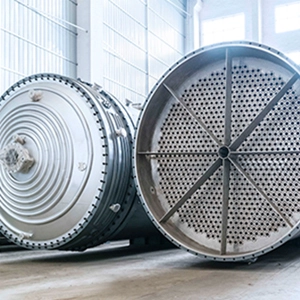
- 열교환기
- reactor temperature control systems
- distillation condensers
3. Separation and Purification
Water is used in:
- washing processes
- extraction systems
- 가스 흡수
- crystallization processes
4. Reaction Medium
Many industrial reactions occur in aqueous systems due to:
- high solubility of reactants
- controlled reaction kinetics
- safer heat management
공정 공학적 고려 사항
From an industrial engineering perspective, water quality directly affects process performance.
Key parameters include:
- dissolved oxygen content
- ionic impurities (Na⁺, Ca²⁺, Cl⁻)
- hardness levels
- microbial contamination
- conductivity
In high-end chemical and electronic industries, ultra-pure water (UPW) systems are required to meet strict purity standards.
Water treatment processes typically involve:
- filtration
- ion exchange
- reverse osmosis
- 증류
산업계의 오해
A common misconception is that water is a “neutral and simple” substance in industrial systems.
In reality, water is a highly reactive process medium in many contexts:
- it can participate in hydrolysis reactions
- it can affect catalyst performance
- it can trigger corrosion in equipment systems
- it can significantly influence reaction selectivity
Therefore, in chemical engineering, water is treated as a critical process variable, not just a background solvent.
산업적 의의
Water is one of the most important utilities in chemical and process industries.
It is essential for:
- chemical manufacturing systems
- separation and purification technologies
- energy and heat management systems
- environmental and safety systems
In advanced industrial plants, water management is directly linked to:
- process efficiency
- equipment lifetime
- product quality
- operational safety
관련 용어
- Ultra-Pure Water (UPW)
- Cooling Water System
- 열교환기
- 증류
- Solvent Systems
- Hydrolysis Reaction