Definición
El agua (H₂O) es una sustancia química fundamental compuesta por hidrógeno y oxígeno. Se encuentra ampliamente presente en la naturaleza y en los sistemas industriales en estado líquido, sólido y gaseoso.
En la ingeniería química y de procesos, el agua no solo es un recurso natural, sino también un elemento fundamental medio de proceso, ampliamente utilizado como disolvente, fluido de transferencia de calor, medio de reacción y agente purificador.
Debido a sus propiedades físicas y químicas únicas, el agua desempeña un papel fundamental tanto en la producción industrial como en los sistemas medioambientales.

Propiedades físicas y químicas
El agua presenta varias propiedades únicas que la distinguen de la mayoría de los líquidos industriales:
- Fórmula molecular: H₂O
- Peso molecular: 18,02
- Punto de ebullición: 100 °C (a 1 atm)
- Punto de congelación: 0 °C
- Alta polaridad y capacidad para formar enlaces de hidrógeno
- Excelente disolvente para compuestos iónicos y polares
El agua puede disolver una amplia variedad de sustancias, lo que la convierte en uno de los disolventes industriales más importantes en los procesos químicos.
Además, en la naturaleza se presenta en múltiples fases:
- Sólido (hielo)
- Líquido (agua)
- Gas (vapor)
El papel del agua en la industria
En los sistemas de ingeniería química, el agua se utiliza en casi todos los sectores industriales.
1. Disolvente de proceso
El agua se utiliza ampliamente como disolvente en:
- síntesis química
- procesamiento de polímeros
- fabricación de productos farmacéuticos
- producción de sales inorgánicas
2. Medio de transferencia de calor
Debido a su elevada capacidad térmica, el agua se utiliza habitualmente en:
- sistemas de refrigeración
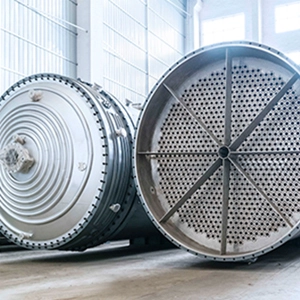
- intercambiadores de calor
- sistemas de control de la temperatura del reactor
- condensadores de destilación
3. Separación y purificación
El agua se utiliza en:
- procesos de lavado
- sistemas de extracción
- absorción de gas
- procesos de cristalización
4. Medio de reacción
Muchas reacciones industriales tienen lugar en sistemas acuosos debido a:
- alta solubilidad de los reactivos
- cinética de reacción controlada
- una gestión más segura del calor
Consideraciones sobre ingeniería de procesos
Desde el punto de vista de la ingeniería industrial, la calidad del agua influye directamente en el rendimiento de los procesos.
Entre los parámetros clave se incluyen:
- contenido de oxígeno disuelto
- impurezas iónicas (Na⁺, Ca²⁺, Cl⁻)
- niveles de dureza
- contaminación microbiana
- conductividad
En los sectores químico y electrónico de alta gama, los sistemas de agua ultrapura (UPW) deben cumplir estrictas normas de pureza.
Los procesos de tratamiento del agua suelen incluir:
- filtración
- intercambio iónico
- ósmosis inversa
- destilación
Idea errónea sobre la industria
Una idea errónea muy extendida es que el agua es una sustancia “neutra y sencilla” en los sistemas industriales.
En realidad, el agua es un medio de proceso muy reactivo en muchos contextos:
- puede participar en reacciones de hidrólisis
- puede afectar al rendimiento del catalizador
- puede provocar corrosión en los sistemas de los equipos
- puede influir de manera significativa en la selectividad de la reacción
Por lo tanto, en ingeniería química, el agua se considera un variable crítica del proceso, y no solo un disolvente de fondo.
Importancia industrial
El agua es uno de los recursos más importantes en las industrias químicas y de procesos.
Es imprescindible para:
- sistemas de fabricación de productos químicos
- tecnologías de separación y purificación
- sistemas de gestión de la energía y el calor
- sistemas medioambientales y de seguridad
En las plantas industriales avanzadas, la gestión del agua está directamente relacionada con:
- eficiencia de los procesos
- vida útil del equipo
- calidad del producto
- seguridad operativa
Términos relacionados
- Agua ultrapura (UPW)
- Sistema de agua de refrigeración
- Intercambiador de calor
- Destilación
- Sistemas de disolventes
- Reacción de hidrólisis