What Are New Energy Materials?

목차

정의

새로운 에너지 소재 refer to a broad class of functional materials used in energy conversion, storage, and utilization systems that support renewable and low-carbon energy technologies.

Unlike conventional industrial materials, new energy materials are designed to enable or improve energy-related processes such as electricity generation, electrochemical storage, and energy conversion efficiency.

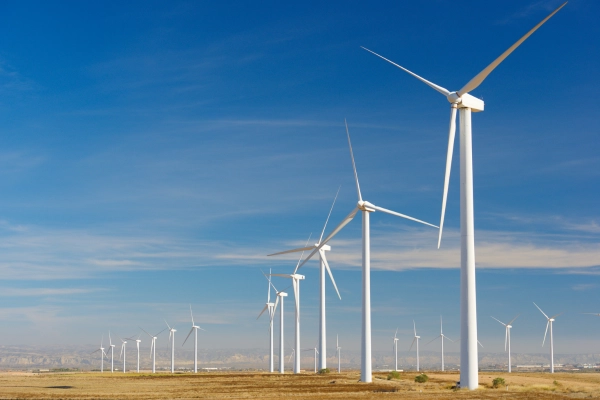
The concept is closely linked to evolving energy systems and includes materials used in solar energy, hydrogen energy, nuclear energy, wind energy, and electrochemical energy storage systems.

New Energy Materials

Core Material Systems

새로운 에너지 소재 are not a single category but a combination of multiple material systems used across different energy technologies:

Solar Energy Materials

  • Photovoltaic silicon materials
  • Perovskite materials
  • Thin-film semiconductor materials

Energy Storage Materials

  • Lithium-ion battery cathode materials
  • Anode materials (graphite, silicon-based systems)
  • Electrolytes and separator materials

Hydrogen Energy Materials

  • Hydrogen storage alloys
  • Proton exchange membrane materials
  • Catalytic materials for electrolysis

Nuclear Energy Materials

  • Radiation-resistant structural materials
  • Fuel cladding materials
  • Ceramic-based nuclear materials

Wind and Structural Energy Materials

  • High-performance composite materials
  • Carbon fiber reinforced polymers
  • Structural lightweight alloys

산업 분야 적용

New energy materials are widely used in modern energy infrastructure, including:

  • Lithium-ion battery systems for electric vehicles
  • Solar photovoltaic power generation systems
  • Hydrogen production and fuel cell systems
  • Energy storage and grid stabilization systems
  • Advanced low-carbon industrial systems

These materials directly determine the efficiency, safety, cost, and lifecycle performance of energy systems.

Process Technology Considerations

From a chemical and materials engineering perspective, new energy materials involve complex processing and manufacturing challenges.

주요 고려 사항은 다음과 같습니다:

  • High purity requirements for electrochemical performance
  • Controlled microstructure formation
  • Interface stability in energy storage systems
  • Thermal and electrochemical stability under operating conditions
  • Scalable manufacturing for industrial production

For example, battery materials require strict control over particle size distribution, impurity levels, and coating uniformity to ensure stable energy performance.

Industrial Misconception

A common misconception is that “new energy materials” refers to a single material category or a fixed set of substances.

In reality, it is a system-level concept covering multiple material families across different energy technologies.

Another misunderstanding is that these materials are inherently “green” or environmentally neutral. In practice, their production often involves energy-intensive processes, complex purification steps, and resource-dependent supply chains.

산업적 의의

새로운 에너지 소재 are a core foundation of modern energy transition systems.

They enable:

  • Higher energy conversion efficiency
  • Improved energy storage density
  • Reduced carbon emissions in energy systems
  • Expansion of renewable energy infrastructure

From an industrial perspective, they represent a key intersection between materials science, chemical engineering, and large-scale manufacturing systems.

관련 용어

  • Lithium-ion Battery Materials
  • Cathode Materials
  • Electrolyte Solvents
  • Perovskite Solar Cells
  • Hydrogen Storage Materials
  • Energy Storage Systems
  • Electrochemical Materials

관련 라이선스 기술 및 장비

화학 공정 솔루션

애플리케이션

지속 가능성

메시지 보내기

반응 및 분리 전문, 저탄소 기술 파트너

도겐-화학-공정-회사

문의하기

고객의 요구 사항을 충족하기 위해 최선을 다합니다.