Definición
Nuevos materiales energéticos se refieren a una amplia clase de materiales funcionales utilizados en sistemas de conversión, almacenamiento y aprovechamiento de la energía que respaldan las tecnologías energéticas renovables y con bajas emisiones de carbono.
A diferencia de los materiales industriales convencionales, los nuevos materiales energéticos están diseñados para permitir o mejorar procesos relacionados con la energía, como la generación de electricidad, el almacenamiento electroquímico y la eficiencia en la conversión de energía.
Este concepto está estrechamente relacionado con la evolución de los sistemas energéticos e incluye los materiales utilizados en la energía solar, la energía del hidrógeno, la energía nuclear, la energía eólica y los sistemas de almacenamiento de energía electroquímica.
Sistemas de materiales para núcleos
Nuevos materiales energéticos no constituyen una única categoría, sino una combinación de múltiples sistemas de materiales que se utilizan en diferentes tecnologías energéticas:
Materiales para la energía solar
- Materiales de silicio fotovoltaicos
- Materiales de perovskita
- Materiales semiconductores de película fina
Materiales para el almacenamiento de energía
- Materiales para el cátodo de las baterías de iones de litio
- Materiales de ánodo (grafito, sistemas a base de silicio)
- Electrolitos y materiales separadores
Materiales para la energía del hidrógeno
- Aleaciones para el almacenamiento de hidrógeno
- Materiales para membranas de intercambio de protones
- Materiales catalíticos para la electrólisis
Materiales para la energía nuclear
- Materiales estructurales resistentes a la radiación
- Materiales de recubrimiento del combustible
- Materiales nucleares a base de cerámica
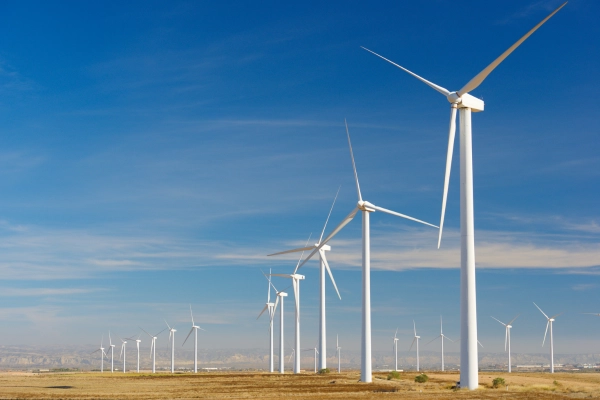
Materiales para energía eólica y estructuras
- Materiales compuestos de alto rendimiento
- Polímeros reforzados con fibra de carbono
- Aleaciones ligeras estructurales
Aplicaciones industriales
Los nuevos materiales energéticos se utilizan ampliamente en las infraestructuras energéticas modernas, entre los que se incluyen:
- Sistemas de baterías de iones de litio para vehículos eléctricos
- Sistemas de generación de energía solar fotovoltaica
- Producción de hidrógeno y sistemas de pilas de combustible
- Sistemas de almacenamiento de energía y estabilización de la red eléctrica
- Sistemas industriales avanzados con bajas emisiones de carbono
Estos materiales determinan directamente la eficiencia, la seguridad, el coste y el rendimiento a lo largo de su ciclo de vida de los sistemas energéticos.
Consideraciones sobre la tecnología de procesos
Desde el punto de vista de la ingeniería química y de materiales, los nuevos materiales energéticos plantean complejos retos en materia de procesamiento y fabricación.
Entre los aspectos clave a tener en cuenta se incluyen:
- Requisitos de alta pureza para el rendimiento electroquímico
- Formación controlada de la microestructura
- Estabilidad de la interfaz en los sistemas de almacenamiento de energía
- Estabilidad térmica y electroquímica en condiciones de funcionamiento
- Fabricación escalable para la producción industrial
Por ejemplo, los materiales para baterías requieren un control estricto de la distribución del tamaño de las partículas, los niveles de impurezas y la uniformidad del recubrimiento para garantizar un rendimiento energético estable.
Idea errónea sobre la industria
Un error muy extendido es pensar que el término “nuevos materiales energéticos” se refiere a una única categoría de materiales o a un conjunto fijo de sustancias.
En realidad, se trata de un concepto a nivel de sistema que abarca múltiples familias de materiales en diferentes tecnologías energéticas.
Otro error común es pensar que estos materiales son intrínsecamente “ecológicos” o neutros desde el punto de vista medioambiental. En la práctica, su producción suele implicar procesos que consumen mucha energía, etapas de purificación complejas y cadenas de suministro que dependen de determinados recursos.
Importancia industrial
Nuevos materiales energéticos constituyen un pilar fundamental de los sistemas modernos de transición energética.
Permiten:
- Mayor eficiencia en la conversión de energía
- Mayor densidad de almacenamiento de energía
- Reducción de las emisiones de carbono en los sistemas energéticos
- Ampliación de las infraestructuras de energías renovables
Desde una perspectiva industrial, representan un punto de encuentro clave entre la ciencia de los materiales, la ingeniería química y los sistemas de fabricación a gran escala.
Términos relacionados
- Materiales para baterías de iones de litio
- Materiales catódicos
- Disolventes electrolíticos
- Células solares de perovskita
- Materiales para el almacenamiento de hidrógeno
- Sistemas de almacenamiento de energía
- Materiales electroquímicos