메타크릴산(MAA)이란 무엇인가?

목차

정의

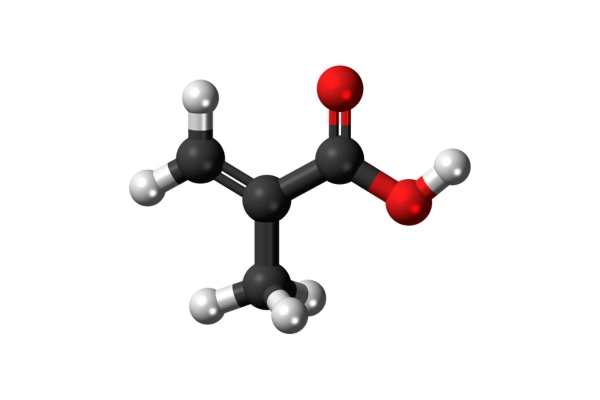
Methacrylic acid (MAA), also known as 2-methylacrylic acid or 2-methylpropenoic acid, is an unsaturated carboxylic acid widely used as an intermediate in the production of acrylic materials and specialty polymers.

As one of the most important building blocks in acrylic chemistry, methacrylic acid serves as a precursor for methyl methacrylate (MMA), methacrylate esters, adhesives, coatings, and polymer additives.

물리적 및 화학적 성질

Methacrylic acid is a colorless liquid under normal conditions and exhibits both acidic and polymerizable characteristics.

Typical properties include:

  • Molecular formula: C₄H₆O₂
  • 무색 액체
  • Melting point: 15–16°C
  • Boiling point: 161–162°C
  • Soluble in water, ethanol, and ether
  • Readily polymerizes under suitable conditions

The presence of both a carboxyl group and a carbon-carbon double bond gives methacrylic acid high chemical versatility. It can participate in esterification reactions while also serving as a monomer or polymer intermediate.

생산 방법

Methacrylic acid is commonly produced through industrial processes involving acetone cyanohydrin (ACH) intermediates.

간단히 정리한 생산 공정은 다음과 같습니다:

Acetone

Acetone Cyanohydrin

가수분해

Methacrylic Acid

According to traditional industrial methods, methacrylic acid can also be generated through oxidation and conversion processes involving isobutylene-derived feedstocks.

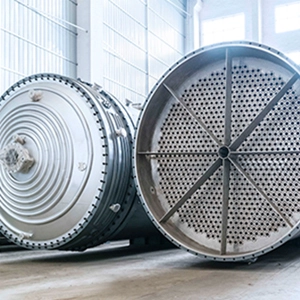
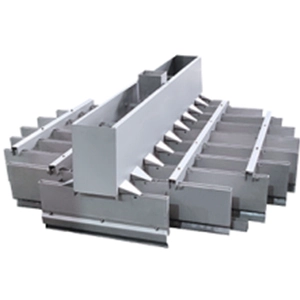
Following synthesis, purification is typically achieved through separation and distillation processes to meet product quality requirements.

산업적 장점

Methacrylic acid remains an important chemical intermediate because of its dual functionality.

Excellent Reactivity

The molecule contains both unsaturated and acidic functional groups, allowing it to participate in a wide variety of chemical reactions.

Versatile Intermediate

Methacrylic acid serves as a key raw material for multiple downstream products, including methacrylate esters and specialty polymers.

Polymer Manufacturing Value

Its chemistry enables the production of materials with desirable transparency, durability, weather resistance, and adhesion properties.

산업 분야 적용

Methyl Methacrylate Production

One of the most important applications of methacrylic acid is the manufacture of methyl methacrylate (MMA) through esterification with methanol.

MMA subsequently becomes the primary monomer used in polymethyl methacrylate (PMMA) production.

Acrylic Resins and Polymers

Methacrylic acid is widely used in:

  • Acrylic resins
  • Polymer modifiers
  • Coatings
  • Adhesives
  • Crosslinking systems

Its derivatives are important components in construction, automotive, electronics, and industrial materials.

Specialty Chemical Manufacturing

Methacrylic acid is also utilized in the production of various specialty methacrylate compounds designed for specific performance requirements.

안전 및 처리 시 고려 사항

Because methacrylic acid can polymerize under certain conditions, storage and processing systems must be carefully controlled.

산업 시설은 일반적으로 다음 사항에 중점을 둡니다:

  • Polymerization prevention
  • Temperature control
  • 제품 순도
  • Corrosion management
  • Distillation efficiency

Proper handling procedures help maintain product stability and support consistent downstream manufacturing performance.

관련 용어

  • 메틸 메타크릴레이트(MMA)
  • Acetone Cyanohydrin (ACH)
  • Acrylic Resin
  • 중합
  • 에스테르화
  • PMMA

관련 라이선스 기술 및 장비

화학 공정 솔루션

애플리케이션

지속 가능성

메시지 보내기

반응 및 분리 전문, 저탄소 기술 파트너

도겐-화학-공정-회사

문의하기

고객의 요구 사항을 충족하기 위해 최선을 다합니다.