What Is Lactic Acid?

목차

Definition

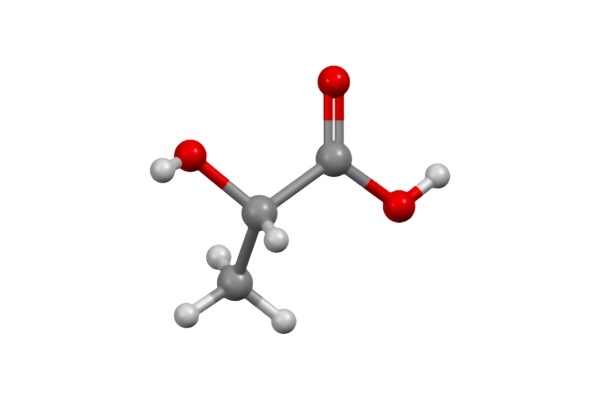
Lactic acid, also known as 2-hydroxypropanoic acid or α-hydroxypropionic acid, is an organic acid containing both hydroxyl and carboxyl functional groups. It appears as a colorless to pale yellow syrup-like liquid or solid and is widely used in food, pharmaceutical, chemical, and industrial applications.

Due to its biodegradability, mild acidity, and versatility as a chemical intermediate, lactic acid has become one of the most important bio-based chemicals in modern industry.

Lactic Acid

Physical and Chemical Properties

Lactic acid exhibits good solubility and compatibility with many polar solvents.

Key characteristics include:

  • Molecular formula: C₃H₆O₃
  • Colorless to pale yellow appearance
  • Miscible with water
  • Soluble in ethanol, ether, and glycerol
  • Hygroscopic in nature
  • Contains both hydroxyl and carboxyl groups

The presence of these functional groups gives lactic acid high chemical reactivity and makes it a valuable intermediate for esterification, polymerization, and other chemical processes.

Production Methods

Commercial lactic acid is primarily produced through carbohydrate fermentation.

A simplified production route is:

Sugar Feedstocks

발효

Crude Lactic Acid

Purification

Lactic Acid Product

Industrial production focuses on achieving high purity while minimizing impurities generated during fermentation. Downstream purification may involve separation, concentration, and refining technologies to meet application requirements.

Industrial Advantages

Lactic acid offers several characteristics that make it valuable across multiple industries.

Renewable Origin

Modern lactic acid production is largely based on renewable agricultural feedstocks rather than petroleum-derived raw materials.

Chemical Versatility

Its dual functional groups allow it to participate in a wide range of chemical reactions and downstream product manufacturing.

Biodegradable Platform Chemical

Lactic acid serves as an important building block for biodegradable materials and specialty chemicals.

Industrial Applications

Food and Beverage Industry

Lactic acid is widely used as an acidulant, preservative, and flavor-adjusting ingredient in food and beverage production.

Chemical Manufacturing

It serves as a raw material for various chemical intermediates, esters, and specialty products.

Pharmaceutical Applications

Lactic acid and its derivatives are used in pharmaceutical formulations and medical-related products.

Polylactic Acid (PLA) Production

One of the most important industrial applications of lactic acid is the manufacture of Polylactic Acid (PLA). As the primary feedstock for PLA production, lactic acid plays a critical role in the growing biodegradable plastics industry.

Related Terms

  • 폴리락트산(PLA)
  • 발효
  • Biodegradable Polymers
  • Esterification
  • Bio-Based Chemicals

관련 라이선스 기술 및 장비

화학 공정 솔루션

애플리케이션

지속 가능성

메시지 보내기

반응 및 분리 전문, 저탄소 기술 파트너

도겐-화학-공정-회사

문의하기

고객의 요구 사항을 충족하기 위해 최선을 다합니다.