정의
이소소르비드, chemically known as 1,4:3,6-Dianhydro-D-sorbitol, is a bio-based organic compound produced through the dehydration of sorbitol. It has a molecular weight of 146.14 and is characterized by a rigid bicyclic structure formed by two fused tetrahydrofuran rings.
As a renewable chemical derived from carbohydrate feedstocks, isosorbide has gained increasing importance as a building block for high-performance materials and specialty chemical applications.
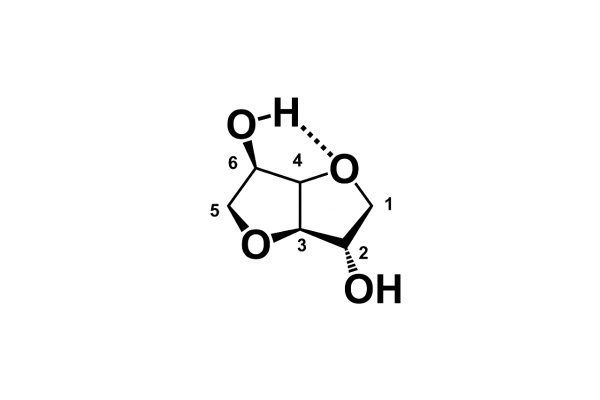
화학 구조 및 성질
The unique molecular structure of isosorbide gives it several desirable properties for industrial use.
주요 특징은 다음과 같습니다:
- High thermal stability
- Rigid molecular framework
- Renewable origin
- Good chemical resistance
- Low toxicity profile
Unlike many conventional petrochemical intermediates, isosorbide combines bio-based sourcing with structural properties that can contribute to improved material performance in downstream applications.
생산 방법
Industrial isosorbide is primarily produced through the catalytic dehydration of sorbitol.
간단히 정리한 생산 공정은 다음과 같습니다:
Glucose
↓
Sorbitol
↓
Dehydration
↓
Isosorbide
The efficiency of this process depends on reaction conditions, catalyst selection, and purification requirements. Industrial production typically focuses on maximizing product purity and reaction selectivity while minimizing by-product formation.
산업적 장점
The growing interest in isosorbide is driven not only by its renewable origin but also by its engineering value.
Thermal Stability
Isosorbide exhibits good heat resistance, making it suitable for applications where thermal performance is important.
Rigid Molecular Structure
Its rigid bicyclic structure can increase stiffness and dimensional stability in certain polymer systems.
Bio-Based Feedstock
Because it originates from sorbitol, isosorbide provides manufacturers with a renewable alternative to some fossil-based chemical intermediates.
산업 분야 적용
Isosorbide is used across several industrial sectors.
Polymer and Plastic Manufacturing
One of its most important applications is in bio-based polymers and engineering plastics, where it can contribute to improved mechanical and thermal properties.
Optical Plastics
The material is also used in optical plastic applications that require transparency, stability, and durability.
Personal Care and Pharmaceutical Fields
Due to its favorable safety profile, isosorbide and its derivatives are utilized in selected cosmetic, pharmaceutical, and specialty chemical formulations.
관련 용어
- Sorbitol
- 바이오 기반 화학물질
- 폴리락트산(PLA)
- 중합
- Sustainable Polymers