Un marco de competencias de nueve partes para los sistemas de destilación
Una pregunta que se plantea con frecuencia es: ¿Qué es un paquete de diseño de procesos de destilación ¿Qué incluye? En términos más generales, ¿qué tareas conlleva la tecnología de los procesos de destilación?
Un especialista cualificado en destilación —y, en particular, en destilación al alto vacío— debe integrar conocimientos de varias disciplinas técnicas. Este artículo presenta nueve competencias esenciales, aunque los conocimientos necesarios en la práctica van mucho más allá de este marco.
Termodinámica: la base de todo cálculo
La elección de un modelo termodinámico inadecuado compromete todas las simulaciones y decisiones de diseño posteriores. Un especialista en destilación debe comprender el equilibrio vapor-líquido (VLE), saber cuándo utilizar una ecuación de estado y cuándo es necesario un modelo de coeficiente de actividad, y reconocer las limitaciones de cada método.
Esto reviste especial importancia en la destilación al alto vacío y en el procesamiento de productos químicos finos, donde el comportamiento no ideal, los materiales sensibles al calor y la escasez de datos sobre las propiedades físicas suelen generar una incertidumbre adicional.
Cuando faltan datos sobre las propiedades físicas o estos son incoherentes, el ingeniero debe ser capaz de evaluar las fuentes disponibles, estimar los parámetros que faltan, comparar modelos alternativos y validar los resultados contrastándolos con datos experimentales o de funcionamiento. Esta capacidad es una de las diferencias más evidentes entre el software de simulación de funcionamiento y la comprensión real del proceso de destilación.
Simulación de procesos: de la convergencia numérica al diseño viable
El desarrollo de un modelo de destilación convergente demuestra un dominio básico del software, pero la convergencia por sí sola no garantiza que la columna pueda ponerse en marcha o funcionar correctamente.
Un experto en destilación debe ser capaz de identificar métodos de cálculo inadecuados, diagnosticar las causas físicas de los fallos de convergencia y reconocer cuándo un resultado matemáticamente válido no refleja el comportamiento real de la planta.
La simulación también debe calibrarse utilizando datos de puesta en marcha y de funcionamiento. Cada valor de temperatura, presión, caudal y composición debe interpretarse en el contexto de la puesta en marcha, la producción en régimen estacionario, las perturbaciones del proceso y las limitaciones de los equipos.
Un modelo sólido debe servir tanto para el análisis de diseño como para el análisis operativo. El ingeniero debe saber cuándo la simulación representa con precisión la columna real y cuándo sus supuestos dejan de ser válidos.
Hidráulica de columnas: más compleja de lo que parece
El rendimiento de la transferencia de masa de una bandeja o un lecho empaquetado depende en gran medida del diseño hidráulico.
Los cálculos básicos incluyen el inundamiento de las bandejas, el goteo, el tiempo de permanencia en los conductos de bajada, la altura libre del líquido, el HETP del relleno, la caída de presión y la retención de líquido. Estos cálculos son esenciales, pero solo constituyen el punto de partida.
Un especialista debe comprender por qué unos componentes internos aparentemente similares pueden dar lugar a resultados distintos. Un mismo relleno nominal puede presentar valores de HETP diferentes en función de las propiedades del sistema, la presión de funcionamiento, la distribución del líquido, las cargas de vapor y líquido, la calidad de la instalación y el estado de la superficie.
El ingeniero debe encontrar el equilibrio adecuado entre la caída de presión, el rango de funcionamiento, la capacidad y la eficiencia de separación. El diseño seleccionado también debe tener en cuenta riesgos específicos del proceso, como la formación de espuma, la acumulación de residuos, la obstrucción, las cargas bajas de líquido, las cargas altas de vapor y el funcionamiento al vacío.
Selección y diseño de intercambiadores de calor: garantía de una destilación estable
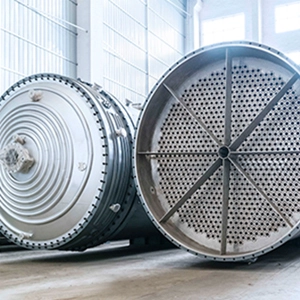
Los rehervidores y los condensadores son componentes fundamentales de un sistema de destilación.
Entre las consideraciones clave de diseño se incluyen la estabilidad de la circulación en los rehervidores de termosifón verticales, el diseño de la trayectoria del flujo en los rehervidores de circulación forzada, el subenfriamiento del condensador, el control de la presión y la eliminación de gases no condensables. Los ingenieros también deben dominar la evaluación rigurosa de los intercambiadores de calor y la verificación de su rendimiento mediante herramientas como Aspen EDR y HTRI.
El diseño de los intercambiadores de calor cobra aún mayor importancia en la destilación al alto vacío. Las diferencias de temperatura disponibles pueden ser reducidas, las pérdidas de presión deben controlarse rigurosamente y una disposición inadecuada de la condensación o del flujo de vapor puede desestabilizar todo el sistema.
No basta con comprobar únicamente la superficie de transferencia de calor. El diseño debe tener en cuenta también la circulación, el comportamiento de las fases, la caída de presión, la formación de incrustaciones, la separación de vapor, la respuesta de control, el rango de regulación y las condiciones de puesta en marcha. Muchos problemas de destilación en alto vacío se deben a deficiencias en el diseño del rehervidor o del condensador.
Paquetes de diseño de procesos e ingeniería básica: la conexión entre el diseño y la explotación
La elaboración de un proyecto de diseño de un proceso de destilación y la realización de la ingeniería básica implican mucho más que definir el número de secciones de la columna, el diámetro de la columna, la presión de funcionamiento y el rango de funcionamiento.
Entre los resultados esperados habituales pueden figurar:
- Diagramas de flujo de procesos (PFD)
- Esquemas de tuberías e instrumentación (P&ID)
- Fichas técnicas de los equipos
- Fichas técnicas de proceso para instrumentos
- Balances térmicos y de materiales
- Requisitos de los servicios públicos
- Descripciones de los sistemas de control y enclavamiento
- Principios de funcionamiento y protección
Y lo que es más importante, el paquete debe integrar la termodinámica, la simulación de procesos, la hidráulica de columnas, el diseño de la transferencia de calor, los requisitos de puesta en marcha y la experiencia operativa.
Un diseño adecuado también incluye unos márgenes de funcionamiento apropiados, sin recurrir a un sobredimensionamiento innecesario. Debe proporcionar a los operadores la capacidad de control suficiente para gestionar las variaciones en la alimentación, las perturbaciones del proceso, las transiciones de puesta en marcha y los cambios en las especificaciones del producto.
Selección de eluentes, bandejas y columnas: no existe una solución universal
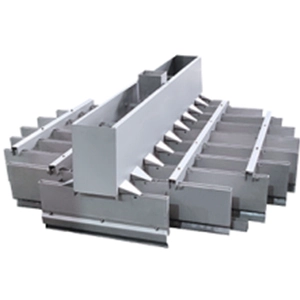
La selección de eluentes, bandejas, distribuidores y otros componentes internos de la columna está estrechamente relacionada con los cálculos hidráulicos, pero requiere un nivel adicional de conocimientos prácticos.
El ingeniero debe saber cómo influyen en el rendimiento de la separación las diferencias en la geometría, la estructura de la superficie, el grado de apertura, el recorrido del flujo, la calidad de fabricación y las tolerancias de instalación. Los elementos internos que parecen similares pueden presentar capacidades, eficiencias, caídas de presión y rangos de funcionamiento distintos.
Para que la selección sea eficaz, es necesario comprender:
- Los principios de diseño que subyacen a cada tipo de bandeja o embalaje
- Cómo evolucionaron los distintos diseños a partir de configuraciones anteriores
- Los efectos de pequeñas modificaciones estructurales
- Los modelos hidráulicos aplicables a cada sistema interno
- Los datos operativos utilizados para validar el rendimiento
- Los límites dentro de los cuales el sistema interno funciona de forma fiable
Por ejemplo, dos bandejas de válvulas fijas pueden parecer casi idénticas, pero requieren correlaciones hidráulicas diferentes debido a las diferencias en la geometría de las válvulas y en el comportamiento del flujo de vapor y líquido. Si sus métodos de cálculo difieren, no se puede dar por sentado que sus criterios de selección sean idénticos.
Por lo tanto, debe seleccionarse el material interno adecuado en función del sistema concreto, teniendo en cuenta la presión, las cargas de vapor y líquido, la tensión superficial, la viscosidad, la tendencia a las incrustaciones, el comportamiento frente a la formación de espuma, los requisitos de rango de regulación y la sensibilidad del producto.
Puesta en marcha y funcionamiento de las columnas: validación del diseño en la práctica
Un diseño técnicamente completo tiene un valor limitado si la columna no se puede poner en servicio ni funcionar correctamente.
Sin embargo, el hecho de que la puesta en marcha inicial no haya tenido éxito no significa necesariamente que no se pueda recuperar el diseño. Lo fundamental es que el equipo de ingeniería sea capaz de identificar la causa, desarrollar una estrategia de ajuste adecuada y determinar si son necesarios cambios operativos o modificaciones en los equipos.
Un especialista en destilación debe ser capaz de evaluar los caudales de cabeza y de fondo, los perfiles de temperatura, las tendencias de presión, la presión diferencial, las condiciones de reflujo, la potencia de calentamiento y los resultados de laboratorio. Estos datos ayudan a determinar si la columna se está acercando a su punto de funcionamiento óptimo o si se está desviando del régimen de separación previsto.
El ingeniero también debe saber cuándo iniciar o aumentar una toma lateral, cuál es el ajuste adecuado del reflujo y si un cambio en la calidad del producto se debe a limitaciones de equilibrio, inestabilidad hidráulica, restricciones en la transferencia de calor, variaciones en la alimentación o al comportamiento del sistema de control.
La experiencia en la puesta en marcha y el funcionamiento proporciona una validación esencial de las hipótesis formuladas durante la modelización termodinámica, la simulación, el diseño hidráulico y la selección de equipos.
Resolución de problemas sobre el terreno: diagnóstico sistemático de problemas de destilación
La resolución de problemas en un sistema de destilación requiere la recopilación, verificación e interpretación sistemáticas de los datos.
El ingeniero debe comunicarse con los operadores, los ingenieros de procesos, el personal de laboratorio, los equipos de mantenimiento y el personal de la sala de control. A continuación, las observaciones sobre el terreno deben compararse con los datos del sistema de control distribuido, las tendencias históricas, los análisis de laboratorio, los registros de los equipos y los documentos de diseño originales.
No todos los datos tienen la misma fiabilidad. Algunas mediciones pueden ser inexactas, algunas tendencias pueden no estar relacionadas con el problema y algunas descripciones del funcionamiento pueden reflejar síntomas en lugar de causas.
Por lo tanto, para llevar a cabo una resolución eficaz de problemas, el ingeniero debe:
- Verificar la precisión de los instrumentos y la coherencia de los datos
- Reconstruye la secuencia de los hechos
- Comparar el funcionamiento real con las condiciones de diseño
- Identificar las correlaciones entre la temperatura, la presión, el caudal, la composición y la presión diferencial
- Distinguir las causas fundamentales de los síntomas secundarios
- Comprobar las posibles explicaciones mediante cálculos, simulaciones y ajustes controlados en el funcionamiento
Cada caso de resolución de problemas integra la termodinámica, la simulación de procesos, la hidráulica, el diseño de procesos, el comportamiento de los equipos y la experiencia operativa.
Optimización energética e integración térmica
La destilación suele ser uno de los procesos que más energía consumen en una planta química. Un especialista debe conocer las principales estrategias de ahorro energético para cada columna, así como el análisis de «pinch», la integración térmica entre varias columnas y la interacción entre la línea de destilación y el sistema de servicios generales en su conjunto.
La reducción del consumo energético no debe comprometer la seguridad de los procesos, la estabilidad operativa, la calidad del producto ni la capacidad de regulación. La configuración más eficiente desde el punto de vista energético no siempre es la opción más práctica cuando se tienen en cuenta la complejidad del control, el coste de inversión, los requisitos de puesta en marcha y la flexibilidad operativa.
La optimización energética rara vez se limita a un único aspecto. Requiere una evaluación a nivel del sistema de:
- Secuencia de destilación
- Funciones del rehervidor y del condensador
- Precalentamiento de la materia prima
- Oportunidades de recuperación de calor
- Niveles de presión en la columna
- Niveles de temperatura de los servicios públicos
- Redes de intercambiadores de calor
- Control de procesos y flexibilidad operativa
El objetivo es lograr un equilibrio adecuado entre el consumo energético, la inversión de capital, la capacidad de control, la fiabilidad y el rendimiento operativo a largo plazo.
Formación profesional continua
Un marco de competencias sobre destilación compuesto por nueve partes
A destilación El marco de competencias de este especialista abarca desde la termodinámica hasta la simulación de procesos, la hidráulica de columnas, el diseño de intercambiadores de calor, el desarrollo de paquetes de procesos, la selección interna, la puesta en marcha y el funcionamiento, la resolución de problemas sobre el terreno y la optimización energética.

Estas competencias no son independientes entre sí. Su valor radica en aplicarlas de forma conjunta para desarrollar sistemas de destilación que sean técnicamente sólidos, operables, controlables, eficientes desde el punto de vista energético y adecuados para una implementación industrial fiable.