En los registros experimentales de cristalización por fusión, es frecuente encontrar descripciones que parecen rutinarias: cristales en forma de aguja, cristales en forma de escama, buena adhesión a las paredes, licor madre drenable, colapso por sudoración en la fase final o aumento de la viscosidad del material. Lejos de ser observaciones secundarias, estos descriptores cualitativos son indicadores fundamentales que se utilizan para evaluar la viabilidad comercial y técnica de un proceso. Esto se debe a que la eficiencia de purificación de cristalización por fusión Depende en gran medida de si la estructura cristalina es capaz de mantener eficazmente su función de separación.
Tomemos como ejemplo los cristales aciculares. Si los cristales aciculares crecen a lo largo de la pared del recipiente, suelen facilitar la formación de una capa cristalina coherente, lo que permite que el licor madre se drene de forma eficaz a través de los intersticios cristalinos. En experimentos con p-nitrotolueno, el material presentaba una morfología en forma de aguja con una excelente adherencia a las paredes, lo que permitió un drenaje fluido del licor madre. En consecuencia, se logró una purificación significativa mediante cristalización en varias etapas.
Del mismo modo, los cristales en forma de escama (o de láminas) pueden proporcionar una separación muy eficaz. Durante la cristalización primaria de p-cianofenol, el material que se presentaba en forma de cristales escamosos; durante la cristalización secundaria, pasó a presentar un crecimiento en forma de agujas a lo largo de la pared. Al mismo tiempo, tanto el color como la pureza del producto mejoraron progresivamente. Esto demuestra que la morfología cristalina y la estructura de las capas cristalinas desempeñan un papel activo en el proceso de eliminación de impurezas.
Por el contrario, las complicaciones se agravan cuando la cristalización carece de una morfología bien definida —por ejemplo, cuando los cristales son excesivamente finos, el sistema se vuelve muy viscoso o el licor madre se resiste al drenaje—. Aunque el material se haya transformado en una masa sólida, pueden quedar atrapadas cantidades considerables de licor madre dentro de la matriz cristalina. Este proceso de cristalización se asemeja más a una solidificación en masa que a una separación efectiva.
El proceso de sudoración debe evaluarse asimismo en relación con el estado cristalino. Si la capa cristalina es estructuralmente estable, el líquido de baja pureza atrapado en el interior de la matriz se irá filtrando gradualmente durante el aumento de temperatura, lo que mejorará aún más la pureza del producto. Por el contrario, si la capa cristalina es estructuralmente débil, se colapsará bruscamente al alcanzar una determinada temperatura, lo que impedirá una sudoración eficaz. En experimentos en los que se utiliza p-ácido toluensulfónico: un lote presentaba cristales finos que provocaron un colapso en una fase avanzada durante la sudoración; otro lote mostraba una cinética de cristalización lenta, un aumento de la viscosidad y la ausencia de un comportamiento de sudoración claro. En definitiva, ninguno de los dos lotes logró una purificación satisfactoria.
Estas observaciones ponen de relieve que es necesario integrar de forma holística la observación morfológica cualitativa y los datos analíticos cuantitativos. Si la pureza del producto aumenta mientras que las concentraciones de impurezas en el licor madre y en las fracciones de sudoración se mantienen bajas —junto con un estado cristalino favorable—, la lógica de la separación queda validada. Sin embargo, si las composiciones del producto, el licor madre y las fracciones de sudoración muestran diferencias insignificantes, ello indica que las impurezas no se han separado de forma eficaz, independientemente de lo completo que pareciera el flujo del proceso.
En el desarrollo práctico de procesos, el estado cristalino también sirve como herramienta de diagnóstico para la optimización posterior:
- Cristalización instantánea intensa: Aumenta la temperatura de siembra para reducir el grado de sobreenfriamiento.
- Cristales excesivamente finos: Reduce la velocidad de enfriamiento para prolongar el tiempo de crecimiento de los cristales.
- Dificultades en el drenaje del licor madre: Optimiza la duración del mantenimiento térmico, el espesor de la capa cristalina o la temperatura de drenaje.
- Colapso de la capa cristalina durante la sudoración: Reducir la temperatura final de sudoración o modificar la estructura de cristalización inicial.
Por lo tanto, interpretar un cristalización por fusión El experimento requiere ir más allá del análisis final de pureza. Aunque el análisis final determina ¿qué? El resultado es que el estado cristalino explica ¿por qué? el resultado fue positivo o negativo.
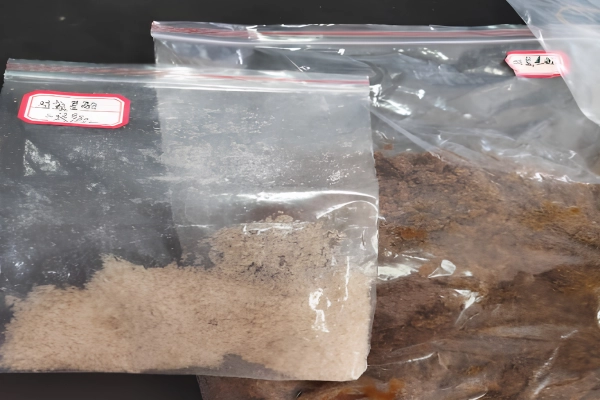
Esto resume el verdadero valor de los experimentos a escala de laboratorio. No se limitan a proporcionar un indicador estático de pureza, sino que registran la evolución dinámica del material a lo largo de las fases de fusión, nucleación, crecimiento, drenaje y sudoración. Solo mediante un análisis exhaustivo de estos fenómenos podrá la posterior optimización del proceso pasar de un ajuste empírico de los parámetros a una modificación sistemática de las condiciones basada en datos.