What Is Silicon (Si)?

목차

Definition

Silicon (Si) is a chemical element belonging to Group IVA (Group 14) of the periodic table with an atomic number of 14 and an atomic weight of 28.0855. It occurs in both amorphous and crystalline forms and is one of the most abundant elements found in the Earth’s crust.

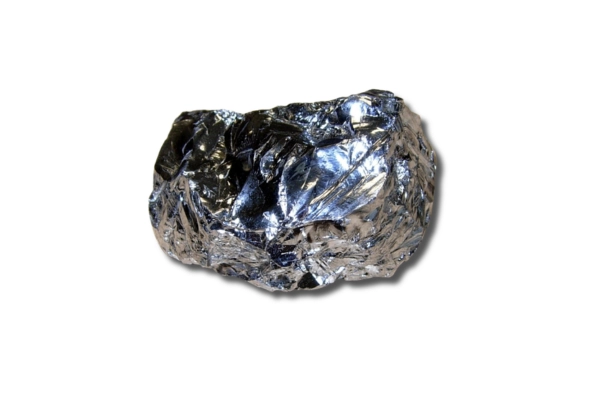
Crystalline silicon is gray-black in appearance, hard, lustrous, and exhibits semiconductor properties. Because of its unique electrical characteristics, silicon is often classified as a metalloid, possessing properties intermediate between metals and nonmetals.

Silicon (Si)

Physical and Chemical Properties

Silicon has several characteristics that make it important in both traditional industries and advanced technologies.

Key properties include:

  • Atomic number: 14
  • Atomic weight: 28.0855
  • Exists in crystalline and amorphous forms
  • Density: approximately 2.33 g/cm³
  • Melting point: 1410°C
  • Boiling point: 2355°C
  • Principal valence state: +4

Chemically, silicon becomes more reactive at elevated temperatures and can combine with various elements to form a wide range of compounds.

Silicon is insoluble in water, nitric acid, and hydrochloric acid, but it can dissolve in hydrofluoric acid and alkaline solutions.

Occurrence and Natural Sources

Silicon is one of the most abundant elements in nature and accounts for a significant portion of the Earth’s crust.

It is rarely found in elemental form and mainly occurs as:

  • Silicon dioxide (SiO₂)
  • Silicates
  • Mineral compounds containing silicon and oxygen

Due to its strong affinity for oxygen, silicon is commonly present in rocks, sand, and many naturally occurring minerals.

Trace amounts of silicon compounds can also be found in certain plants, animal hair, feathers, and other biological materials.

Industrial Relevance

The industrial importance of silicon extends far beyond its role as a chemical element.

Historically, silicon has been used in alloy production, including high-silicon cast iron and silicon steel, where it contributes to strength, magnetic performance, and corrosion resistance.

Today, silicon is best known as one of the most important semiconductor materials. Polycrystalline silicon and single-crystal silicon are widely used in electronic devices, rectifiers, power semiconductors, integrated circuits, and solar cells.

Compared with polycrystalline materials, single-crystal silicon offers superior electrical performance and is therefore widely utilized in high-performance electronic applications.

Production of Industrial and High-Purity Silicon

Industrial silicon is commonly produced through the reduction of silicon dioxide-containing materials.

Amorphous silicon can be obtained through reduction processes involving silica, while higher-purity silicon requires additional purification steps.

Ultra-high-purity silicon, often reaching purity levels of multiple “nines,” is produced through specialized refining technologies. These materials are essential for semiconductor manufacturing and photovoltaic applications where impurity control is critical.

The production of electronic-grade silicon typically involves multiple purification and conversion stages to achieve the required material specifications.

Organosilicon Compounds

One of the most commercially important branches of silicon chemistry is organosilicon technology.

Organosilicon compounds are widely used in the manufacture of:

  • Silicone products
  • Electrical insulation materials
  • Release agents
  • Water-repellent coatings
  • Polishing agents
  • Lubricants
  • Personal care and cosmetic products

Their versatility has made silicon chemistry an important part of modern chemical manufacturing.

Related Terms

  • Silane (SiH₄)
  • Silicon Dioxide (SiO₂)
  • Polysilicon
  • Organosilicon Compounds
  • Semiconductor Materials
  • Solar Cell Materials

관련 라이선스 기술 및 장비

화학 공정 솔루션

애플리케이션

지속 가능성

메시지 보내기

반응 및 분리 전문, 저탄소 기술 파트너

도겐-화학-공정-회사

문의하기

고객의 요구 사항을 충족하기 위해 최선을 다합니다.