정의
Propylene carbonate is a colorless, odorless organic compound with the molecular formula C₄H₆O₃. It is a cyclic carbonate widely used as a polar aprotic solvent in industrial applications.
Due to its high dielectric constant and chemical stability, it is particularly important in electrochemical systems such as lithium-ion batteries.
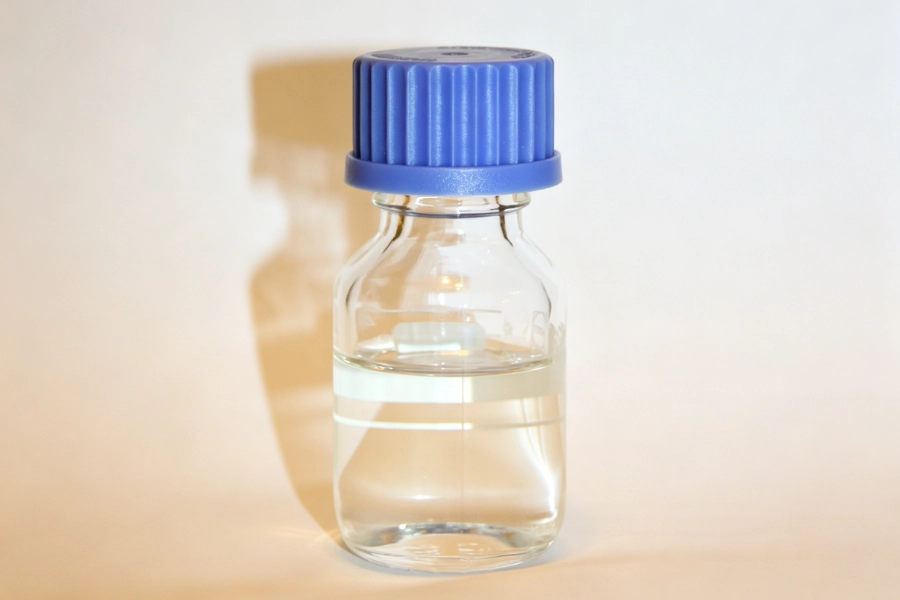
물리적 및 화학적 성질
Propylene carbonate is characterized by strong polarity and thermal stability.
주요 특징은 다음과 같습니다:
- Molecular weight: 102.09
- Density: ~1.204 g/cm³ (20°C)
- Melting point: ~-49.2°C
- Boiling point: ~238.4°C
- High dielectric constant
- Strong CO₂ absorption capacity
- Miscible with water and many organic solvents
Its high polarity and low volatility make it suitable for systems requiring stable solvent performance under wide temperature ranges.
산업 분야 적용
Propylene carbonate is widely used as a functional industrial solvent.
Main applications include:
- Lithium-ion battery electrolyte systems
- Electrolyte solvent and co-solvent formulations
- Plasticizer in polymer systems
- Textile and dyeing auxiliary agent
- CO₂ capture and gas absorption processes
- Chemical intermediates in organic synthesis
In battery systems, propylene carbonate is commonly used as part of mixed solvent systems to improve ionic conductivity and electrochemical stability.
생산 기술
Industrial production of propylene carbonate is mainly based on the reaction between propylene oxide and carbon dioxide.
Typical process routes include:
- Catalytic reaction of propylene oxide with CO₂
- High-pressure carbonylation processes (150–160°C, ~5 MPa conditions)
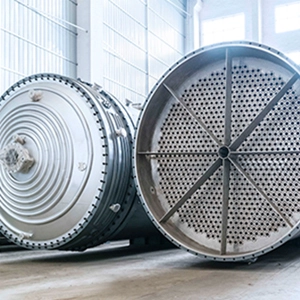
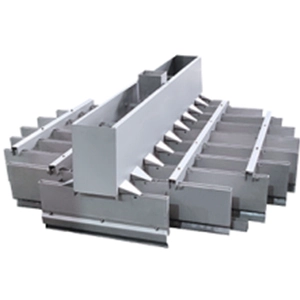
- Purification through distillation and separation systems
This process is considered an important example of CO₂ utilization chemistry, converting greenhouse gas feedstock into valuable industrial chemicals.
엔지니어링 고려 사항
From a process engineering perspective, propylene carbonate systems require attention to:
반응 효율성
Catalyst performance and CO₂ conversion efficiency directly affect yield and economics.
Purity Control
Impurities can impact electrochemical performance in battery applications.
Process Stability
High-pressure reaction conditions require robust reactor design and control systems.
플랜트 운영 및 취급
In industrial operations, propylene carbonate is generally considered a stable solvent, but process control is still important.
Operational considerations include:
- High-pressure reactor safety in production stage
- Moisture control in battery-grade applications
- Distillation system efficiency for purification
- Material compatibility in storage and transfer systems
Due to its low volatility, handling risks are lower compared to many organic solvents, but purity control is critical for high-end applications.
관련 화학물질
- 에틸렌 카보네이트 (EC)
- 디메틸 카보네이트 (DMC)
- Diethyl Carbonate (DEC)
- Lithium-ion battery electrolytes
- Carbon dioxide utilization systems