헥사메틸렌디아민(HMDA)은 C1과 C6 위치에 1차 아민이 있는 주요 선형 지방족 디아민입니다. 나일론-6,6 생산의 핵심 모노머로서 에폭시/폴리우레탄 경화제, 코팅제, 접착제, 부식 억제제 및 특수 수지에도 사용됩니다. 두 개의 말단 1차 아민에 의해 구동되는 높은 반응성으로 인해 높은 유리 전이 온도(high-Tg) 및 고강도 폴리아미드를 형성할 수 있어 자동차, 전자 및 전기(E&E), 섬유 및 산업 분야에서 없어서는 안 될 필수 소재입니다.
I. HMDA란?
- 화학적 정체성
- 화학식 C₆H₁₆N₂인 헥사메틸렌디아민(HMDA)은 C1과 C6에 1차 아민이 있는 선형 지방족 디아민입니다.
- 물리적 특성: 무색에서 담황색 액체 또는 저융점 고체, 아민 냄새, 끓는점 ~204°C, 녹는점 ~42°C, 물 및 많은 유기 용매와 혼합 가능.
- 별칭
- 1,6-다이아미노헥산, HMD 또는 헥사메틸렌 디아민이라고도 합니다.
- 업계에서는 짧은 형태(HMDA/HMD)가 주로 사용되며, 학계 및 IUPAC 텍스트에서는 구조적 명확성을 위해 “1,6-디아미노헥산”을 선호합니다.
- 용도 및 중요성
- 주요 응용 분야: 모노머가 아디프산과 결합하여 나일론-6,6(HMDA의 단일 최대 수요처)을 형성합니다.
- 기타 용도: 에폭시/PU 경화제, 코팅제, 접착제, 부식 방지제, 유전 화학물질 및 특수 수지.
- 주요 이점: 두 개의 말단 1차 아민은 디아세트산/디이소시아네이트에 대한 높은 반응성을 유도하여 고-Tg, 고강도 폴리아미드 및 가교 시스템을 가능하게 합니다.
II. 글로벌 시장
시장 개요
2025년 글로벌 HMDA 시장 규모는 방법론과 등급 범위에 따라 62억~79억 달러로 보고되고 있습니다:
- 78억 9,000만 달러(산업 등급, 데이터 인사이트 시장: https://www.datainsightsmarket.com/reports/industrial-grade-hexamethylenediamine-1123762)
- 62억 달러(LinkedIn 시놉시스: https://www.linkedin.com/pulse/global-hexamethylenediamine-hmda-market-growth-e-commerce-b8lbe/)
- 대부분의 소식통은 나일론-6,6 및 첨단 소재 수요에 힘입어 2030년까지 한 자릿수 중반에서 두 자릿수 초반의 연평균 성장률을 예상합니다(GMI Insights: https://www.gminsights.com/industry-analysis/hexamethylenediamine-market).
글로벌 HMDA 시장 점유율(2024-2025년 추정치)
지역별 분석
동인은 자동차, E&E, 섬유, 인프라 설비 투자에 따라 다릅니다. 나일론 6,6 엔지니어링 플라스틱 및 섬유 분야에서 중국의 규모는 매우 중요합니다.
| 지역 | 점유율(예상) 2024-2025 | 주요 동인 |
|---|---|---|
| 아시아 태평양 | 45-50% | 중국 나일론-6,6, 섬유, E&E, EV 부품 |
| 북미 | 25-30% | 자동차, 산업용 나일론, 통합 ADN |
| 유럽 | 15-20% | 엔지니어링 플라스틱, 규정 중심의 품질 관리 |
| RoW | 5-10% | 신흥 산업화 |
애널리스트 추정치는 GMI 인사이트 및 ChemAnalyst 가격 모니터링을 포함한 공개 출처에서 삼각 측량한 것입니다(https://www.chemanalyst.com/Pricing-data/hexamethylene-diamine-1655).
무역 및 공급망
HMDA 흐름은 나일론-6,6 폴리머와 업스트림 아디포니트릴(ADN)의 가용성을 추적하고 통합을 통해 수입 의존도를 줄입니다. 물류에는 부식 방지 탱크, 아민 호환 씰, 운송 중 결정화를 방지하기 위한 온도 제어가 필요합니다.
수요 동인
- 자동차 경량화, E&E 소형화 및 내열 부품.
- 스마트 섬유와 EV 열 관리로 나일론 6,6 사양을 높였습니다.
- 지속 가능성 정책은 저탄소 ADN/HMDA와 순환 나일론으로 나아가고 있습니다.
규제 영향
VOC/아민 배출, REACH 및 작업자 노출 규정 강화로 순도 및 공정 안전 요건이 높아졌습니다. EU/미국의 탄소 정책은 저탄소 수소 및 전기 지역에 유리하게 작용하여 생산시설의 위치를 바꿀 수 있습니다.
III. 가치 사슬
업스트림
핵심 공급 원료: 아디포니트릴(ADN), 수소, 암모니아, 촉매(Ni/Co/Cu 기반), 워크업용 용매.
부타디엔 기반 경로 또는 아크릴로니트릴의 전기수소이합체화를 통해 생산되는 ADN은 순도 및 미량 금속 제어가 수소화 선택성에 큰 영향을 미칩니다.
미드스트림
HMDA 생산: 암모니아가 있는 상태에서 ADN을 촉매로 수소화하여 이민/아미노니트릴을 형성한 다음 HMDA로 완전 수소화합니다.
정제: 증류 및/또는 결정화를 통한 상 분리, 세척, 탈색 및 고순도 마무리.
다운스트림
- 나일론-6,6염(HMDA + 아디핀산), 섬유, 수지, 필름 및 컴파운딩.
- 기타 용도: 에폭시/PU 경화제, 종이 습윤성 수지, 윤활제, 부식 방지제, 이온 교환 수지.
C하인 스케치
암모니아/H₂/ACN/BDN → ADN → HMDA → 나일론-6,6/중간체 → 자동차, E&E, 섬유, 산업재.
도전과 기회
- 병목 현상: ADN 농도, 수소 가용성/비용, 에너지 변동성, 특수 물류.
- 기회: ADN 또는 C6 백본에 대한 바이오 기반 경로, 원형 나일론-6,6 해중합, 저탄소 유틸리티 통합.
IV. 생산 기술
주요 노선
- 아디포니트릴의 수소화: 업계 표준, 이차 아민을 억제하기 위해 최적화된 촉매와 암모니아로 높은 선택성을 제공합니다.
- 연구 중인 대안: 환원성 아민화를 통한 1,6-헥산디올/헥산디온의 전기화학 또는 촉매 경로, 연속 흐름을 통한 공정 강화 수소화.
정제 방법 비교
HMDA 정제 방법 비교
용융 결정화 기본 사항
원리: HMDA 상도를 활용하여 용융물에서 순수한 HMDA를 결정화하여 고비점/저비점 불순물, 색체 및 이차 아민을 제거합니다.
사용 이유: 심진 증류보다 적은 용매 사용량과 낮은 에너지로 폴리머 등급의 순도를 달성합니다.
용융 결정화 단계
- 사료 전처리: 탈수, 광택 필터링, 탈색으로 오염을 줄입니다.
- 용융 및 균질화: 녹는점 이상의 제어된 과열에서 안정화합니다.
- 핵 형성/씨앗: 냉각된 표면에서 또는 미세 제어를 통해 결정을 시작합니다.
- 결정 성장: 냉각을 제어하여 고순도 결정층을 형성합니다.
- 발한: 체온을 약간 높여 막힌 모액을 배출합니다.
- 크리스탈 세척: 녹인 순수 HMDA의 일부를 사용하여 불순물을 제거합니다.
- 용융 및 연마: 결정 재용해, 최종 미세 여과 또는 이온 처리.
산업용 애플리케이션
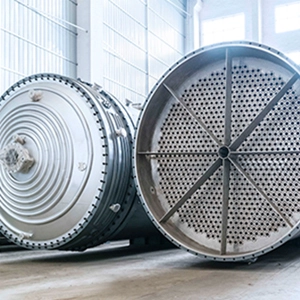
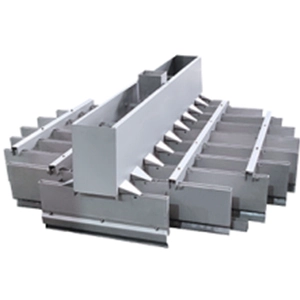
- 일반적으로 낙하 필름 또는 정적 층 결정화기로 구현되며, 나일론-6,6 염 플랜트 크기의 모듈식 열차.
- 통합: 분별 증류로 정밀 가공하고 용융 결정화로 마무리하는 하이브리드 방식으로 에너지와 처리량의 균형을 맞춥니다.
- 운영 초점: 오클루전 제한을 위한 열유속 제어, 오염 방지 주기, 엔드포인트 제어를 위한 온라인 PAT(라만/FTIR).
직접 최적화 참고 사항: 시드 비율을 높이고 땀을 흘리는 램프를 확장하여 에너지를 최대 15%까지 줄였습니다. 트레이드오프는 오클루전으로, 중간 보류로 내포물을 완화하는 2단계 성장으로 해결했습니다.
| 정화 방법 | 순도(폴리머 등급) | 에너지 사용 | 솔벤트 사용 | 일반적인 한도 |
|---|---|---|---|---|
| 용융 결정화 | 매우 높음 | 보통에서 낮음 | 최소 | 정밀한 열 제어 필요 |
| 증류 | 높음(다중 열) | 높음(진공/환류) | 없음 | 컬러 바디/클로즈드 보일러의 도전 과제 |
| 용매 추출 | 중간에서 높음 | Medium | 높음 | 용제 회수, EHS 부담 |
V. 트렌드와 과제
- 새로운 트렌드
- 친환경 H₂, 재생 가능한 전력, 바이오/전기 경로를 통해 저탄소 HMDA로 전환하고 ADN/C6 중간체를 사용합니다.
- 전기차, 5G 인프라, 고열 폴리아미드 및 특수 수지를 필요로 하는 스마트 섬유에서 수요가 증가하고 있습니다.
- 품질 안정화 및 특정 에너지 절감을 위한 디지털 트윈 및 APC/PAT 도입.
- 주요 과제
- 공급원료 변동성(ACN, 부타디엔, 암모니아, H₂) 및 지역별 에너지 가격 분산.
- 통합 ADN 용량은 시스템 리스크를 증가시키고, 계획되지 않은 중단은 HMDA/나일론 체인을 통해 파급됩니다.
- 환경 및 작업자 노출 규제가 강화되면 규정 준수와 자본 지출이 증가합니다.
- Outlook
- 아시아 태평양 지역이 완만한 성장을 주도하고, 북미/유럽은 통합과 탈탄소화를 강조할 것으로 예상됩니다.
- 공정 강화(연속 수소화 + 용융 결정화) 및 순환 나일론 프로그램은 생산업체를 차별화할 것입니다.
- ADN/HMDA 통합과 지역 탄력성을 중심으로 M&A 및 합작 투자가 이루어질 가능성이 높습니다.