Definition
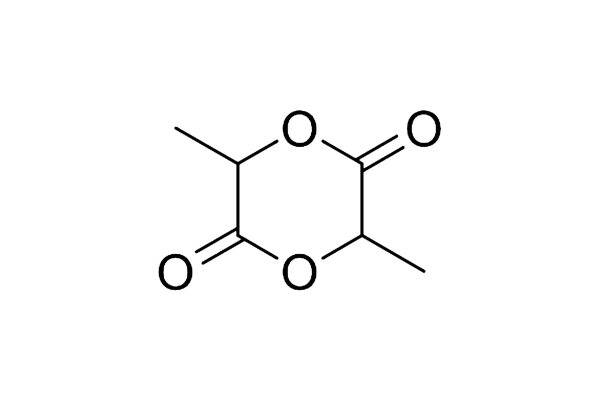
Lactide is a cyclic diester formed through the condensation of two molecules of α-hydroxy acids, most commonly lactic acid. During the reaction, two molecules of water are removed, producing a six-membered heterocyclic compound.
Among various lactides, the most commercially important is derived from lactic acid and serves as a key intermediate in the production of polylactic acid (PLA).
Chemical Structure and Properties
Lactide belongs to the family of cyclic esters and contains a six-membered ring structure with two ester groups.
Las características clave incluyen:
- Cyclic diester structure
- Derived from α-hydroxy acids
- Six-membered heterocyclic compound
- Reactive toward hydrolysis
- Important polymerization intermediate
A notable feature of lactide is its reversible relationship with lactic acid. Under appropriate conditions, lactic acid can be converted into lactide through dehydration and cyclization, while lactide can hydrolyze back to its original α-hydroxy acid structure in the presence of water.
Formation and Production
Lactide is typically produced from lactic acid through a multi-step process involving oligomer formation, dehydration, and cyclization.
A simplified route is:
Lactic Acid
↓
Oligomer Formation
↓
Cyclization
↓
Látex
The purity of lactide is particularly important because it directly affects downstream polymerization performance and final polymer quality.
Industrial production often requires careful control of temperature, residence time, and purification conditions to obtain high-purity lactide suitable for polymer manufacturing.
Industrial Significance
Lactide is primarily valued as the principal monomer used in the manufacture of polylactic acid (PLA).
Compared with direct polycondensation routes, lactide-based polymerization can produce PLA with higher molecular weight and improved material performance. For this reason, lactide has become a critical intermediate in modern PLA production technology.
Its role within the PLA value chain makes it one of the most important bio-based chemical intermediates in biodegradable plastics manufacturing.
Industrial Applications
PLA Manufacturing
The largest application of lactide is as a feedstock for PLA production.
Through ring-opening polymerization, lactide can be converted into high-performance PLA resins used in:
- Packaging materials
- Consumer products
- Medical applications
- Biodegradable plastics
Bio-Based Materials
As demand for renewable and biodegradable materials continues to grow, lactide has become an important building block for sustainable polymer systems.
Its renewable origin and compatibility with industrial polymerization technologies make it attractive for large-scale material production.
Safety and Processing Considerations
Lactide is sensitive to moisture and hydrolysis.
For manufacturers, controlling water content during production, storage, and transportation is essential to maintain product purity and polymerization performance.
Process engineers often focus on:
- Moisture control
- Pureza del producto
- Temperature management
- Polymerization efficiency
- Storage stability
These factors directly influence the quality of downstream PLA products.
Related Terms
- Lactic Acid
- Ácido poliláctico (PLA)
- Ring-Opening Polymerization
- Biodegradable Polymers
- Polimerización