How Sodium Cyanide Is Produced in Industrial Plants
Sodium cyanide production is implemented as a closed, continuously monitored process designed to control hydrogen cyanide generation and prevent uncontrolled release. Industrial systems integrate gas-phase synthesis, liquid neutralization, crystallization, and solid handling into a unified production chain.
HCN Generation and Handling
Hydrogen cyanide is typically produced via the Andrussow process, where methane, ammonia, and oxygen react over a platinum–rhodium catalyst at temperatures above 1,000 °C. The reaction produces HCN gas that must be rapidly quenched within milliseconds to prevent decomposition.
From a design perspective, rapid quenching and sealed transfer are required because HCN is both highly toxic and thermally unstable. Industrial systems therefore use corrosion-resistant pipelines and fully enclosed gas routing to maintain process integrity.
Neutralization and Solution Formation
Hydrogen cyanide is absorbed into sodium hydroxide solution to form sodium cyanide. This reaction is typically maintained at controlled temperatures below 40 °C and under alkaline conditions to suppress HCN volatilization.
The stability of this stage depends on precise pH control, typically above 11, and controlled residence time. Any deviation in alkalinity can shift equilibrium toward HCN release, which directly defines reactor design requirements.
Crystallization and Solid Processing
The sodium cyanide solution is concentrated and crystallized through evaporative or vacuum crystallization. Operating temperatures and pressures are controlled to prevent decomposition and secondary gas formation.
Crystallization design must ensure stable supersaturation levels and controlled crystal growth. Poor thermal control or local concentration gradients can increase the risk of cyanide decomposition and gas evolution.
Drying and Packaging
Solid sodium cyanide is separated, dried, and packaged under enclosed and inert conditions. Moisture ingress must be avoided because hydrolysis of NaCN can generate hydrogen cyanide.
Drying systems are typically integrated with inert gas protection such as nitrogen blanketing to maintain low humidity and prevent secondary reactions.
Key Equipment Used in Sodium Cyanide Production
The safety and reliability of a sodium cyanide production line depend on the integration of equipment designed to operate under corrosive and toxic conditions.
Neutralization Reactor System
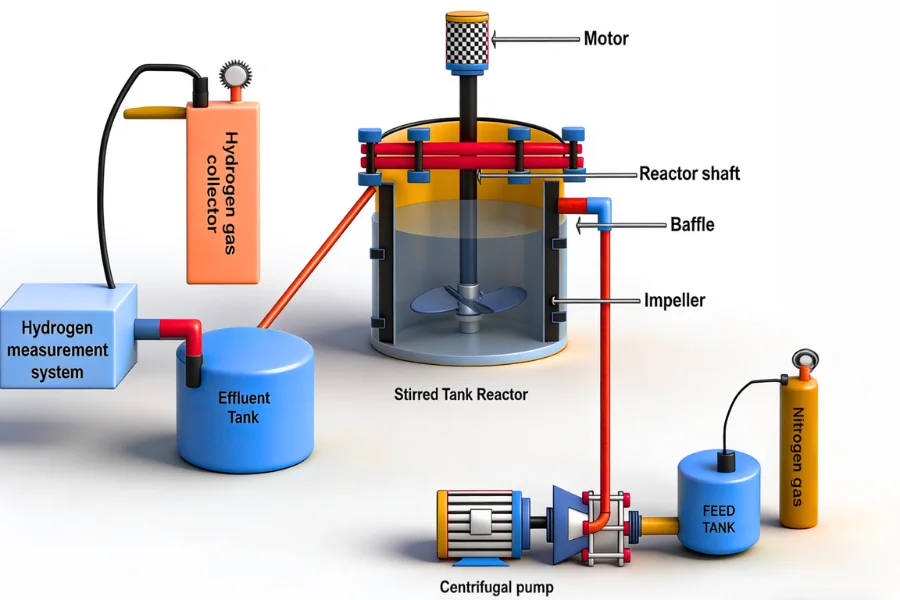
The neutralization reactor must maintain chemical stability while preventing any gas leakage. Materials such as Hastelloy, titanium, or PTFE-lined steel are typically used due to their resistance to cyanide corrosion.
Magnetic drive agitators are preferred because they eliminate dynamic seals, which are a primary leakage pathway in conventional reactor designs. In practice, reactor systems are equipped with continuous monitoring of temperature, pressure, and pH, all linked to centralized control systems.
From an engineering perspective, the selection of a magnetically sealed system is not optional but a risk control requirement, as even minor leakage can result in hazardous exposure.
Crystallization System
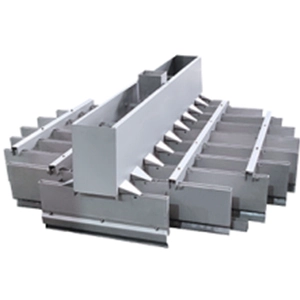
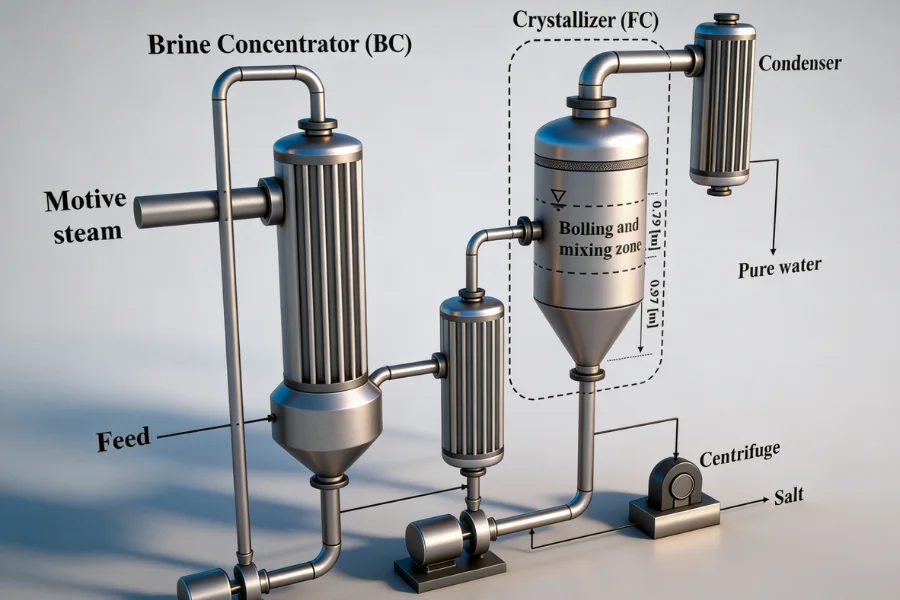
Crystallization systems determine product quality and operational stability. Forced circulation and draft tube baffle crystallizers are commonly applied to maintain controlled crystal size distribution and prevent fouling.
Internal surface finish is typically controlled to reduce scaling, as material buildup can disrupt heat transfer and create localized decomposition zones. These design considerations directly influence both safety and product consistency.
Solid Handling and Packaging System
Solid handling is fully automated to reduce human exposure to toxic material. Enclosed conveying systems, automated weighing, and sealed packaging lines are standard configurations.
Packaging operations are often conducted under nitrogen atmosphere or vacuum conditions. This design minimizes moisture ingress and prevents the formation of hydrogen cyanide during handling.
Gas Handling Systems for Cyanide Production Safety
Gas containment and treatment systems define the overall safety performance of a sodium cyanide plant. Hydrogen cyanide concentrations as low as 5 mg/m³ represent occupational exposure limits, while concentrations above 25 mg/m³ are considered immediately dangerous to life or health.
HCN Absorption and Scrubbing Units
Scrubbing systems are used to capture residual hydrogen cyanide from process streams. Alkaline scrubbers convert HCN into cyanide salts, preventing atmospheric release.
Industrial designs typically include multi-stage absorption systems with continuous monitoring of outlet concentrations. Redundancy is often implemented to ensure performance under upset conditions.
Negative Pressure Ventilation Design
Production units are maintained under negative pressure to ensure that any leakage is directed inward toward treatment systems rather than outward into the environment. This design principle defines airflow management across the entire facility.
Gas Detection and Alarm System
Continuous gas detection systems are installed across reactors, storage areas, and packaging zones. Detection ranges typically cover 0–50 ppm for hydrogen cyanide, with alarm thresholds linked to automated shutdown systems.
From a system design standpoint, gas detection is not only a monitoring function but also an active control trigger within the plant safety architecture.
Materials That Resist Cyanide Corrosion
Material selection directly determines long-term system reliability in cyanide environments. Sodium cyanide solutions and hydrogen cyanide gas can degrade standard materials, leading to equipment failure and leakage.
Common material choices include:
- Hastelloy for high corrosion resistance in aggressive chemical environments
- Titanium for structural durability and chemical stability
- PTFE or glass-lined steel for inert surfaces in contact with process fluids
Material compatibility must be verified across all wetted surfaces and gas-contact components. Inconsistent material selection can create weak points that compromise system containment.
Automation and Safety Control Systems in NaCN Plants
Automation reduces human exposure and ensures stable operation under hazardous conditions.
DCS Control Architecture
Distributed control systems regulate key process variables, including temperature, pressure, flow, and liquid levels. Continuous monitoring allows real-time adjustment and ensures process consistency.
SIS and Emergency Shutdown
Safety Instrumented Systems operate independently of process control systems and are designed to trigger emergency shutdown when predefined safety limits are exceeded.
These systems are typically configured to respond to:
- High temperature or pressure deviations
- Gas detection alarms
- Loss of containment events
Process Interlocks and Alarms
Interlock systems enforce safe operating sequences by preventing unsafe combinations of process conditions. For example, feed systems can be automatically isolated if gas detection thresholds are exceeded.
Such interlocks are fundamental to preventing escalation of abnormal operating conditions.
Why Cyanide Chemistry Drives Safety Design
The design of sodium cyanide production systems is determined by the chemical behavior of cyanide compounds.
Sodium cyanide reacts with acids to release hydrogen cyanide gas. It also undergoes hydrolysis in the presence of moisture, generating HCN over time. These reactions define the requirement for strict pH control, moisture exclusion, and fully enclosed systems.
In addition, cyanide toxicity results from inhibition of cellular respiration, which means even low-level exposure can have severe consequences. This characteristic establishes the need for continuous monitoring and rapid response systems.
Waste Treatment Systems in Sodium Cyanide Plants
Cyanide-containing waste streams must be treated before discharge. Industrial processes typically use oxidation methods to convert cyanide into less hazardous compounds.
Common treatment methods include:
- Hydrogen peroxide oxidation
- Sulfur dioxide with copper catalyst systems
- Combined oxidation processes for higher conversion efficiency
Effluent treatment systems are designed to meet regulatory discharge limits and prevent environmental contamination.
Storage and Emergency Systems for Cyanide Facilities
Storage systems are designed to prevent moisture ingress, chemical degradation, and accidental release.
Solid sodium cyanide is stored in dry, ventilated environments with humidity control. Liquid storage systems include secondary containment, high-level alarms, and emergency isolation valves.
Emergency systems are distributed throughout the facility and include:
- Eyewash and safety shower stations within operational distance
- Personal protective equipment for immediate response
- Emergency gas treatment systems for leak containment
These systems are integrated into the overall plant design to ensure rapid response capability.
Key Design Rules for Safe Sodium Cyanide Production
Safe sodium cyanide production is achieved through a combination of chemical understanding, equipment design, and system integration.
Key design principles include:
- Maintaining alkaline conditions to suppress hydrogen cyanide formation
- Ensuring full enclosure of all process equipment and transfer systems
- Prioritizing automation to minimize human exposure
- Integrating gas detection and treatment into the core process design
A sodium cyanide plant must be evaluated as a complete system rather than a collection of individual equipment units.
Building a Safer Sodium Cyanide Production System
Sodium cyanide production requires a coordinated approach that aligns process design, equipment selection, and safety systems. The objective is to control risk at the source rather than relying on downstream mitigation.
In industrial practice, engineering partners such as 도겐 integrate reaction systems, crystallization units, gas handling systems, and automation architectures into a unified production solution. This approach ensures that safety, efficiency, and regulatory compliance are addressed simultaneously.
The selection of an experienced engineering partner is therefore a strategic decision that directly influences long-term operational stability and risk control in sodium cyanide production facilities.