التعريف
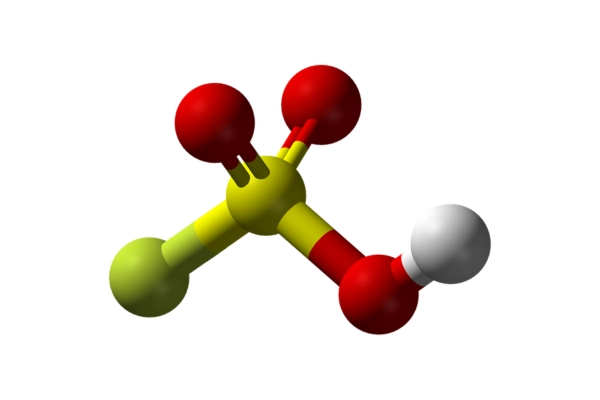
حمض الفلوروسلفونيك (FSA)، المعروف أيضًا باسم حمض الفلوروسلفوريك، هو حمض غير عضوي شديد التآكل، وصيغته الكيميائية هي FSO₃H، ووزنه الجزيئي 100.06.
وهو سائل عديم اللون يُعرف بحموضته الشديدة للغاية وتفاعليته الكيميائية العالية. يُعتبر حمض الفلوروسلفونيك على نطاق واسع أحد أقوى الأحماض ذات الأهمية التجارية، ويُستخدم ككاشف كيميائي وكمحفز صناعي على حد سواء.
نظرًا لقدرته الاستثنائية على التبرع بالبروتونات، يلعب حمض الفلوروسلفونيك دورًا مهمًا في العديد من عمليات التخليق الكيميائي والعمليات التحفيزية.
الخصائص الفيزيائية والكيميائية
يتميز حمض الفلوروسلفونيك بعدة خصائص مميزة تميزه عن الأحماض المعدنية التقليدية.
وتشمل الخصائص الرئيسية ما يلي:
- الصيغة الكيميائية: FSO₃H
- الوزن الجزيئي: 100.06
- سائل عديم اللون
- حموضة شديدة للغاية
- مستقر عند درجات الحرارة المرتفعة
- شديد التآكل
- يتفاعل بقوة مع الماء
وفقًا للمراجع الكيميائية التقليدية، يظل حمض الفلوروسلفونيك مستقرًا حتى عند درجات حرارة عالية جدًّا. وفي الهواء الرطب، ينتج أبخرة، بينما في درجة حرارة الغرفة يمكن أن يتفاعل مع الزجاج ويطلق منتجات غازية تدريجيًّا.
كما يتفاعل الحمض مع العديد من المواد، لذا يجب التعامل معه باستخدام معدات مقاومة للتآكل.
خصائص التفاعلية
تتمثل إحدى السمات المميزة لحمض الفلورو سلفونيك في تفاعليته العالية بشكل استثنائي.
يتفاعل المركب مع الماء في تفاعل طارد للحرارة عنيف، مما ينتج عنه فلوريد الهيدروجين وحمض الكبريتيك. كما يتفاعل مع الكحولات لتكوين الإسترات المقابلة مع إطلاق كميات كبيرة من الحرارة.
ونظرًا لهذا السلوك، فإن التحكم في الرطوبة يُعد عاملاً بالغ الأهمية خلال عمليات التخزين والنقل والمعالجة.
إن الجمع بين الحموضة القوية والقدرة على إزالة الماء يجعل حمض الفلوروسلفونيك محفزًا فعالًا للغاية في العديد من التفاعلات الصناعية.
الأهمية الصناعية
يُقدَّر حمض الفلوروسلفونيك في المقام الأول باعتباره محفزًا ووسيطًا للتفاعل، وليس كمنتج كيميائي بكميات كبيرة.
وتكمن أهميته الصناعية في قدرته على تحفيز التفاعلات الكيميائية الصعبة التي تتطلب ظروفًا حمضية شديدة القوة.
تصف المراجع الكيميائية التقليدية حمض الفلوروسلفونيك بأنه محفز مهم في:
- تفاعلات التجفيف
- الأسترة
- البلمرة
- السلفنة
- الإيزومرة
ونظرًا لفعاليتها التحفيزية، يمكن لكميات صغيرة نسبيًّا أن تؤثر بشكل كبير على أداء التفاعل وتكوين المنتج.
تطبيقات التصنيع الكيميائي
يُستخدم حمض الفلوروسلفونيك في تصنيع مجموعة متنوعة من المواد الكيميائية الصناعية.
وتشمل التطبيقات ما يلي:
- إنتاج المواد الكيميائية المتخصصة
- تصنيع الأصباغ
- التخليق الكيميائي الزراعي
- إنتاج المواد الوسيطة العضوية
إن خصائصه التحفيزية القوية تجعله مفيدًا في العمليات التي قد لا توفر فيها الأحماض المعدنية التقليدية النشاط أو معدلات التفاعل الكافية.
في كثير من الحالات، يؤثر اختيار المُحفز بشكل مباشر على العائد وكفاءة التحويل وجودة المنتج، مما يجعل حمض الفلوروسلفونيك مادة كيميائية مهمة في العملية.
طرق الإنتاج
تتضمن طرق الإنتاج التقليدية تفاعل فلوريد الهيدروجين مع ثالث أكسيد الكبريت في ظروف خاضعة للرقابة.
كما تصف المراجع الكيميائية طرق التحضير التي تتضمن مركبات الفلوريد وحمض الكبريتيك المتبخر.
ونظرًا لأن حمض الفلوروسلفونيك شديد التفاعل والتآكل، فإن أنظمة الإنتاج الصناعية تتطلب مراقبة دقيقة لظروف التفاعل، ومواد التصنيع، وإجراءات مناولة المنتج.
غالبًا ما يُعد التحكم في النقاء ومنع دخول الرطوبة من الاعتبارات المهمة أثناء التصنيع والتخزين.
اعتبارات السلامة
حمض الفلوروسلفونيك مادة كيميائية شديدة الخطورة تتطلب إجراءات مناولة صارمة.
تشمل المخاوف الرئيسية المتعلقة بالسلامة ما يلي:
- تآكل شديد
- تفاعل عنيف مع الماء
- انبعاث فلوريد الهيدروجين أثناء التحلل
- التبخر في البيئات الرطبة
- التحديات المتعلقة بتوافق المواد
تستخدم المنشآت الصناعية عادةً معدات متخصصة ومواد مقاومة للتآكل وبيئات تشغيل خاضعة للرقابة لتقليل مخاطر التعرض إلى أدنى حد ممكن.
يجب على الموظفين الذين يتعاملون مع حمض الفلورو سلفونيك الالتزام ببروتوكولات السلامة المناسبة واستخدام معدات الحماية الملائمة.
المصطلحات ذات الصلة
- حامض الكبريتيك
- فلوريد الهيدروجين
- ثلاثي أكسيد الكبريت
- السلفنة
- الأسترة
- محفز البلمرة