التعريف
المبخر هو جهاز صناعي يُستخدم لإزالة جزء من المذيب المتطاير من محلول سائل عن طريق التبخير. ويكون الهدف الأساسي عادةً هو تركيز المحلول، أو استرداد المذيب، أو تقليل حجم السائل، أو تحضير تيار مركّز لعمليات التبلور والفصل اللاحقة.
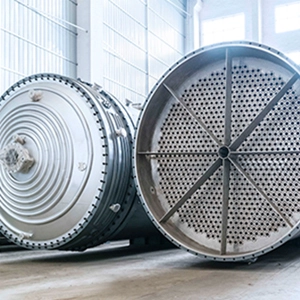
يتكون المبخر النموذجي من قسمين وظيفيين: أ غرفة التسخين, ، حيث تنتقل الحرارة إلى السائل ويحدث التبخر، و غرفة الفصل, ، حيث يتم فصل قطرات السائل المحمولة عن البخار المتولد.
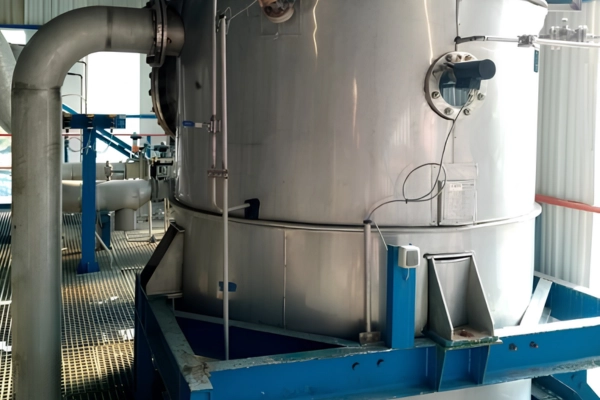
كيف يعمل المبخر؟
في غرفة التسخين، ينقل البخار أو أي وسيط تسخين آخر الطاقة الحرارية إلى السائل المستخدم في العملية. واعتمادًا على تصميم المبخر وظروف التشغيل، قد يحدث الغليان داخل أنابيب نقل الحرارة أو القنوات أو غرفة غليان مخصصة.
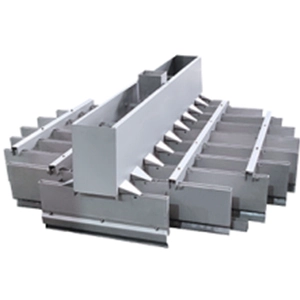
عادةً ما يحمل البخار المتولد قطرات سائلة إلى غرفة الفصل. ومع زيادة مساحة التدفق المتاحة وانخفاض سرعة البخار، قد تنفصل القطرات الأكبر حجمًا بفعل الجاذبية، في حين يمكن لأجهزة إزالة الضباب أو فواصل الجر إزالة القطرات الأصغر حجمًا.
ثم يتم تكثيف البخار المفصول، أو استرداده، أو إعادة استخدامه، أو إرساله إلى مرحلة المعالجة التالية. وفي ظل التشغيل بالفراغ، يساعد نظام الفراغ في الحفاظ على الضغط المنخفض وخفض درجة حرارة الغليان، وهو ما قد يكون مهمًا بالنسبة للمواد الحساسة للحرارة.
الأنواع الرئيسية للمبخرات
يمكن تصنيف المبخرات وفقًا لدوران السائل وتكوين النظام.
المبخرات ذات الدوران الطبيعي تعتمد بشكل أساسي على الاختلافات في الكثافة الناتجة عن التسخين وتكوّن البخار لتدوير السائل.
أجهزة التبخير ذات الدوران القسري تُستخدم المضخات للحفاظ على سرعة أعلى للسائل، وغالبًا ما يُنظر إليها كخيار مناسب للمحاليل اللزجة أو المعرضة للتلوث أو التي تتبلور.
المبخرات أحادية التأثير استخدم وسيط التسخين مرة واحدة، بينما أجهزة التبخير متعددة المراحل إعادة استخدام طاقة البخار بين المراحل لتقليل استهلاك البخار.
المبخرات ذات الأغشية المتساقطة توزيع السائل على شكل طبقة رقيقة على أسطح نقل الحرارة. ويجعلها وقت البقاء القصير فيها وكفاءة نقل الحرارة فيها مفيدة بشكل خاص للمواد الحساسة للحرارة والعمليات التي تتطلب تعريضًا حراريًا محكومًا.
اعتبارات اختيار المبخر
لا يقتصر اختيار المبخر على تحديد سعة التبخير المطلوبة فحسب. بل يتعين على المهندسين تقييم تركيز المادة المُغذية، ولزوجتها، وارتفاع درجة الغليان، والحساسية الحرارية، وميلها للتلوث، وتكوّن الرغوة، والانجراف، وسلوك التبلور، والتركيز النهائي المطلوب.
على سبيل المثال، قد يوفر المبخر ذو الغشاء المتساقط نقلًا فعالًا للحرارة للمواد الأولية ذات اللزوجة المنخفضة إلى المتوسطة، لكن سوء توزيع السائل قد يؤدي إلى ظهور مناطق جافة، وتبخر غير مستقر، وتراكم الترسبات في مناطق محددة. وقد يكون نظام الدوران القسري أكثر ملاءمة للتعامل مع المحاليل عالية اللزوجة أو القابلة للتبلور، على الرغم من أن متطلبات الضخ واستهلاك الطاقة تكون أعلى.
وبالتالي، فإن التصميم المناسب يعتمد على كيفية تغير خصائص السائل خلال عملية التركيز، وليس فقط على ظروف التغذية الأولية.
التشغيل الصناعي وتوسيع نطاق الإنتاج
قد يختلف أداء المبخر الصناعي عن التوقعات التصميمية بسبب الترسبات، أو التوزيع غير المستقر للسائل، أو زيادة اللزوجة، أو الانجراف، أو عدم كفاية فصل البخار عن السائل، أو التغيرات في معاملات نقل الحرارة.
يكتسب توسيع نطاق التشغيل أهمية خاصة في أنظمة الغشاء المتساقط. فقد تؤدي زيادة قطر المعدات وسعة الإنتاج إلى زيادة صعوبة التوزيع المتجانس للسائل، في حين أن فترات التشغيل الطويلة قد تؤدي إلى انخفاض تدريجي في أداء نقل الحرارة بسبب الترسبات التي تتراكم على أسطح نقل الحرارة.
وبالتالي، فإن التصميم الفعال للمبخر يتطلب التنسيق بين نقل الحرارة، وتوزيع السوائل، وفصل البخار عن السائل، ووقت البقاء، وضغط التشغيل.
التطبيقات الصناعية
تُستخدم المبخرات على نطاق واسع في صناعات الكيماويات والأغذية والأدوية ومعالجة مياه الصرف الصحي والمواد المتطورة. وتشمل التطبيقات النموذجية تركيز المحاليل، واستعادة المذيبات، وتقليل حجم مياه الصرف الصحي، وتحضير المواد الخام للتبلور، وتركيز المنتجات الحساسة للحرارة.
في أنظمة العمليات الكيميائية، يمكن أيضًا دمج المبخرات مع أجهزة التبلور والمكثفات وفواصل الغاز عن السائل ووحدات استرداد المذيبات. وبالنسبة لعمليات التبخير ذات الأحمال الكبيرة، يمكن النظر في استخدام التبخير متعدد التأثيرات أو إعادة ضغط البخار أو دمج حرارة العملية لتقليل استهلاك البخار.
المصطلحات ذات الصلة
- التبخر
- مبخر الغشاء المتساقط
- مبخر ذو دوران قسري
- التبخير متعدد المراحل
- التبخير بالفراغ
- ارتفاع درجة الغليان
- فصل البخار عن السائل
- التبلور