التحدي الذي يواجهه القطاع – لماذا تعتبر العمليات التقليدية مكلفة وغير فعالة
على مدى عقود، اتبعت صناعة المواد الكيميائية نمطًا تسلسليًّا يتمثل في “التفاعل أولاً، ثم الفصل لاحقًا”. حيث تُنجز المفاعلات عملية التحويل، بينما تتولى أعمدة التقطير عملية التنقية. وينتج عن ذلك مسار عملية طويل يتطلب استثمارات رأسمالية ضخمة واستهلاكًا كبيرًا للطاقة.
ويكمن التحدي الأكثر أهمية في القيود الديناميكية الحرارية. في الأنظمة القابلة للانعكاس مثل الأسترة والإيثرية والألكلة، تتواجد المواد المتفاعلة والنواتج معًا داخل المفاعل، مما يؤدي إلى اقتراب التفاعلات الأمامية والعكسية من حالة التوازن. وعادةً ما يقتصر التحويل في مرحلة واحدة على 60%-80%, ، في حين أن تراكم المنتجات الثانوية يؤدي إلى انخفاض مستمر في الانتقائية.
القيود المعتادة للـ“المفاعل + عمود التقطير”التكوين:
| مجال التحدي | المشكلات الشائعة |
|---|---|
| الاستثمار الرأسمالي | تتطلب المفاعلات وأعمدة التقطير المنفصلة مساحات كبيرة وأنظمة أنابيب معقدة |
| استهلاك الطاقة | لا يمكن الاستفادة من حرارة التفاعل بشكل فعال في عملية الفصل، مما يؤدي إلى ارتفاع الطلب على المرافق |
| التحكم في العمليات | يؤدي التحكم المشترك في نظامين مستقلين إلى زيادة التعقيد التشغيلي وإطالة دورات التشغيل والإيقاف |
تحت الضغط المزدوج المتمثل في أهداف خفض انبعاثات الكربون والطاقة الإنتاجية الزائدة في القطاع الصناعي، تطورت عملية تكثيف العمليات من مجرد خيار للتحسين إلى شرط أساسي لخفض التكاليف وتحسين الكفاءة.
المبدأ التقني – كيف يحقق التقطير التفاعلي معادلة “1 + 1 > 2”
المفهوم الأساسي بسيط وواضح:
تحدث التفاعلات الكيميائية وفصل المنتجات في آن واحد داخل العمود نفسه.
مع تكوّن المنتجات، يتم إزالتها باستمرار من منطقة التفاعل عن طريق التقطير، مما يدفع التوازن نحو اتجاه التفاعل الأمامي. وبالتالي، يمكن أن تقترب معدلات التحويل من أو يتجاوز 99%. وهذا يمثل تطبيقًا صناعيًّا فعالًا للغاية لمبدأ لو شاتيلييه.
ومع ذلك، فإن التنفيذ الناجح يتطلب توافقًا صارمًا بين العمليات:
- يجب أن تتوافق درجة حرارة التفاعل مع خصائص الغليان لمكونات النظام في ظل ضغط تشغيل العمود
- يجب أن يكون هناك تباين نسبي مناسب بين المواد المتفاعلة والنواتج
- يجب أن تكون المنتجات قابلة للإزالة من منطقة التفاعل عن طريق التبخير أو التكثيف في الوقت المناسب
لا تستوفي جميع أنظمة التفاعل هذه المتطلبات بشكل تلقائي. ولذلك، فإن إجراء تقييم دقيق للجدوى من الناحيتين الديناميكية الحرارية والحركية أمر ضروري خلال مرحلة التصميم المبكرة.
بالنسبة للأنظمة المتوافقة، يوفر التقطير التفاعلي ثلاثة تأثيرات رئيسية لتكثيف العملية:
تعزيز التوازن الكيميائي
يؤدي إزالة المنتج فورًا إلى كسر قيود التوازن وزيادة معدل التحويل في مرحلة واحدة بشكل كبير.
تأثير تكامل الطاقة
تساهم الحرارة المنبعثة من التفاعلات الطاردة للحرارة بشكل مباشر في عملية انتقال الكتلة بين الحالة السائلة والحالة البخارية داخل العمود، مما يقلل من عبء عمل جهاز إعادة التسخين واستهلاك الطاقة بشكل عام.
تأثير تكامل المعدات
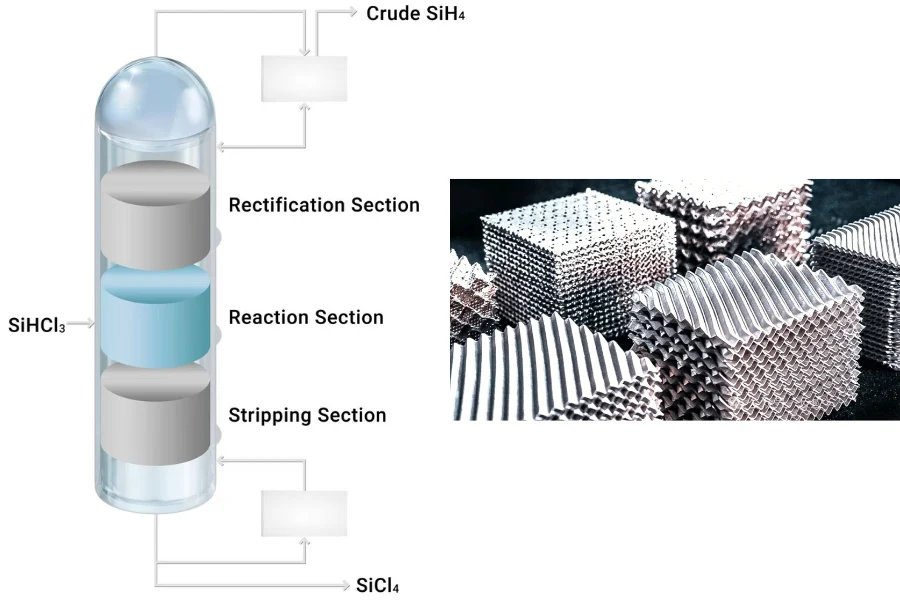
يحل عمود التقطير التفاعلي الواحد محل التكوين التقليدي المكون من “مفاعل + عمود تقطير”، مما يقلل من عدد المعدات والمساحة المطلوبة للتركيب.
[خط إنتاج DODGEN]
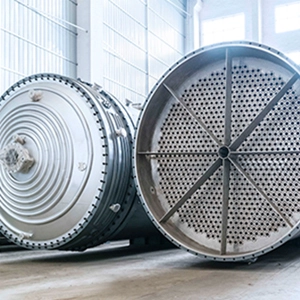
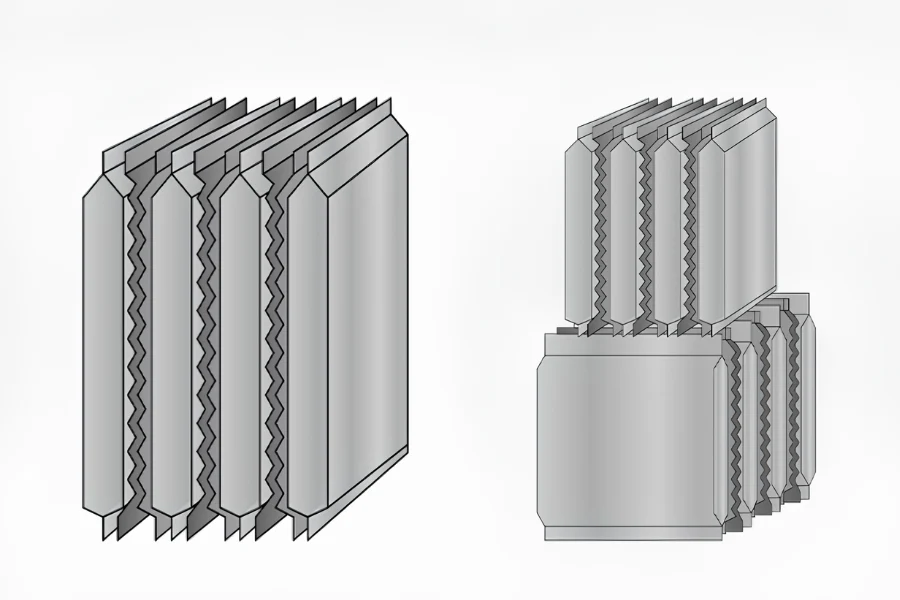
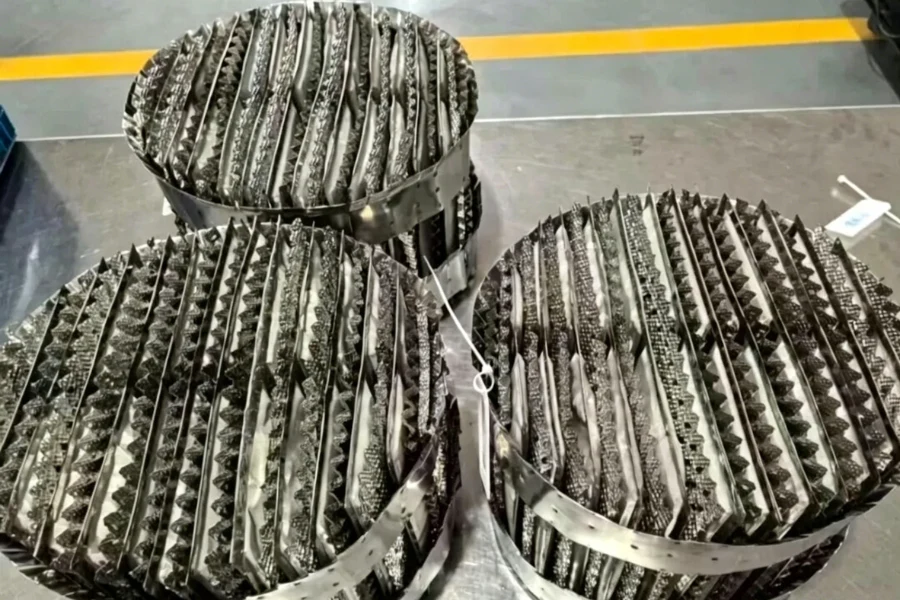
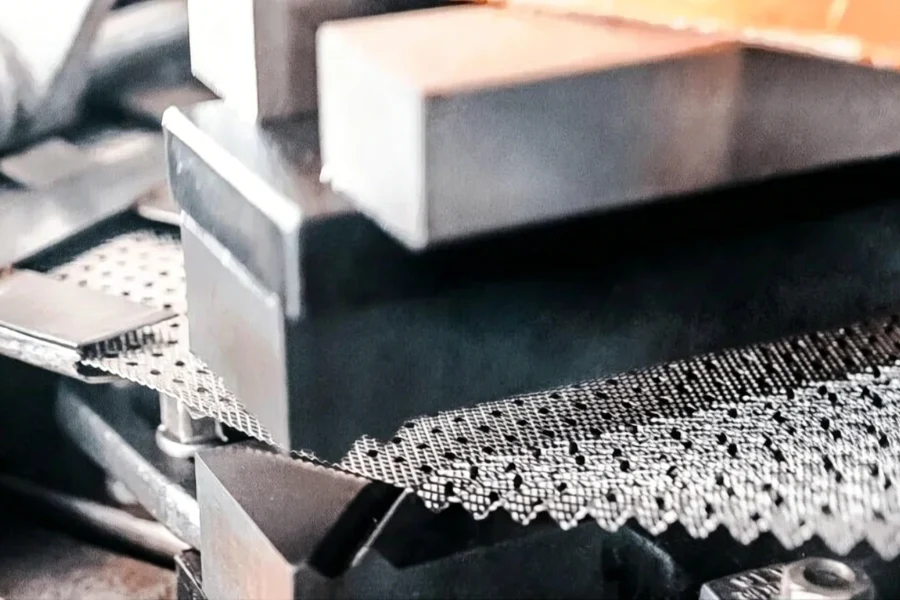
تم تطوير «دودجن» بشكل مستقل وحدات حشو التقطير التحفيزي دمج جزيئات المحفز بشكل متجانس داخل عناصر الحشو المنظمة، مما يتيح تصميمًا منسقًا للتفاعل ونقل الكتلة ونقل الحرارة. ويتكامل نظام المحفز تمامًا مع الأجزاء الداخلية للعمود لضمان كفاءة عالية في التلامس بين الغاز والسائل والصلب مع الحفاظ على أداء هيدروليكي ممتاز.
القدرات الأساسية لشركة «دودجن» – من الأجزاء الداخلية للأعمدة إلى هندسة الأنظمة المتكاملة
[الميزة الأساسية 01] مكونات داخلية متخصصة للتقطير التحفيزي
تُعد وحدات الحشو التحفيزي المهيكل من «دودجن» المكون الأساسي لأعمدة التقطير التفاعلي، وتتميز بالمزايا التالية:
- التوزيع المتجانس للمحفز
تضمن هياكل التغليف الحصرية تحميلًا متسقًا للمحفز مع تقليل ظاهرة «التوجيه» وسوء التوزيع إلى أدنى حد. - انخفاض ضغط منخفض
توفر هندسة القناة المفتوحة المُحسَّنة باستخدام ديناميكا الموائع الحسابية (CFD) انخفاضًا ملحوظًا في انخفاض الضغط لكل مرحلة نظرية مقارنةً بأنظمة الحشو العشوائي التقليدية. - كمية السائل المحتجزة القابلة للتحكم
يمكن ضبط الشكل الهندسي للعبوة بدقة بحيث يتوافق مع زمن بقاء السائل المطلوب لأنظمة تفاعل معينة. - أداء متوازن في التفاعل والفصل
يتيح التصميم المعياري إمكانية التهيئة المرنة لأقسام التفاعل والتصحيح. - استبدال المحفز بسهولة
تسمح الهياكل المعيارية المكونة من وحدات بإزالة الوحدات الفردية بشكل مستقل دون الحاجة إلى تفكيك قسم التعبئة بأكمله. ويمكن إتمام أعمال الصيانة بشكل تدريجي من خلال ممر الوصول، مما يقلل بشكل كبير من مدة التوقف عن التشغيل. كما تقلل بنية التغليف من تآكل المحفز وسحقه إلى أدنى حد، مما يطيل من العمر التشغيلي للمحفز ويحسن التوافق مع دورات الصيانة القياسية لأعمدة التقطير، والتي تتراوح عادةً بين 3 و5 سنوات.
[الميزة الأساسية 02] المحاكاة المتقدمة وتطوير حزم العمليات
يُعد تصميم التقطير التفاعلي أكثر تعقيدًا بشكل كبير من التقطير التقليدي، وذلك بسبب الترابط الوثيق بين حركيات التفاعل وتوازن البخار والسائل (VLE). وغالبًا ما يؤدي الاستقراء التجريبي وحده إلى فشل التصميم.
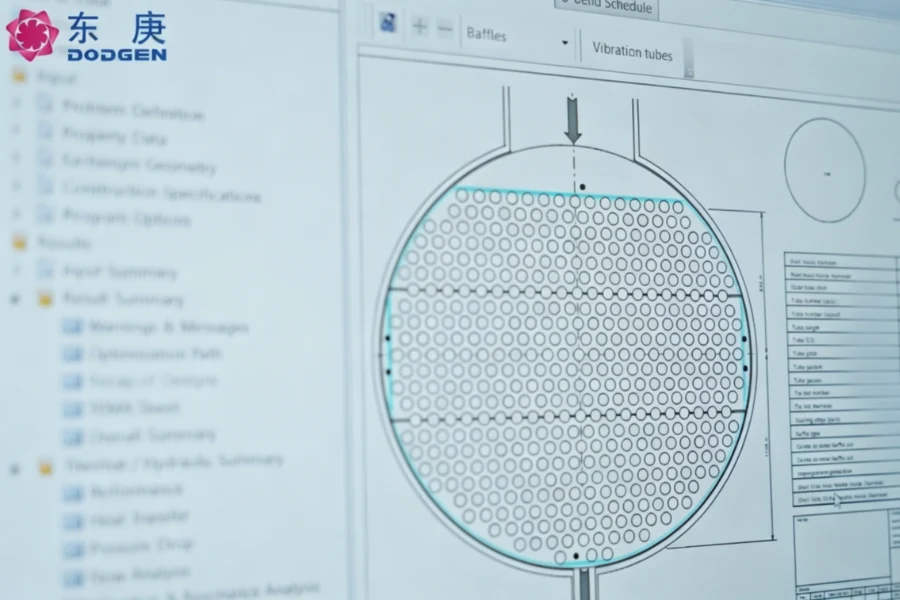
استنادًا إلى نماذج اقتران حركية وديناميكية حرارية صارمة لعمليات التبادل الحراري بين السائل والهواء (VLE)، يوفر فريق الهندسة في DODGEN قدرات محاكاة كاملة للتقطير التفاعلي، بما في ذلك:
- التنبؤ الدقيق بملامح درجات الحرارة والتركيب الكيميائي عبر أقسام التفاعل والتصحيح والتجريد
- تحسين مواقع التغذية، وكمية المحفز، ونسبة الارتجاع، وغيرها من المعلمات التشغيلية الحاسمة
- تسليم حزم عمليات متكاملة للتصميم الهندسي واختيار المعدات
[الميزة الأساسية 03] سجل حافل من المشاريع الصناعية
اكتسبت شركة «دودجن» خبرة صناعية واسعة في العديد من تطبيقات التقطير التفاعلي:
| مجال التطبيق | الأنظمة النموذجية |
|---|---|
| الأثيرية | تخليق مادة MTBE، تخليق مادة TAME |
| الأسترة | إنتاج أسيتات الميثيل، إنتاج أسيتات الإيثيل |
| المعالجة اللاحقة لـ C4/C5 | الهدرجة الانتقائية والإيزومرة المقترنة بالفصل |
التحقق الصناعي – أداء مثبت في التشغيل التجاري
دراسة حالة – تحديث وحدة إنتاج أسيتات الميثيل بسعة 80,000 طن في السنة
كانت المنشأة الأصلية تستخدم تكوينًا تقليديًا يتمثل في “مفاعل ذي طبقة ثابتة + تقطير ثنائي الأعمدة”. وظل معدل تحويل حمض الأسيتيك في دورة واحدة عند حوالي 72%، مما استلزم تدفقات إعادة تدوير واسعة النطاق وأدى إلى ارتفاع استهلاك الطاقة والحمل على المعدات.
قدمت شركة «دودجن» حلاً متكاملاً للتقطير التفاعلي، حيث استبدلت المفاعل ونظام الفصل الأصليين بوحدات حشو للتقطير التحفيزي.
بعد عملية التجديد، عملت الوحدة بشكل مستمر ومستقر لأكثر من عامين.
مقارنة الأداء:
| المعلمة | العملية التقليدية (قبل التجديد) | حل التقطير التفاعلي من شركة «دودجن» (بعد التجديد) |
|---|---|---|
| المعدات الرئيسية | 1 مفاعل ذو قاعدة ثابتة + عمودان للتقطير | 1 عمود تقطير تفاعلي |
| إجمالي استهلاك الطاقة (البخار لكل طن من المنتج) | 1.8 طن/طن | 1.1 طن/طن (انخفاض بنحو 39%) |
| تحويل حمض الأسيتيك في مرحلة واحدة | ~72% | ≥99% |
| مساحة التثبيت | الخط الأساسي | ~45% تخفيض |
| الاستثمار في المعدات (بنفس السعة) | الخط الأساسي | ~تخفيض 40% |
[خط إنتاج DODGEN]
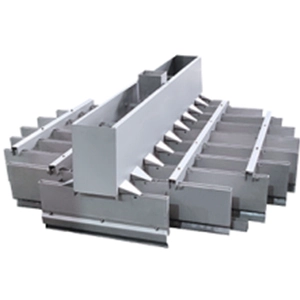
أما بالنسبة للأقسام غير التفاعلية، فإن DODGEN توفر أيضًا حشوات منظمة عالية الكفاءة، صواني، موزعات سوائل, ، والخصائص الداخلية ذات الصلة للعمود من أجل تعظيم كفاءة الفصل في أقسام التصحيح والتجريد، مما يضمن تحسين أداء العمود بالكامل.
الحل المتكامل – نموذج الخدمة الجاهزة من DODGEN
تقدم شركة «دودجن» الخدمات الفنية طوال دورة الحياة الكاملة بالنسبة لمشاريع التقطير التفاعلي:
تقييم جدوى العملية
↓
التحقق من الصحة على المستوى المختبري وعلى نطاق تجريبي
↓
تصميم حزمة العمليات ومحاكاة العملية بالكامل
↓
التصنيع وفحص المكونات الداخلية الأساسية في المصنع
↓
إرشادات التركيب في الموقع
↓
تحسين التشغيل واختبار الأداء
[خط إنتاج DODGEN]
تشمل التغطية الشاملة للمنتجات وحدات الحشو التحفيزي، والحشو الهيكلي عالي الأداء، والحشو العشوائي عالي الكفاءة، والصواني، وموزعات السوائل، والمجمعات، مما يتيح توفير جميع المكونات الداخلية للأعمدة من مصدر واحد.
يعتمد التميز التنافسي لشركة «دودجن» على نهج هندسي مزدوج يجمع بين الخبرة في مجال المعدات والعمليات. وبالإضافة إلى توريد المكونات الداخلية،, دودجن تقدم حلولًا متكاملة للتقطير التفاعلي تم التحقق من فعاليتها من خلال التشغيل التجاري.
بدءًا من اختيار المُحفِّز وتصميم الأعمدة وصولاً إلى النمذجة المحاكاة ومعايرة التشغيل، تحظى كل مرحلة بدعم ومشاركة مكثفة من فريق الهندسة في DODGEN.