في عملية التبلور بالصهر، غالبًا ما يكون التباين في النتائج ملفتًا للنظر. فبعض المواد تحقق قفزات كبيرة في درجة النقاء بعد مرحلة واحدة فقط، في حين لا تظهر مواد أخرى أي فرق يذكر في مستويات التحليل بين المنتج والسائل الأم وسائل التقطير، حتى بعد الانتهاء من العملية بأكملها. وعادةً ما تنبع هذه التباينات ليس من الخطوات الإجرائية نفسها، بل من الخصائص المتأصلة في سلوك التبلور من المادة المعنية.
عادةً ما تتمتع المادة المناسبة للتبلور بالصهر بعدة خصائص مميزة:
استقرار عالٍ عند الذوبان
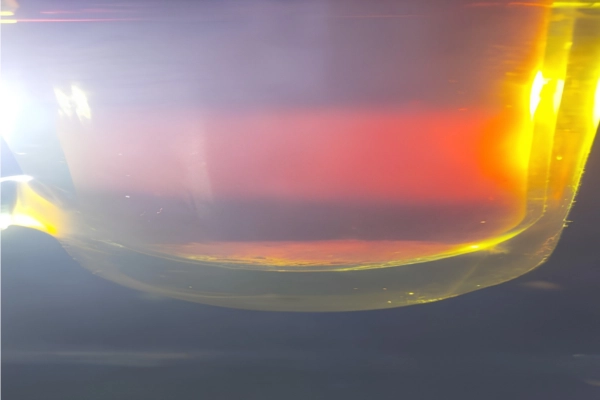
يجب أن تظل المادة مستقرة في حالتها الحالة المنصهرة. عند التبريد، لا ينبغي أن يُظهر النظام زيادة حادة في اللزوجة الديناميكية, ، كما يجب ألا يتعرض للتحلل الحراري أو تغير اللون أو الترسيب غير الطبيعي. ويُعد الذوبان المستقر الشرط الأساسي لعملية التبلور الخاضعة للرقابة.
مورفولوجيا بلورية مميزة
تشكل هياكل بلورية محددة بوضوح — مثل إبري (يشبه الإبرة), رقائقي (على شكل صفائح), ، أو الطبقات البلورية المتراكمة على الجدران — تتيح عملية فصل أكثر فعالية بكثير مقارنةً بالمواد الصلبة غير المنتظمة التي تشبه الطين. فكلما كانت البنية البلورية أكثر تحديدًا، زادت سهولة تصريف المحلول الأم وطرد الشوائب خلال مرحلة التقطير.
التقسيم الملائم للشوائب
تعتمد فعالية عملية التبلور بالذوبان على معامل التوزيع (فرق التجزئة) بين المكون الرئيسي والشوائب. فإذا تم دمج الشوائب بشكل متسق في الشبكة البلورية (التبلور المشترك)، أو إذا ظل تركيز الشوائب في الطور السائل مطابقًا تقريبًا لتركيزها في الطور الصلب، فإن تأثير التنقية سيكون ضئيلًا للغاية.
تحليل الحالة: النجاح مقابل التحدي
أمثلة إيجابية (p-سيانوفينول و p-نيتروتولوين): تُظهر هذه الأنظمة نتائج إيجابية نموذجية. حيث يتم إنشاء تدرج واضح للنقاء في المرحلة الأولى، وتؤدي المراحل اللاحقة (الثانوية/الثالثة) إلى إثراء تدريجي. ويشير التحسن المتزامن في اللون إلى أن الشوائب يتم فصلها بشكل منهجي إلى المحلول الأم وأجزاء التقطير.
الحالة الحساسة (كيتون التوت): تُثبت هذه المادة أن التبلور أثناء الانصهار أمر ممكن، لكنه يتطلب دقة. والفجوة الكبيرة بين درجة حرارة التبلور التلقائي ونقطة انصهارها تجعلها عرضة لـ التبلور السريع. يعتمد النجاح على البذر في درجات الحرارة المرتفعة لتحفيز نمو بلوري بطيء ومنظم. وهذا يذكرنا بأن بعض المواد تتطلب تحكمًا “دقيقًا” في العملية بدلاً من “تحديد” فيها.
حالة عدم الاتساق (حمض p-تولوين سلفونيك): تُعد التجارب التي أُجريت هنا بمثابة تحذير تقني. ففي حين أظهرت الدفعة الأولى تحسنات متواضعة في النقاء واللون (وإن كان ذلك مع انخفاض في العائد)، لم تظهر الدفعة الثانية أي اختلاف ملموس في نتائج التحليل بين الأجزاء المختلفة. وهذا يشير إلى أنه بالنسبة لبعض المواد الكيميائية، فإن متغيرات مثل خصائص الشوائب من دفعة إلى أخرى, ، أو محتوى الرطوبة، أو تاريخ المعالجة المسبقة، يمكن أن تؤدي إلى تغيير جذري في جدوى عملية التبلور بالصهر.
الخلاصة: “التصلب ليس تنقية”
إن تحديد ما إذا كانت مادة ما مناسبة للتبلور بالذوبان يتطلب أكثر من مجرد التحقق من درجة الانصهار أو الاعتماد على البيانات التاريخية. ويُعد النهج الأكثر موثوقية هو الملاحظة التجريبية للمراحل الرئيسية في العملية خلال التجارب التي تُجرى على نطاق مختبري:
- بدء عملية التبلور: هل يمكن التحكم فيه؟
- سلوك التوسع: هل تلتصق البلورات بسطح التبريد؟
- قابلية التصريف: هل يمكن تصريف المحلول الأم بالكامل؟
- فعالية التعرّق: هل يحدث إزالة قابلة للقياس للشوائب أثناء التسخين؟
- النقاء/التدرج اللوني: هل هناك تحسن متزامن بدءًا من المواد الخام وصولاً إلى المنتج؟
إذا تزامنت هذه المؤشرات، فإن المادة تتمتع بقيمة تطويرية عالية. ومع ذلك، فإن مجرد وجود “بلورات” دون وجود ما يقابلها من تدرج التركيز أو ينبغي توخي الحذر عند ممارسة التمرينات التي تؤدي إلى التعرق بشكل فعال.
تكمن القيمة الحقيقية للتبلور بالذوبان في تحويل الانتقال من الحالة السائلة إلى الحالة الصلبة إلى عملية فصل قابلة للتحكم. وفي النهاية، تتحدد مدى ملاءمة الطريقة بالظواهر الفيزيائية والبيانات التحليلية الناتجة عنها.