لماذا يُعد البولي لاكتيد (PLLA) عالي النقاء مهمًا في التطبيقات الطبية وتطبيقات الطباعة ثلاثية الأبعاد
أصبح بولي-L-لاكتيد (PLLA) أحد أهم البوليمرات القابلة للامتصاص الحيوي المستخدمة في الهندسة الطبية الحيوية والتصنيع الإضافي. وقد أتاح الجمع بين التوافق الحيوي، وسلوك التحلل المتحكم فيه، والقوة الميكانيكية، وقابلية المعالجة بالحرارة، استخدامه على نطاق واسع في مجال الغرسات العظمية، وهياكل هندسة الأنسجة، وأنظمة توصيل الأدوية، والأجهزة الجراحية، ومواد الطباعة الطبية المتقدمة.
بالمقارنة مع المواد البلاستيكية التقليدية المشتقة من النفط، يوفر هذا البلاستيك الحراري القابل للامتصاص الحيوي مزايا كبيرة في التطبيقات المؤقتة القابلة للزرع، لأنه يتحلل تدريجيًا إلى حمض اللاكتيك، الذي يمكن استقلابه عبر المسارات الفسيولوجية الطبيعية. وهذا يقلل من الحاجة إلى إجراءات إزالة الغرسة الثانوية أو يلغيها تمامًا في العديد من الحالات السريرية.
ومع ذلك، تتطلب بوليمرات اللاكتيد المخصصة للزراعة التحكم في العمليات بشكل أكثر صرامة بكثير مقارنة بمواد PLA الصناعية القياسية.
يتأثر الأداء النهائي للمواد تأثراً كبيراً بما يلي:
- الاتساق الفراغي الكيميائي
- تركيز المونومر المتبقي
- استقرار اللزوجة عند الذوبان
- تركيز المحفز المتبقي
- مستوى الرطوبة
- تجانس الطور البلوري
بالنسبة للتطبيقات الطبية الحيوية الخاضعة للتنظيم، يجب عادةً أن تظل بقايا المحفزات المعدنية — مثل القصدير أو الزنك أو الألومنيوم — دون الحدود القصوى الصارمة المحددة بوحدة جزء في المليون (ppm). وفي العديد من الأنظمة القابلة للزرع، يُشترط أن تكون بقايا المحفزات أقل من 10 أجزاء في المليون، بينما تستهدف بعض الأجهزة القابلة للامتصاص على المدى الطويل مستويات أقل من 1 جزء في المليون.
وفي الوقت نفسه، فإن النقاء العالي للإيزومر L ضروري للحفاظ على التبلور، والخصائص الميكانيكية، واستقرار الأبعاد، وسلوك التحلل المائي الذي يمكن التنبؤ به.
مع توسع استخدام البوليمرات القابلة للامتصاص الحيوي في مجالات مثل أجهزة التثبيت القابلة للامتصاص، والأدلة الجراحية المخصصة، والهياكل الداعمة للأنسجة، والمواد الأولية عالية الأداء المستخدمة في التصنيع الإضافي، أصبحت عمليات التنقية وهندسة العمليات ذات أهمية تضاهي أهمية عملية البلمرة نفسها.
اختيار الطريقة المناسبة لتصنيع PLLA
لماذا تهيمن عملية البلمرة بفتح الحلقة على إنتاج البوليمرات ذات الاستخدامات الطبية
لا تزال البلمرة بفتح الحلقة (ROP) هي الطريقة الصناعية الرئيسية لتصنيع بولي-L-لاكتيد عالي الوزن الجزيئي.
في هذه العملية، يتم أولاً تحويل حمض اللاكتيك إلى اللاكتيد، وهو مادة وسيطة ثنائية الوحدة ذات هيكل حلقي. ثم يخضع اللاكتيد المنقى لعملية بلمرة في وجود محفزات مثل أوكتوات القصدير.
يقدم نظام ROP العديد من المزايا المهمة:
- القدرة على التعامل مع المواد ذات الوزن الجزيئي العالي
- احتفاظ أفضل بالخصائص الفراغية
- تحسن سلوك التبلور
- أداء ميكانيكي ثابت
- ملاءمتها لتصنيع البوليمرات الطبية الحيوية
ونتيجة لهذه المزايا، أصبح تقنية ROP الطريقة المفضلة لإنتاج البوليمرات المخصصة للزراعة الطبية والدرجات المخصصة للتصنيع الإضافي الدقيق.
ومع ذلك، فإن هذه العملية تنطوي أيضًا على تحديات كبيرة في مرحلة التنقية اللاحقة.
لا يزال التلوث المتبقي بالمحفزات يمثل إحدى أصعب المشكلات التقنية في تصنيع بوليمر اللاكتيد. فقد تظل المحفزات القائمة على القصدير محبوسة داخل مصفوفة البوليمر أو ترتبط بالأوليغومرات والمونومرات المتبقية أثناء معالجة الذوبان.
وبدون تنقية كافية في المراحل اللاحقة، قد تسهم هذه المخلفات في:
- السمية الخلوية
- الاستجابة الالتهابية
- عدم الاستقرار الناتج عن الذوبان
- حركيات التحلل غير المتسقة
- التباين الريولوجي بين الدُفعات
مع استمرار تشديد المعايير التنظيمية، أصبحت إزالة المحفزات خطوة إنتاجية حاسمة بدلاً من أن تكون عملية تشطيب ثانوية.
لماذا نادرًا ما يُستخدم التكثيف المتعدد المباشر في تطبيقات الغرسات
يُعد التكثيف المتعدد المباشر أبسط من الناحية الهيكلية مقارنةً بعملية ROP، كما أنه يتجنب بعض مراحل المعالجة الوسيطة.
ومع ذلك، فإن هذه العملية تنتج عمومًا مواد ذات وزن جزيئي أقل، لأن إزالة الماء أثناء عملية البلمرة لا تزال صعبة. وتحد الرطوبة المتبقية من نمو السلاسل وتقلل من الثبات الميكانيكي على المدى الطويل.
ونتيجة لذلك، نادرًا ما يُستخدم التكثيف المتعدد المباشر في تصنيع الأجهزة القابلة للزرع عالية القوة أو مواد الطباعة الطبية ذات الجودة الهندسية التي تتطلب تدفقًا ثابتًا للمادة المنصهرة واتساقًا في الأبعاد.
كما قد يظل تلوث المُحفز يمثل مشكلة في أنظمة التكثيف المباشر.
هل يمكن لتخليق البوليمرات البيولوجية أن يحل محل المحفزات المعدنية؟
برز «التخليق البيولوجي» كاتجاه بحثي يهدف إلى تقليل الاعتماد على المحفزات المعدنية في تصنيع البوليستر القابل للتحلل البيولوجي.
الكائنات الحية الدقيقة المعدلة وراثياً مثل:
- إشريكية القولونية
- ساكاروميسيس سيريفيسيا
- البكتيريا الزرقاء
وقد خضعت هذه المواد للدراسة في سياق التخليق الحيوي المباشر للبوليمرات باستخدام أساليب الهندسة الأيضية.
من الناحية النظرية، يمكن أن يؤدي التخليق البيولوجي إلى تقليل التلوث الناتج عن المحفزات المعدنية أو القضاء عليه تمامًا.
ومع ذلك، لا تزال القيود الحالية كبيرة:
- الوزن الجزيئي المنخفض للبوليمر
- انخفاض كفاءة الإنتاج
- قابلية التوسع المحدودة للعملية
- ارتفاع تكلفة التصنيع
- صعوبة استرداد الموارد في المراحل النهائية
في الوقت الحالي، لا يزال التخليق البيولوجي في مرحلة تجريبية إلى حد كبير، ولم يحل محل أنظمة ROP الصناعية في معالجة البوليمرات الطبية الحيوية لأغراض تجارية.
ظروف العملية التي تؤثر بشكل مباشر على نقاء البوليمر
التحكم في الرطوبة أثناء تصنيع البوليمرات
تعد الرطوبة أحد أهم المتغيرات في معالجة البوليمرات القابلة للامتصاص الحيوي.
حتى الكميات الضئيلة جدًّا من الماء يمكن أن تؤدي إلى حدوث التحلل المائي أثناء البلمرة والبثق، مما يؤدي إلى:
- انقسام السلسلة
- انخفاض لزوجة الذوبان
- توزيع أوسع للوزن الجزيئي
- انخفاض الاحتفاظ الميكانيكي
- سلوك بثق غير مستقر
لذلك، فإن التجفيف الدقيق وإدارة الرطوبة بشكل صارم أمران ضروريان طوال العملية:
- تحضير اللاكتيد
- البلمرة
- تخزين الحبيبات
- بثق الخيوط
- عمليات التعبئة والتغليف
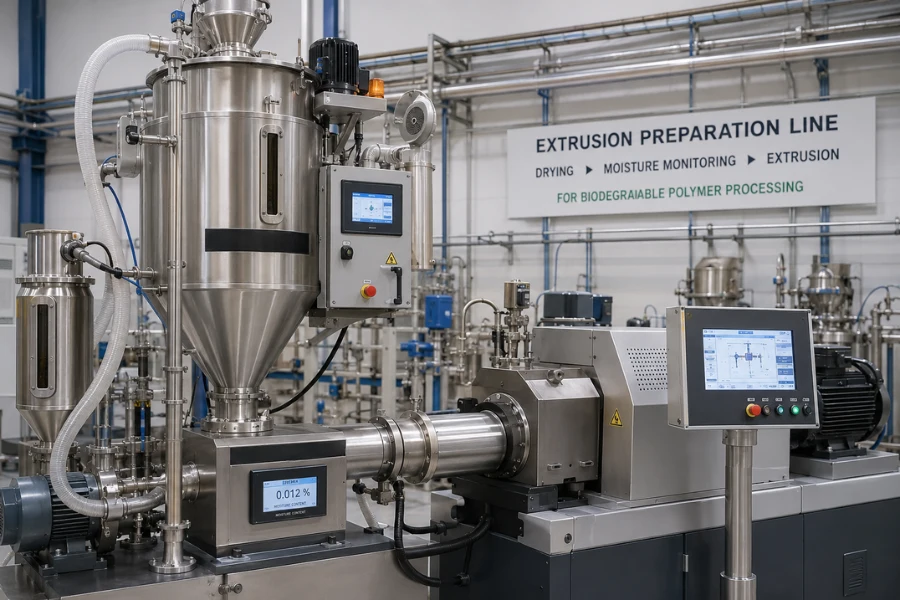
في بيئات الإنتاج الصناعي، يُدمج عادةً مجففات القمع الفراغي وأنظمة مراقبة الرطوبة المدمجة في خط الإنتاج. ويكتسب التحكم في نقطة الندى أهمية خاصة أثناء معالجة الحبيبات وعملية البثق، حيث يمكن أن يحدث امتصاص الرطوبة بسرعة بعد التجفيف.
غالبًا ما يؤدي عدم اتساق التحكم في الرطوبة إلى تباين اللزوجة أثناء إنتاج الخيوط، وقد يسهم في تكوّن الفقاعات أثناء الطباعة بتقنية FDM.
منع التحلل الحراري أثناء عملية البلمرة
قد تؤدي درجات الحرارة المفرطة أثناء المعالجة إلى:
- التحلل الحراري
- الراسيميزيشن
- الاصفرار
- انخفاض درجة التبلور
- عدم استقرار الوزن الجزيئي
نظرًا لأن أداء البولي-L-لاكتيد يعتمد بشكل كبير على الانتظام الفراغي الكيميائي، فإن الاستقرار الحراري يكتسب أهمية خاصة خلال مرحلة التشكيل بالضغط (ROP) ومراحل البثق اللاحقة.
عادةً ما تقوم أنظمة الإنتاج الصناعي بمراقبة منحنيات درجة حرارة الذوبان بشكل مستمر للحد من التدهور الناتج عن السخونة الزائدة الموضعية أو وقت البقاء المفرط داخل المفاعلات ومسامير البثق.
في بيئات التصنيع الطبي، يسهم التحكم الحراري المستقر أيضًا في تحسين اتساق الدُفعات على المدى الطويل وتحسين تحمل عمليات التعقيم.
التحكم في الأكسدة واستقرار اللون
قد يؤثر التحلل التأكسدي على كل من ثبات اللون والأداء الميكانيكي على المدى الطويل.
غالبًا ما تُستخدم الأجواء المُتحكَّم فيها أثناء عمليات البلمرة وبثق الحبيبات للحد من التفاعلات الجانبية التأكسدية والحفاظ على اتساق الراتينج.
في خطوط الإنتاج التجارية، غالبًا ما يتم دمج أنظمة التغطية بالنيتروجين في المفاعلات وخزانات التخزين وأقسام نقل المادة المنصهرة، وذلك لتقليل التعرض للأكسجين إلى أدنى حد ممكن أثناء المعالجة عند درجات الحرارة العالية.
قد يؤدي سوء التحكم في الأكسدة إلى:
- تغير اللون
- انخفاض ثبات الذوبان
- زيادة الهشاشة
- انخفاض مدة الصلاحية
لماذا يؤثر زمن البقاء على استقرار الوزن الجزيئي؟
يؤثر وقت البقاء داخل المفاعلات وأنظمة البثق بشكل مباشر على:
- التاريخ الحراري
- توزيع الوزن الجزيئي
- تركيز المونومر المتبقي
- اتساق ريولوجيا الذوبان
قد يؤدي طول مدة البقاء في الخزان إلى زيادة التدهور وزيادة التباين في اللزوجة بين دفعات الإنتاج.
في أنظمة البثق الصناعية، يُعد تصميم اللولب وموازنة معدل الإنتاج من الأمور المهمة، لأن عدم استقرار ملامح فترة البقاء قد يؤدي إلى تباين قطر الخيوط، وضعف التصاق الطبقات، وعدم استقرار سلوك تدفق الطباعة.
لذلك، فإن الإدارة المستقرة لوقت البقاء تعد أمرًا مهمًا لكل من الامتثال للمعايير الطبية الحيوية واتساق التصنيع الإضافي.
لماذا تشكل بقايا المُحفِّز مشكلة كبيرة في البوليمرات المستخدمة في صناعة الغرسات
تُستخدم عادةً عدة أنظمة محفزات في تصنيع بوليمر اللاكتيد، ومن بينها:
- أوكتوات القصدير(II)
- المحفزات القائمة على القصدير
- ألكوكسيدات الألومنيوم
- أملاح الزنك
- المحفزات القائمة على الكالسيوم
ومن بين هذه المحفزات، لا تزال المحفزات القائمة على القصدير تُستخدم على نطاق واسع بسبب كفاءتها العالية في البلمرة ومعدلات تحويلها المستقرة.
ومع ذلك، قد تبقى أنواع المعادن المتبقية في عدة أشكال:
- المحفز الذي لم يتفاعل
- المركبات المعدنية العضوية
- المنتجات الثانوية المشتقة من المُحفز
- المركبات المتبقية ذات الوزن الجزيئي المنخفض
تثير هذه الملوثات مخاوف على الصعيدين الطبي الحيوي والتصنيعي.
في التطبيقات التي تتطلب زرع الأجهزة، قد تسهم أيونات المعادن المتبقية في:
- الاستجابة الالتهابية الموضعية
- انخفاض التوافق الخلوي
- سلوك تدهور غير متوقع
- تهيج الأنسجة على المدى الطويل
من منظور التصنيع، قد تؤدي بقايا المحفزات أيضًا إلى انخفاض الاستقرار الحراري أثناء عمليات البثق والطباعة، مما يزيد من مخاطر:
- عدم الاستقرار الناتج عن الذوبان
- تغير اللون
- تلوث الفوهة
- هشاشة الخيوط
- تدفق الطباعة غير المنتظم
ونتيجة لذلك، أصبحت الإزالة الشاملة للمحفزات أحد المتطلبات الأساسية لإنتاج البوليستر القابل للتحلل الحيوي المخصص للاستخدام في مجال زراعة الأعضاء.
كيف يتم تنقية البوليمرات المخصصة للزراعة بعد عملية البلمرة
لماذا تواجه عملية الغسل بالمذيبات التقليدية قيودًا في التوسع
تعتمد طرق التنقية التقليدية عادةً على أنظمة الذوبان والترسيب التي تستخدم المذيبات.
في هذه الطرق، يتم إذابة البوليستر القابل للامتصاص الحيوي وترسيبه بشكل متكرر باستخدام مذيبات مثل:
- الكلوروفورم
- الميثانول
- الأنظمة القائمة على الأسيتون
على الرغم من أن التنقية بالمذيبات يمكن أن تقلل من تركيز المُحفز، فإن هذه العملية تنطوي على عدة قيود صناعية:
- استهلاك مرتفع للمذيبات
- صعوبة استرداد المذيبات
- عبء إدارة المركبات ذات الانبعاثات العالية
- تعقيد التوسع
- خطر المذيبات المتبقية
- كفاءة محدودة في إزالة المعادن بمستوى أجزاء في المليون
تزداد أهمية هذه العيوب بشكل متزايد في بيئات تصنيع البوليمرات الطبية الحيوية على نطاق واسع.
كما تمت دراسة الاستخلاص باستخدام ثاني أكسيد الكربون فوق الحرج كبديل أكثر صداقة للبيئة في عمليات التنقية. ورغم جاذبيته من الناحية البيئية، فإن قدرته على إزالة المحفزات لا تزال محدودة في العديد من الأنظمة الصناعية.
استخدام التبلور بالذوبان لإزالة بقايا المحفز
برزت عملية التبلور بالذوبان كواحدة من أكثر تقنيات التنقية واعدةً لإنتاج البوليستر القابل للتحلل الحيوي فائق النقاء.
تستفيد هذه العملية من الاختلافات في:
- سلوك التبلور
- خصائص الانصهار
- توزيع القابلية للذوبان
- حركيات نمو البلورات
بين الطور البوليمري والشوائب المرتبطة بالمحفز.
أثناء عملية التبلور الخاضعة للرقابة، تتشكل مناطق بلورية منظمة بينما تظل الشوائب مركزة في الطور المنصهر.
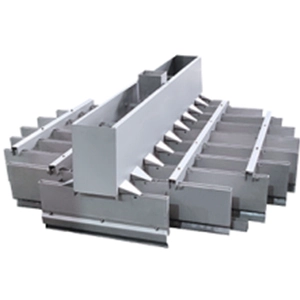
تعمل أنظمة التبلور الديناميكي للطبقات وأنظمة التبلور متعدد المراحل للذوبان على تحسين كفاءة الفصل بشكل أكبر من خلال تعزيز النمو الاتجاهي للبلورات في ظل تدرجات حرارية تخضع لرقابة صارمة.
بالمقارنة مع طرق التنقية التقليدية باستخدام المذيبات، توفر طرق التنقية القائمة على التبلور عدة مزايا صناعية:
| الغسل بالمذيبات التقليدية | التبلور الذائب |
|---|---|
| الاستخدام المكثف للمذيبات | تقليل الاعتماد على المذيبات |
| صعوبة استرداد المذيبات | تكامل مستمر أسهل |
| ارتفاع مستوى المركبات العضوية المتطايرة | تقليل الأثر البيئي |
| التباين بين الدُفعات | تحسين قابلية تكرار العملية |
| قدرة محدودة على التنقية العميقة | تحسين عملية استبعاد الشوائب على مستوى أجزاء في المليون (ppm) |
في بيئات معالجة البوليمرات الطبية الحيوية، تساعد أنظمة التبلور أيضًا على تحسين:
- انتظام بلوري
- الاستقرار الحراري
- الاتساق البصري
- تجانس الدفعة
- تكرار قياس تدفق الذوبان
في بيئات تنقية PLLA الصناعية، يتزايد استخدام أنظمة التبلور بالذوبان متعدد المراحل وأنظمة التبلور الديناميكي للحد من بقايا المحفزات مع الحفاظ على استقرار اللزوجة والاتساق الفراغي الكيميائي.
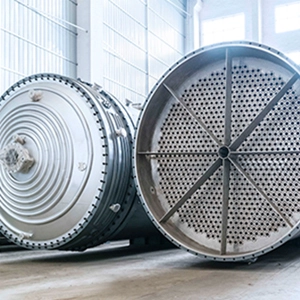
دودجن تقدم الشركة الدعم في مجال هندسة العمليات وتكامل أنظمة التبلور لخطوط تنقية ما بعد المعالجة للبوليمرات على النطاق التجريبي والصناعي، والمصممة لتطبيقات الطب الحيوي والتصنيع الإضافي المتقدم.
هذه الأنظمة مناسبة لبيئات الإنتاج التي تتراوح بين عمليات التصنيع المستمر التي تتطلب مئات الكيلوغرامات وصولاً إلى عمليات التصنيع المستمر التي تصل إلى نطاق الطن.
طرق تنقية إضافية لإزالة المعادن النزرة
يمكن دمج تقنيات تنقية إضافية وفقًا لمواصفات الشوائب المستهدفة.
وتشمل هذه:
- الامتصاص بالكربون المنشط
- المعالجة براتنج التبادل الأيوني
- الغسل باستخدام عامل مخلب
- الفرز باستخدام الأغشية
قد تساعد أنظمة الاستخلاص مثل EDTA في إزالة الملوثات المعدنية النزرة من جزيئات البوليمر قبل التجفيف النهائي والتكوير.
كما قد تساعد الأنظمة القائمة على الأغشية في فصل الشوائب ذات الوزن الجزيئي المنخفض والأوليغومرات المرتبطة بالمحفزات.
كيف تؤثر نقاوة البوليمر على الأداء في المجالات الطبية الحيوية والطباعة
المعايير الرئيسية لنقاء أنظمة البوليمرات القابلة للزرع
تتطلب أنظمة البوليمرات الطبية الحيوية عادةً مراقبة صارمة لعدد من المعلمات:
| المعلمة | المتطلبات النموذجية |
|---|---|
| المحفز المتبقي | <10 جزء في المليون |
| المونومر المتبقي | <0.5% |
| نقاء الأيزومر L | >98% |
| الوزن الجزيئي (Mw) | ≥100 كيلو دالتون |
| مؤشر التباين في الحجم (PDI) | ≤2.0 |
قد تشمل المتطلبات الإضافية ما يلي:
- التوافق مع معايير التعقيم
- الامتثال لمعايير الإندوتوكسين
- منحنى التحلل الخاضع للرقابة
- استقرار التثبيت الميكانيكي
تعتمد تطبيقات مثل البراغي القابلة للامتصاص، وأجهزة التثبيت، والهياكل الداعمة لتوصيل الأدوية اعتمادًا كبيرًا على استقرار عملية التحلل واتساق المواد.
حتى التباينات الطفيفة في الشوائب قد تؤثر على الاستجابة الالتهابية، وتوقيت التحلل، وموثوقية الغرسة على المدى الطويل.
ما الذي تتطلبه درجات التصنيع الإضافي المتطورة
يتزايد استخدام اللدائن الحرارية القابلة للامتصاص الحيوي عالية النقاء في أنظمة التصنيع الإضافي المخصصة للأغراض الطبية والهندسية.
بالنسبة لإنتاج خيوط الطباعة بتقنية FDM، تشمل المتطلبات الأساسية ما يلي:
- قطر خيوط موحد
- محتوى رطوبة منخفض
- تدفق ذوبان مستقر
- انكماش منخفض
- تكوّن فقاعات في حد أدنى
قد تتطاير المونومرات المتبقية أو المذيبات المحبوسة أثناء عمليات البثق والطباعة، مما يؤدي إلى:
- عيوب الفقاعات
- الفراغات
- عدم اتساق السطح
- ضعف الترابط بين الطبقات
كما أن التوزيع الواسع للوزن الجزيئي قد يسهم أيضًا في عدم اتساق الخصائص الريولوجية وعدم استقرار سلوك البثق.
في مجال تصنيع الخيوط التجارية، غالبًا ما تُستخدم أنظمة مراقبة القطر المدمجة في خط الإنتاج للحفاظ على نطاقات التفاوت المسموح بها في حدود ±0.05 مم.
بالنسبة لأنظمة DLP وSLA، يُعدل البوليمر عادةً ليصبح أنظمة أكريلات قابلة للتصلب الضوئي أو يُخلط مع مواد مخففة تفاعلية.
في هذه التركيبات، قد يؤثر التلوث المعدني المتبقي على حركيات البلمرة الضوئية ويقلل من اتساق عملية المعالجة.
مع استمرار توسع مجال التصنيع الإضافي في المجال الطبي، تزداد أهمية نقاء البوليمرات بشكل متزايد لضمان موثوقية العملية، والامتثال للمعايير التنظيمية، واستقرار الأبعاد على المدى الطويل.
الاتجاهات المستقبلية لتصنيع البوليمرات القابلة للامتصاص الحيوي عالية النقاء
من المتوقع أن يستمر الطلب على البوليمرات القابلة للتحلل الحيوي والمخصصة للاستخدام في مجال زراعة الأعضاء في النمو في المجالات التالية:
- غرسات جراحية قابلة للامتصاص
- أجهزة التثبيت الخاصة بالأطفال
- أنظمة ترميم الأسنان
- الهياكل الداعمة المطلقة للأدوية
- الأجهزة الطبية المخصصة
- التصنيع الإضافي في المجال الطبي
وفي الوقت نفسه، من المرجح أن يزداد الرقابة التنظيمية المتعلقة بالمعادن المتبقية، والمواد القابلة للاستخلاص، والتوافق الحيوي على المدى الطويل.
ونتيجة لذلك، تتجه الصناعة من الإنتاج الذي يركز على البلمرة نحو استراتيجيات تصنيع متكاملة تجمع بين:
- تخليق البوليمرات
- التنقية العميقة
- هندسة التبلور
- التجفيف الدقيق
- المراقبة المستمرة للعمليات
- مراقبة الجودة أثناء الإنتاج
أصبحت أنظمة التبلور المتطورة تشكل بشكل متزايد البنية التحتية الأساسية لخطوط إنتاج البوليمرات القابلة للتحلل الحيوي عالية النقاء.
دودجن تقدم الشركة دعماً متكاملاً في مجال هندسة العمليات يشمل تحسين عمليات البلمرة، والتنقية بالتبلور، وأنظمة التجفيف، وتكامل التصنيع على نطاق صناعي لتطبيقات الطب الحيوي والتصنيع الإضافي المتقدم.