لماذا يتطلب تركيز المواد الكيميائية الحساسة للحرارة تحكماً دقيقاً في درجة الحرارة
غالبًا ما تواجه المواد الكيميائية الحساسة للحرارة مشكلات في الاستقرار أثناء عملية التركيز. وفي العمليات الصناعية، يرتبط التعرض المفرط للحرارة بالتحلل، وتغير اللون، وتكوّن الشوائب، وتغير اللزوجة، وعدم استقرار العمليات اللاحقة.
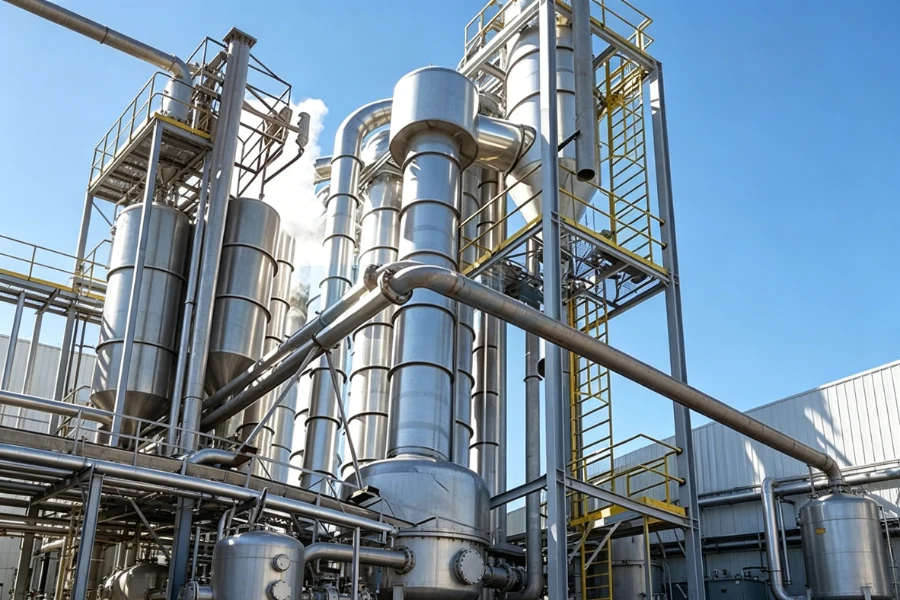
تُلاحظ هذه الآثار عادةً في:
- مواد وسيطة API
- بوليمرات PLA الأولية
- المستخلصات النباتية
- المنتجات الناتجة عن التخمير
- حلول كيميائية حيوية متخصصة
في العديد من أنظمة الإنتاج، لا يبدأ التدهور بحالة واحدة من ارتفاع درجة الحرارة. فعادةً ما يتطور عدم استقرار العملية بشكل تدريجي مع زيادة مقاومة التلوث، وتقلب حمل البخار، وانخفاض استقرار الفراغ، وتراكم التعرض للحرارة عبر عملية التركيز.
ولهذا السبب، تُستخدم مبخرات الغشاء المتساقط على نطاق واسع في أنظمة تركيز المواد الكيميائية ذات درجات الحرارة المنخفضة. وتتيح قدرتها على الجمع بين التشغيل في ظروف التفريغ ووقت البقاء القصير للغاية إجراء عملية التبخير مع إجهاد حراري أقل مقارنةً بتكوينات الغليان السائبة.
لا تقتصر القيمة الأساسية لنظام الغشاء المتساقط على سعة التبخير وحدها. ففي عمليات المعالجة الحساسة للحرارة، يتمثل الهدف الأهم في الحفاظ على تركيز ثابت مع الحد من التلف الحراري وتقلبات الجودة في المراحل اللاحقة.
يشرح هذا المقال كيف يساعد التبخير بالغشاء الرقيق عند درجات حرارة منخفضة في التحكم في التعرض الحراري، وما هي ظروف المواد التي تحدد مدى ملاءمة العملية، وكيف يؤثر التحسين الهندسي على الاستقرار التشغيلي على المدى الطويل في أنظمة التركيز الصناعية.
كيف تقلل أنظمة الأغشية المتساقطة من التعرض للحرارة
كيفية عمل التبخير بالطبقة الرقيقة
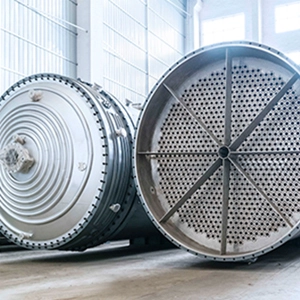
يقوم المبخر ذو الغشاء المتساقط بتوزيع السائل من أعلى الأنابيب العمودية. ويشكل السائل غشاءً متواصلاً على طول الجدار الداخلي للأنبوب ويتدفق إلى أسفل بفعل الجاذبية، بينما تنتقل الطاقة الحرارية عبر جانب الغلاف.
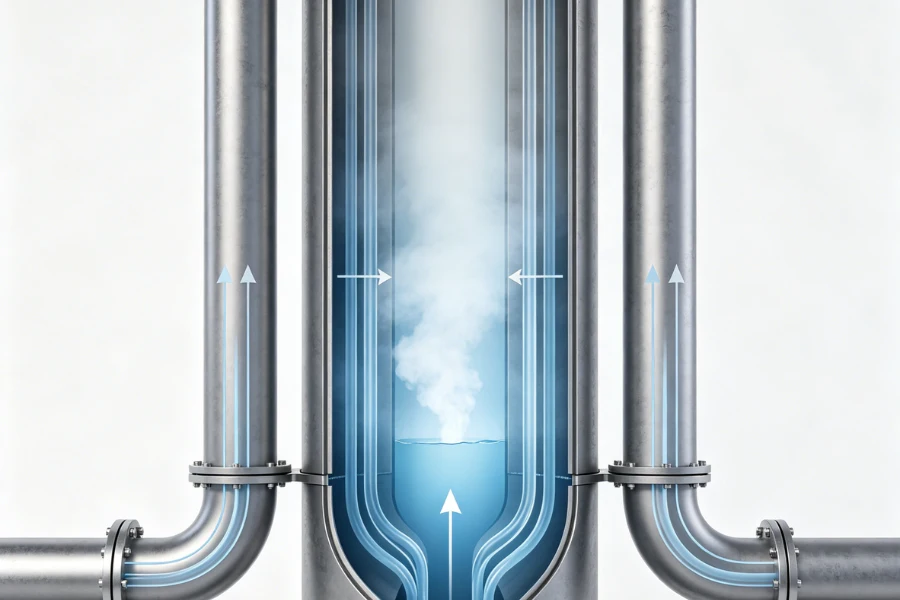
أثناء مرور الطبقة السائلة عبر الأنابيب:
- يحدث التبخير الجزئي بشكل مستمر
- تزداد سرعة البخار تدريجيًا
- تتناقص سماكة الطبقة تدريجيًا
- يخرج السائل المركز من الجزء السفلي
- يتم فصل البخار والسائل في المرحلة التالية
وعلى عكس وحدات التبخير المغمورة، يظل حجم السائل داخل القسم المسخن منخفضًا للغاية. وعادةً ما يتراوح زمن البقاء داخل الأنابيب بين 5 و30 ثانية في ظل ظروف التشغيل الصناعية.
تعد فترة التعرض القصيرة هذه أحد الأسباب الرئيسية وراء الاستخدام الواسع النطاق لأنظمة التركيز ذات الأغشية الرقيقة في المركبات الحساسة للحرارة.
لماذا تظل كفاءة نقل الحرارة عالية
ونظرًا لأن طبقة السائل تظل رقيقة للغاية، فإن المقاومة الحرارية عبر سطح التبخر تظل منخفضة نسبيًا. وهذا يتيح استمرار عملية التبخر بفروق درجات حرارة أقل، مع تقليل مخاطر ارتفاع درجة الحرارة المفرط على الجدران.
تعمل الأنظمة النموذجية بفروق متوسط في درجة الحرارة تتراوح بين 3 و6 كلفن تقريبًا.
هناك عدة تأثيرات هيدروديناميكية تسهم في استقرار أداء نقل الحرارة:
- يزداد قص البخار تدريجيًا على طول الأنبوب
- يتحول الطبقة السائلة من التدفق الطبقي إلى التدفق المتموج
- تزداد شدة الاضطراب مع انخفاض سماكة الطبقة
- يتم تجديد سطح التبخر باستمرار
في العمليات الصناعية، تساعد هذه الظروف في الحفاظ على معاملات نقل حرارة عالية دون حدوث ارتفاع مفرط في درجة الحرارة على جانب البخار.
تقلل درجة الحرارة المنخفضة على جانب الجدار من احتمالية حدوث تدهور حراري موضعي، لا سيما في الأنظمة التي تعالج مركبات معرضة للتلوث أو مواد وسيطة غير مستقرة حرارياً.
كيف تحمي عملية التفريغ المركبات الحساسة للحرارة
يُستخدم التشغيل بالضغط المنخفض عادةً في أنظمة تركيز الغشاء المتساقط.
يؤدي خفض ضغط التشغيل إلى انخفاض درجة غليان المحلول، مما يسمح بحدوث التبخر عند درجة حرارة تتراوح بين 40 و70 درجة مئوية تقريبًا في العديد من التطبيقات الحساسة للحرارة.
يؤثر استقرار الفراغ بشكل مباشر على اتساق العملية.
حتى الانحراف الطفيف في الضغط قد يؤدي إلى ارتفاع درجة الغليان، وهو ما قد يؤدي إلى تسارع تدريجي في:
- التحلل الحراري
- تكوّن الشوائب
- تغير اللون
- تطور التلوث
- عدم استقرار اللزوجة
في العمليات الصناعية ذات الدورات الطويلة، غالبًا ما يتطور عدم استقرار الفراغ بشكل تدريجي وليس مفاجئًا. وقد يسهم كل من تقلب درجة حرارة مياه التبريد، وتدهور أداء المكثف، وتراكم الغازات غير القابلة للتكثيف، في حدوث انحرافات تشغيلية بمرور الوقت.
ولهذا السبب، يُقيَّم أداء التفريغ عادةً باعتباره أحد معايير موثوقية العملية، وليس مجرد عامل متعلق بالطاقة.
كيف يتطور عدم الاستقرار في العمليات في التبخير الحساس للحرارة
في أنظمة التكسير الصناعي، نادرًا ما يحدث تحلل المنتج كحدث منفرد.
عادةً ما ينشأ عدم الاستقرار في العملية من خلال تأثيرات حرارية وهيدروديناميكية مترابطة تؤدي إلى انخفاض تدريجي في استقرار التشغيل.
يُلاحظ اتباع تسلسل تشغيلي شائع في خطوط الإنتاج الحساسة للحرارة:
- يصبح توزيع السائل غير متساوٍ
- بدأت المناطق الجافة المحلية في الظهور
- ارتفاع درجة حرارة الجدران في المناطق المتضررة
- يتطور التلوث بوتيرة أسرع
- تزداد مقاومة انتقال الحرارة
- يتم رفع درجة الحرارة على جانب البخار للحفاظ على معدل الإنتاج
- يزداد خطر التحلل الحراري بشكل تدريجي
غالبًا ما تحدث هذه السلسلة من الأحداث قبل ظهور أي عطل واضح في المنتج.
في العديد من المصانع، تظل الطاقة الإنتاجية مستقرة في البداية بينما:
- تزداد مقاومة التلوث تدريجيًا
- تصبح فترات التنظيف أقصر
- يصبح الحمل البخاري أقل استقرارًا
- يزداد وقت استقرار التشغيل
- يبدأ اتساق درجة النقاء في المراحل النهائية في التغير
يعد الانحراف التشغيلي شائعًا بشكل خاص أثناء التشغيل المستمر لفترات طويلة، حيث تزداد نسبة التركيز واللزوجة تدريجيًا على مدار دورة العملية.
ونتيجة لذلك، أصبح تقييم ثبات التبخر يُنظر إليه بشكل متزايد على أنه مسألة تتعلق بالتحكم في العمليات على المدى الطويل، وليس مجرد هدف قائم بذاته لأداء المعدات.
ما هي المواد المناسبة لتركيز الطبقة المتساقطة؟
لماذا يُعد الاستقرار الحراري عاملاً حاسماً في اختيار النظام
يحدد مخطط التحلل الحراري للمادة نطاق درجات الحرارة المسموح بها للتشغيل.
بالنسبة للمركبات التي تقل عتبة تحللها عن 60 درجة مئوية تقريبًا، يُعد التشغيل في ظروف التفريغ ضروريًا بشكل عام للحفاظ على سلامة المنتج.
وهذا أمر مهم بشكل خاص في:
- المواد الوسيطة الصيدلانية
- أنظمة البوليمرات القابلة للتحلل البيولوجي
- المحاليل المحتوية على إنزيمات
- مستخلصات نباتية
في هذه التطبيقات، قد تؤثر الزيادات المعتدلة في مدة البقاء أو درجة حرارة الجدران بشكل مباشر على درجة النقاء أو ثبات اللون أو اتساق التركيب الجزيئي.
كيف تؤثر اللزوجة على استقرار تركيز الطبقة الرقيقة
تم تصميم أنظمة الأغشية المتساقطة في المقام الأول للسوائل ذات اللزوجة المنخفضة والمتوسطة.
نطاق التشغيل المعتاد:
- النطاق الموصى به — أقل من 200 سنتيمتر-بوزي
- تكوينات مُحسَّنة — تصل إلى حوالي 1000 سنتيمتر سكانتي
مع زيادة التركيز، ترتفع اللزوجة تدريجيًا. ويؤثر ذلك على:
- استقرار الفيلم
- سلوك الترطيب
- فصل البخار عن السائل
- أداء نقل الحرارة
- خصائص انخفاض الضغط
في العديد من الأنظمة الصناعية، تزداد أهمية تغير اللزوجة بشكل متزايد مع الاقتراب من مرحلة التركيز النهائي.
بمجرد أن يصبح تكوين طبقة مستقرة أمراً صعباً، قد تظهر في الوقت نفسه بقع جافة موضعية وتدفق بخار غير مستقر.
في ظل هذه الظروف، غالبًا ما تكون أنظمة الدوران القسري أو وحدات التبخير بالغشاء المسحوب هي الأنسب.
لماذا يُشكل التلوث خطرًا على الموثوقية على المدى الطويل
يُعد التلوث أحد العوائق التشغيلية الرئيسية في أنظمة التركيز ذات درجات الحرارة المنخفضة.
تؤدي الرواسب التي تتشكل على سطح نقل الحرارة إلى زيادة المقاومة الحرارية تدريجيًا وتقليل سعة التبخر الفعالة.
مع تقدم التلوث:
- ارتفاع درجة حرارة الجدران
- انخفاض معدل التبخر
- يزداد استهلاك البخار
- تزداد وتيرة التنظيف
- يزداد خطر التحلل الحراري
غالبًا ما يلاحظ المشغلون الصناعيون أن عدم الاستقرار المرتبط بالتراكمات يتطور تدريجيًا على مدار دورات الإنتاج، وليس أثناء مرحلة بدء التشغيل.
يُعد الحفاظ على استقرار سلوك الترطيب أمرًا بالغ الأهمية.
في العديد من الأنظمة، تؤدي معدلات الترطيب التي تقل عن حوالي 70 في المائة من التدفق التصميمي إلى زيادة احتمالية تشكل مناطق جافة وتسريع تراكم الرواسب.
تشمل استراتيجيات التخفيف طويلة الأجل عادةً ما يلي:
- الأسطح الداخلية المصقولة كهربائيًا
- نسبة إعادة التدوير المُحسَّنة
- التوزيع المنظم للأعلاف
- إجراءات CIP المجدولة
- رصد انخفاض نقل الحرارة بمرور الوقت
التحديات المتعلقة بالتكوّن الرغوي والمواد الصلبة في التشغيل المستمر
يمكن أن يؤدي تكوّن الرغوة إلى انخفاض كفاءة فصل البخار عن السائل وزيادة خسائر الانجراف.
يُلاحظ ذلك عادةً في:
- التيارات المحتوية على مواد خافضة للتوتر السطحي
- منتجات التخمير
- المستخلصات الكيميائية الحيوية
غالبًا ما يتطلب تصميم الفاصل إجراء تحسينات استنادًا إلى السلوك الفعلي للبخار في ظل التشغيل المستمر.
قد تشمل تدابير التخفيف الصناعية ما يلي:
- دمج نظام إزالة الضباب
- تحسين حاجز الفصل
- التحكم في مستوى السائل
- استراتيجية جرعات مثبطات الرغوة
كما أن تدفقات المواد الخام التي تحتوي على مواد صلبة عالقة أو التي تظهر سلوكًا تبلوريًا في المراحل المبكرة قد تؤدي أيضًا إلى زعزعة استقرار توزيع الطبقة الرقيقة وزيادة خطر الانسداد داخل قسم التوزيع.
في ظل هذه الظروف، غالبًا ما يتم تقييم تقنيات المعالجة المسبقة أو تقنيات التركيز البديلة.
عوامل التصميم التي تؤثر على استقرار التبخر على المدى الطويل
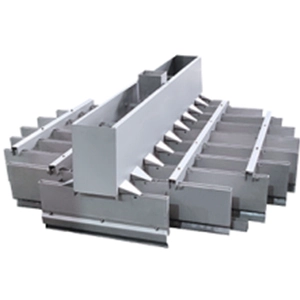
لماذا يعتبر توزيع السوائل أمرًا بالغ الأهمية
يُعد التوزيع المتساوي للسائل أحد أهم متطلبات التشغيل في مبخر الغشاء المتساقط.
يؤدي الترطيب غير المتساوي إلى ظهور مناطق جافة موضعية، مما يؤدي إلى ارتفاع سريع في درجة حرارة الجدران وزيادة احتمالية تراكم الأوساخ.
عادةً ما تُصمم أنظمة التوزيع الصناعية بحيث تحافظ على أداء ترطيب ثابت حتى في ظروف تشكل حوالي 30 إلى 40 في المائة من الحمل الاسمي.
في عمليات الإنتاج ذات الدورات الطويلة، غالبًا ما يصبح التوزيع غير المتوازن للمواد الأولية أكثر وضوحًا خلال:
- عمليات الانتقال في الشركات الناشئة
- تقلب معدل الإنتاجية
- زيادة اللزوجة
- التشغيل بحمل جزئي
غالبًا ما تكشف ظروف التشغيل هذه عن نقاط ضعف لا تظهر خلال اختبارات التشغيل التجريبي قصيرة المدى.
كيف تؤثر هندسة الأنابيب على أداء العملية
تؤثر هندسة الأنابيب بشكل مباشر على كل من سلوك انتقال الحرارة والاستقرار الهيدروديناميكي.
تشمل التكوينات الصناعية النموذجية ما يلي:
- طول الأنبوب — 4-8 أمتار
- قطر الأنبوب — 25-65 ملم
تؤدي الأنابيب الأطول إلى زيادة المساحة المتاحة لنقل الحرارة، ولكنها تزيد أيضًا من حساسية انخفاض الضغط.
يؤثر قطر الأنبوب على:
- سماكة الفيلم
- شدة قص البخار
- استقرار الترطيب السائل
- الحساسية تجاه تغير اللزوجة
وبالتالي، فإن تحسين التصميم يتطلب تحقيق التوازن بين سعة التبخر وسلوك الطبقة الرقيقة المستقر في ظل ظروف التشغيل المتغيرة.
اختيار المواد لضمان مقاومة التآكل وسهولة التنظيف
يتم تحديد اختيار المواد بناءً على متطلبات مقاومة التآكل، وإجراءات التنظيف، ومعايير نقاء المنتج.
عادةً ما تُصنع الأسطح الملامسة للمنتج من:
- الفولاذ المقاوم للصدأ SUS316L
- سبائك عالية الجودة مقاومة للتآكل عند الحاجة
تؤثر حالة السطح الداخلي بشكل كبير على مدى تراكم الأوساخ بمرور الوقت.
تُستخدم الأسطح المصقولة كهربائيًا بشكل شائع للحد من التصاق الرواسب وتحسين سهولة التنظيف خلال دورات التنظيف في المكان (CIP) المتكررة.
في الأنظمة الصيدلانية والكيميائية الحيوية، تُصمم عمليات تشطيب اللحام ومعالجة الأسطح عادةً بهدف دعم متطلبات الامتثال لمعايير GMP وCIP.
الاختيار بين أنظمة التبريد أحادية التأثير، ومتعددة التأثير، وأنظمة MVR
يجب تحقيق التوازن بين تحسين كفاءة الطاقة والتحكم في التعرض للحرارة والاستقرار التشغيلي.
الأنظمة أحادية التأثير
توفر أنظمة التركيز أحادية التأثير ما يلي:
- زمن إقامة أقصر
- تشغيل مبسط
- تقليل مخاطر التراكم الحراري
عادةً ما يتراوح معامل الاقتصاد في Steam بين 0.8 و1.0 تقريبًا.
غالبًا ما تُفضل هذه الأنظمة في التطبيقات التي تتطلب دقة عالية في التحكم في درجة الحرارة، حيث تُعطى الأولوية لاستقرار المنتج على حساب كفاءة البخار.
أنظمة متعددة التأثيرات
تعمل الأنظمة متعددة التأثيرات على تحسين الاستفادة من البخار من خلال إعادة استخدام طاقة البخار عبر مراحل متعددة.
قد يؤدي كل تأثير إضافي إلى خفض الطلب على البخار بنسبة تتراوح بين 30 و50 في المائة تقريبًا.
ومع ذلك، تزداد المراحل الإضافية أيضًا:
- إجمالي مدة البقاء
- تدرج اللزوجة
- تعقيد الشركات الناشئة
- حساسية موازنة العمليات
في بعض التطبيقات الصناعية، يزداد تأثير تراكم التعرض للحرارة أهميةً مع امتداد دورات الإنتاج بمرور الوقت.
وبالتالي، فإن التحسين يعتمد على تحقيق التوازن بين خفض استهلاك الطاقة ومتطلبات استقرار المنتج.
أنظمة إعادة ضغط البخار الميكانيكية
تقوم أنظمة إعادة ضغط البخار الميكانيكية بإعادة تدوير طاقة البخار باستخدام عملية ضغط تعمل بالطاقة الكهربائية.
تقلل هذه الأنظمة بشكل كبير من الطلب الخارجي على البخار، وتُستخدم عادةً في خطوط المعالجة المستمرة واسعة النطاق.
تعتمد جدوى التطبيق على:
- ساعات العمل
- هيكل تكاليف الطاقة
- مقياس المصنع
- منحنى حمل التبخر
- متطلبات استمرارية العمليات
استخدام أنظمة الغشاء المتساقط في معالجة البوليمر الأولي لـ PLA
لماذا يعتبر تركيز البريبوليمر في PLA حساساً للحرارة
في عملية إنتاج البوليمر السائل (PLA)، يؤثر تركيز البوليمر الأولي بشكل مباشر على أداء عملية البلمرة في المراحل اللاحقة.
أثناء عملية إزالة الغازات، يجب إزالة المكونات منخفضة الوزن الجزيئي — مثل الماء والمركبات المرتبطة باللاكتيد — بكفاءة دون الإخلال باستقرار بنية البوليمر.
قد يؤدي التعرض المفرط للحرارة إلى تسريع:
- انقسام السلسلة
- تخفيض الوزن الجزيئي
- الراسيميزيشن
- تغير اللون
وتؤثر هذه العوامل بشكل مباشر على قوام البوليمر النهائي وأدائه البصري.
لماذا تُعد أنظمة التركيز ذات الأغشية الرقيقة مناسبة لمعالجة PLA
يُفضل عادةً استخدام أنظمة التبخير بالغشاء الرقيق في خطوط تركيز البولي لاكتيد (PLA) لأنها تجمع بين:
- التشغيل في الفراغ عند درجات حرارة منخفضة
- فترة إقامة قصيرة
- القدرة على المعالجة المستمرة
- أداء ثابت في عملية إزالة الغازات
يقلل التبخر السريع تحت الضغط المنخفض من التعرض الحراري المطول لأوليغومرات PLA أثناء عملية التركيز.
ويساعد ذلك في الحفاظ على استقرار البنية الجزيئية قبل مراحل البلمرة والتبلور اللاحقة.
في عمليات الدورات الطويلة، غالبًا ما يكون الحفاظ على استقرار حمل البخار وأداء التفريغ أكثر أهمية من مجرد تحقيق أقصى معدل تبخر على المدى القصير.
دمج أنظمة التبخير والتبلور
في خطوط الإنتاج المتكاملة لتركيز مادة API وPLA، غالبًا ما يتم تقييم أداء التبخير جنبًا إلى جنب مع استقرار التبلور، وميزان استرداد المذيبات، ومتطلبات التنقية في المراحل اللاحقة.
قد تؤثر التباينات في استقرار التركيز بشكل مباشر على:
- عائد التبلور
- نقاء واتساق
- كفاءة استرداد المذيبات
- أداء التجفيف في المرحلة النهائية
ولهذا السبب، أصبحت هندسة العمليات المتكاملة تكتسب أهمية متزايدة في مجال تصنيع المواد الكيميائية الحساسة للحرارة.
دودجن وعادةً ما تقوم بتطوير هذه الأنظمة في شكل حزم عمليات منسقة بدلاً من وحدات معدات منفصلة.
اعتمادًا على متطلبات العملية، قد تشمل الأنظمة المتكاملة ما يلي:
- وحدات التفاعل
- أنظمة التركيز في درجات الحرارة المنخفضة
- أقسام التفريغ
- معدات التبلور
- أنظمة استرداد المذيبات
يساعد هذا النهج الهندسي المتكامل على تحسين استمرارية العملية مع الحد من عدم الاستقرار بين مراحل التركيز في المراحل الأولية ومراحل التنقية في المراحل النهائية.
دودجن كما تدعم هذه التقنية تطوير العمليات المتكاملة لتخليق المكونات الصيدلانية النشطة (API) وتطبيقات التبلور الحساسة للحرارة، حيث يؤثر التحكم في التركيز بشكل مباشر على جودة المنتج النهائي.
المشاكل الشائعة في مبخر الغشاء المتساقط وحلولها
| مشكلة تشغيلية | السبب الشائع | استراتيجية التخفيف |
|---|---|---|
| المناطق الجافة وارتفاع درجة الحرارة الموضعي | توزيع غير متجانس للسائل | افحص الموزع، وزد معدل التغذية، ونظف فتحات التوزيع |
| تراكم الأوساخ المتسارع | انخفاض معدل الترطيب أو عدم استقرار سلوك المادة | زيادة معدل الدوران، واستخدام الأسطح المصقولة كهربائيًا، وتحسين فترات التنظيف |
| التكوّن الرغوي والانجراف | المركبات ذات النشاط السطحي | تحسين تصميم الفاصل، وتطبيق استراتيجية مقاومة الرغوة، والتحكم في مستوى السائل |
| عدم الاستقرار الفراغي | سعة المكثف غير كافية أو وجود تسرب | فحص نظام التفريغ، والتحقق من حجم المكثف، وتحسين الإحكام |
| انخفاض نقل الحرارة | تراكم الأوساخ في الأنابيب أو تراكم الغازات غير القابلة للتكثيف | تطبيق عملية التنظيف أثناء التشغيل (CIP)، وإزالة الغازات غير القابلة للتكثف، واستعادة الأداء الحراري |