لماذا يعتبر استرداد مادة CS2 أمرًا مهمًا في صناعة الرايون
يُستخدم ثاني كبريتيد الكربون على نطاق واسع في صناعة ألياف الفسكوز والسلوفان والعمليات الكيميائية ذات الصلة القائمة على الكبريت، حيث تظل مستويات الاستهلاك النموذجية مرتفعة نسبيًا مقارنةً بحجم الإنتاج.
في العديد من المصانع الحالية، تتراوح كفاءة الاسترداد من أنظمة التكثيف التقليدية عادةً بين 45 و55 في المائة، مما يؤدي إلى خسارة كبيرة في المواد.
وتُعزى هذه الخسارة في المقام الأول إلى التقلب الشديد في مستويات ثاني كبريتيد الكربون وتأثيرات التخفيف في تيارات العادم الناتجة عن العمليات.
يسهم المذيب غير المسترد بشكل مباشر في ارتفاع تكاليف التشغيل ومخاطر الانبعاثات.
يُعتبر كل من ثاني كبريتيد الكربون وكبريتيد الهيدروجين من المواد الخطرة الخاضعة للتنظيم، حيث تُفرض قيود صارمة على استخدامهما في جميع مناطق الإنتاج الرئيسية.
وبالتالي، فإن الأداء غير الملائم في مجال استعادة الموارد يمكن أن يؤدي إلى خسائر اقتصادية وإلى عدم الامتثال للمعايير البيئية.
تتيح أنظمة الاسترداد ذات الكفاءة العالية إعادة استخدام المواد وخفض الانبعاثات على حد سواء.
يمكن للمنشآت التي تعمل بمستويات استرداد تزيد عن 90 في المائة أن تقلل بشكل كبير من احتياجات شراء المذيبات مع الالتزام في الوقت نفسه بأطر الامتثال الدولية.
وهذا يضمن توافق الجدوى الاقتصادية للعمليات مع التوقعات التنظيمية، بدلاً من التعامل معها على أنها قيود منفصلة.
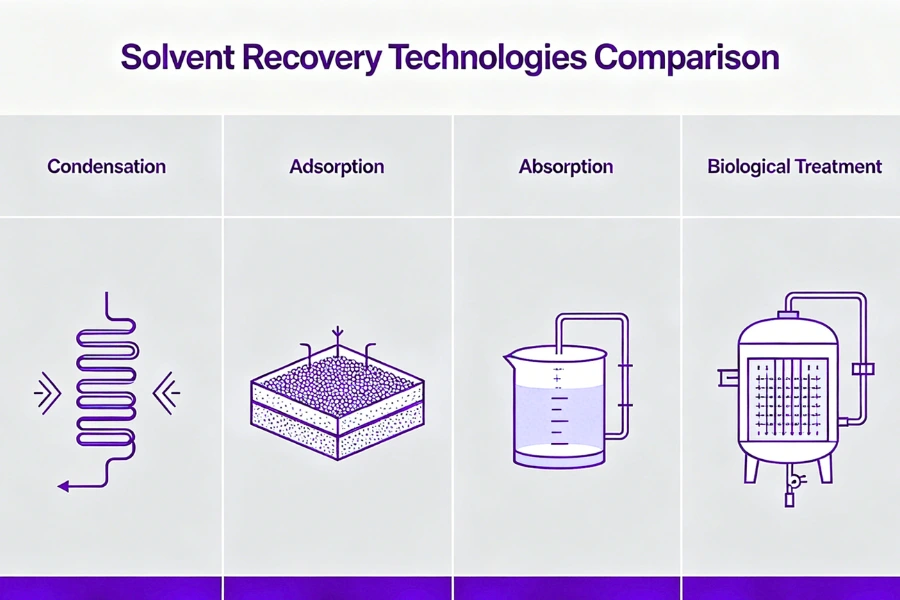
مقارنة بين تقنيات استعادة بيانات CS2
يختلف أداء طرق استرداد المذيبات باختلاف تركيز المادة الداخلة، ومعدل تدفق الغاز، والتكامل مع عمليات إنتاج الفيسكوز في المراحل الأولية.
عادةً ما تكون الحلول أحادية المرحلة غير كافية لتحقيق أهداف الاستخلاص العالية في الظروف الصناعية.
ونتيجة لذلك، غالبًا ما يتم دمج تقنيات متعددة ضمن نظام واحد.
| التكنولوجيا | المبدأ | نطاق الاسترداد | المزايا | القيود | الدور النموذجي |
|---|---|---|---|---|---|
| التكثف | التبريد إلى درجة أقل من نقطة الغليان لتسييل المذيب | 45 إلى 55 في المائة | تكلفة رأسمالية منخفضة، تصميم بسيط | الكفاءة مقيدة بالتخفيف ودرجة الحرارة | مرحلة ما قبل التعافي |
| التكثيف متعدد المراحل | التبريد المتسلسل باستخدام الماء والوسائط المبردة | 60 إلى 75 في المائة | كفاءة محسّنة مقارنةً بالمرحلة الواحدة | ارتفاع استهلاك الطاقة | الانتعاش المرحلي |
| الامتصاص بالكربون المنشط | الامتصاص، يليه التفكك الحراري والتكثيف | 85 إلى 95 في المائة | كفاءة استخلاص عالية، وتكنولوجيا متطورة | يتطلب إزالة غاز الهيدروجين الكبريتي (H₂S) في المرحلة السابقة | الاستخراج الأولي |
| أنظمة الامتصاص | امتصاص المذيب ثم الفصل | أكثر من 80 في المائة | يمكن دمجها مع مسارات العمليات الحالية | يتطلب إدارة المذيبات | تطبيقات التحديث |
| المعالجة البيولوجية | التحلل الميكروبي للمركبات المتبقية | نسبة إزالة تزيد عن 90 في المائة | تكلفة تشغيل منخفضة، ومستقرة بيئيًا | مساحة كبيرة، غير مناسبة للاستعادة | المعالجة في نهاية خط الأنابيب |
لا توجد طريقة واحدة كافية لتحقيق كفاءة استرداد عالية في جميع ظروف التشغيل.
وعادةً ما تكون هناك حاجة إلى أنظمة متكاملة تجمع بين المعالجة المسبقة والامتصاص والتكثيف للوصول إلى مستويات استرداد تزيد عن 90 في المائة.
لذلك، يجب تحديد تكوين النظام استنادًا إلى كل من ظروف العملية والأداء المستهدف.
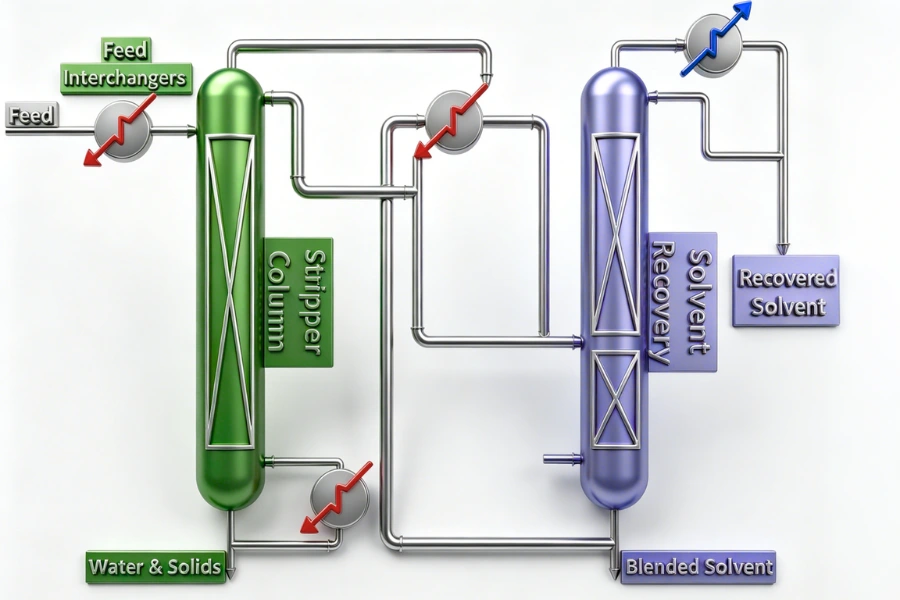
ما الذي يتضمنه نظام الاستعادة الكامل لـ CS2؟
يتألف نظام استرداد المذيبات الكامل من عدة وحدات معالجة تعمل بالتتابع، حيث تعالج كل وحدة من هذه الوحدات عقبة محددة في مسار الاسترداد.
يجب أن يراعي تصميم النظام كلاً من كفاءة الفصل والاستقرار التشغيلي.
قد يؤدي تعطل أي وحدة واحدة إلى انخفاض الأداء الإجمالي لعملية الاسترجاع.
| الوحدة | الوظيفة | الاعتبارات الرئيسية |
|---|---|---|
| جمع الغاز ومعالجته الأولية | التقاط غازات العملية وإزالة الجسيمات | التشغيل بالضغط السلبي لمنع التسرب |
| إزالة غاز الهيدروجين الكبريتي (H2S) | حماية أنظمة الامتصاص في المراحل اللاحقة | الغسل القلوي أو الأكسدة الرطبة |
| وحدة الامتصاص | استخلاص المذيب من الطور الغازي | تشغيل متعدد الأسرة مع التبديل المستمر |
| الامتصاص والتكثيف | استخلاص المذيب من المادة الماصة | التسخين المتحكم فيه والتكثيف عند درجات حرارة منخفضة |
| التنقية وإعادة الاستخدام | إزالة الرطوبة والشوائب | التجفيف بالمنخل الجزيئي أو فصل الطور |
| معالجة غازات العادم | ضمان الامتثال لمعايير الانبعاثات | المعالجة البيولوجية أو الحرارية |
| نظام التحكم والسلامة | الحفاظ على استقرار التشغيل | المراقبة في الوقت الفعلي لدرجة الحرارة والضغط والأكسجين والتركيز |
دودجن يطبق مبادئ تكامل العمليات التي تم تطويرها في تصميم أنظمة الفصل لضمان تفاعل مستقر بين هذه الوحدات.
يتم تحديد تكوين النظام بناءً على ظروف التشغيل بدلاً من اختيار معدات ثابتة.
يتيح هذا النهج تحقيق أداء ثابت في ظل أحمال إنتاج متفاوتة.
ما الذي ستكسبه من ارتفاع معدل استرداد CS2
إن تحسين كفاءة الاسترداد له تأثير مباشر على توازن المواد.
في مصنع فيسكوز نموذجي ينتج 50,000 طن سنويًّا، قد يصل استهلاك المذيبات إلى حوالي 15,000 طن في السنة.
وتعني زيادة كفاءة الاسترداد من 50 إلى 90 في المائة استرداد كمية إضافية تبلغ حوالي 6,000 طن سنويًا.
وبسعر مرجعي يبلغ 8,000 يوان صيني للطن الواحد، فإن هذا يمثل قيمة استرداد إجمالية تبلغ حوالي 48 مليون يوان صيني.
وبعد احتساب التكاليف التشغيلية مثل تكاليف الطاقة والصيانة والمواد الاستهلاكية، تظل الفائدة الصافية السنوية كبيرة.
تتراوح فترة استرداد تكلفة الاستثمار في النظام عادةً بين 1.5 و3 سنوات، اعتمادًا على ظروف التشغيل.
يتأثر الأداء بعدة عوامل، منها تركيز المادة الداخلة، ووقت تشغيل النظام، وتكلفة الطاقة.
كما يمكن أن تؤثر التباينات في أسعار المذيبات بشكل كبير على النتائج الاقتصادية.
لذلك، يجب أن يراعي تصميم النظام الجوانب الفنية والمالية على حد سواء.
تصميم السلامة لأنظمة مناولة CS2
يُعد ثاني كبريتيد الكربون مادة شديدة الخطورة بسبب انخفاض نقطة اشتعاله واتساع نطاق حدود انفجاره.
يمكن أن يؤدي تراكم الأبخرة في المناطق ذات التهوية الضعيفة إلى زيادة احتمال الاشتعال.
لذلك، يجب معالجة مسألة التحكم في المخاطر في مرحلة التصميم، وليس من خلال التدابير التشغيلية وحدها.
تشمل الإجراءات التصميمية الرئيسية ما يلي:
- التأريض الكهروستاتيكي لجميع المعدات والأنابيب
- أنظمة نقل محكمة الإغلاق لمنع التسرب
- التحكم في تركيز الأكسجين من خلال الحماية بالغاز الخامل
- حدود درجة الحرارة لمنع التحلل الحراري
- تصميم أنظمة تخفيف آثار الانفجار والعزل
- المراقبة المستمرة لغازات ثاني أكسيد الكربون (CS₂) وكبريتيد الهيدروجين (H₂S)
دودجن تتضمن ممارسات تصميمية تركز على السلامة مستمدة من العمليات الكيميائية التي تحتوي على الكبريت، لضمان التشغيل تحت سيطرة دقيقة في ظل ظروف متغيرة.
يتم دمج مراقبة النظام في نظام التحكم في العمليات بدلاً من التعامل معها كطبقة منفصلة.
وهذا يقلل من الاعتماد على التدخل اليدوي.
تخطيط وتركيب نظام الاستعادة
يعتمد نهج التنفيذ على ما إذا كان المشروع عبارة عن تركيب جديد أم عملية تحديث.
غالبًا ما تتطلب المنشآت القائمة التكامل مع تخطيطات العمليات الحالية وأنظمة المرافق.
تتراوح المساحة التي يشغلها النظام في محطة متوسطة الحجم عادةً بين 300 و500 متر مربع.
يمكن أن يكون التركيب على أساس وحدات لتقليل وقت البناء في الموقع.
يتطلب التشغيل التجريبي التنسيق بين وحدات المعالجة لضمان استقرار التشغيل تحت الحمل.
يتم إجراء التحقق من الأداء في ظل ظروف تشغيل محددة.
كيف تصمم شركة DODGEN أنظمة استعادة البيانات CS2
دودجن يركز على تكامل العمليات وتصميم أنظمة الفصل، لا سيما فيما يتعلق بالمركبات المتطايرة وتلك التي تحتوي على الكبريت.
يشمل نطاق الأعمال الهندسية تقييم الجدوى، وتطوير حزمة العمليات، ووضع مواصفات المعدات، ودعم التشغيل.
لا توفر الشركة المواد الخام، مما يتيح تصميم النظام دون التقيد بالقيود التي تفرضها المواد.
تستند قرارات التصميم إلى بيانات التشغيل، وحدود النظام، وأهداف الأداء.
وهذا يتيح تحقيق التوازن بين كفاءة الاسترداد ومتطلبات السلامة والاستثمار الرأسمالي.
يتم تحديد أداء النظام من خلال معايير تشغيل قابلة للقياس، وليس من خلال افتراضات عامة.