لا يُعد التبلور بالذوبان حلاً شاملاً لجميع الأنظمة الكيميائية. ففي حين تُظهر بعض المواد تحسناً ملحوظاً في درجة النقاء بعد مرحلة واحدة — مع مزيد من التحسن في المراحل اللاحقة — قد تتبلور مواد أخرى دون تصريف فعال للمحلول الأم أو تعرق ملحوظ، مما يؤدي إلى ركود في مستويات النقاء وخصائص اللون. وتكمن القيمة الأساسية للتجارب على نطاق المختبر في تحديد الجدوى الفنية للتأكد من جودة المادة قبل تخصيص موارد كبيرة لها.
لتقييم الجدوى، ينبغي التركيز على الأبعاد الستة التالية:
الاستقرار الحراري في الحالة المنصهرة
يجب أولاً تسخين المادة حتى تتحول إلى سائل تمامًا. وإذا ظلت مستقرة في حالة الانصهار — دون أن تظهر أي تغيرات غير طبيعية في اللون أو السيولة — فإنها تجتاز الفحص الأولي. أما بالنسبة للمواد الحساسة للأكسدة أو الرطوبة، فيجب إجراء العمليات في ظل غطاء النيتروجين للتخلص من التداخل الجوي.
وجود نافذة تبلور مناسبة
عند تبريد المادة المنصهرة، لاحظ درجة الحرارة التي التبلور يبدأ. ورغم أن التبلور التلقائي هو الخيار المثالي، فإن عدم حدوثه لا يُعد فشلًا قاطعًا؛ حيث يمكن للمرء أن يحاول البذر عند درجات حرارة مرتفعة لتوجيه نمو البلورات.
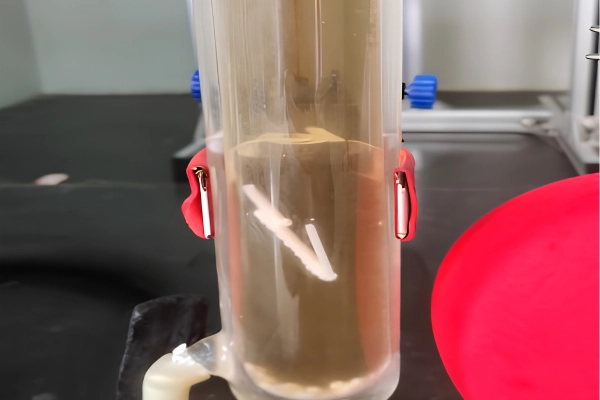
ملاحظة: يجب ألا تكون درجة حرارة التبلور منخفضة جدًّا. فالتبلور المفرط التبريد الزائد (التبريد الفائق) يمكن أن يؤدي إلى التبلور التلقائي (التبلور السريع), ، مما يؤدي إلى تكوّن بلورات دقيقة ومسامية تعيق تصريف المحلول الأم وتقلل من كفاءة التبخر.
قدرة البلورة على الالتصاق وتكوين القشور
في جهاز التبلور الأنبوبي، يتمثل السيناريو المثالي في نمو البلورات تدريجيًّا على طول جدران الوعاء، لتشكل طبقة مستقرة الطبقة البلورية. ساري المفعول التكثف (الالتصاق) يضمن تصريف المحلول الأم من الفراغات البينية ويسهل عملية التعرق اللاحقة.
وعلى العكس من ذلك، إذا كانت المادة تشكل جسيمات معلقة أو مساحيق دقيقة، فقد لا تكون مناسبة لـ توسيع نطاق العملية. تميل هذه الهياكل إلى احتجاز المحلول الأم، مما يجعل عملية الترشيح والتصريف شبه مستحيلة.
كفاءة تصريف المحلول الأم
تعد القدرة على تصريف المحلول الأم المحور الأساسي لعملية التبلور الفعالة من الحالة المنصهرة. وتكمن الفكرة الأساسية في جعل المكون المستهدف يتبلور بشكل تفضيلي، بينما تتركز الشوائب في الطور السائل. وإذا تعذر إزالة المحلول الأم، تظل الشوائب محبوسة فيه. وتُظهر بعض المواد زيادة حادة في اللزوجة أثناء التبريد، مما يؤدي إلى تكوين معجون لا يمكن فصله بين البلورات والسائل. وبالنسبة لهذه الأنظمة، فإن التحسين الحاسم لدرجة حرارة البذر، ومعدل التبريد، و زمن البقاء عند درجة حرارة ثابتة مطلوب.
فعالية مرحلة التعرق
بعد تصريف المحلول الأم، يتم رفع درجة الحرارة تدريجيًّا لطرد الأجزاء المنقولة ذات النقاء المنخفض — وهي عملية تُعرف باسم التعرق. وتساهم مرحلة التعرق الفعالة في إزالة الشوائب المتبقية، مما يؤدي إلى تحسينات متزامنة في كل من تركيز المنتج ولونه.
إذا لم يحدث تعرق ملحوظ، أو إذا كان الهيكل البلوري في حالة حدوث انهيار مبكر أثناء ارتفاع درجة الحرارة، تكون الاستقرار الهيكلي للبلورات غير كافٍ، مما يحد من إمكانية التنقية القصوى.
تدرج التركيز بين الأجزاء
هذا هو المقياس الأكثر مباشرةً لقياس النجاح. يجب أن تثبت العملية القابلة للتطبيق أن تركيز المنتج أعلى بشكل ملحوظ من تركيز المادة الخام، في حين أن تركيزات المحلول الأم والمحلول المتسرب أقل.
- مؤشر إيجابي: ترتفع درجة النقاء من 90% إلى 97%+ في المرحلة الأولى، لتصل إلى 99%+ في المرحلة الثانية.
- المؤشر السلبي: إذا ظلت مستويات التحليل في كل من المادة الخام والسائل الأم والمنتج متطابقة تقريبًا، فإن عملية الفصل تكون غير فعالة بغض النظر عن التبلور الفيزيائي الملحوظ.
الخاتمة
لا يمكن الحكم على مدى ملاءمة مادة ما للتبلور بالذوبان بناءً على وجود البلورات فحسب. فالجدوى الحقيقية تتحدد من خلال علم التشكل, استقرار القياس, قابلية التصريف, كفاءة التعرق, ، وواضح تدرج النقاء.
تتمثل مهمة التجارب على نطاق المختبر في استخدام أقل قدر ممكن من المواد للإجابة بسرعة على هذه الأسئلة الأساسية. ولا يصبح من المجدي مناقشة الأمر إلا بعد التحقق من صحة التوجه التقني تحسين العائد, تصميم المسرح, و توسيع النطاق الصناعي.