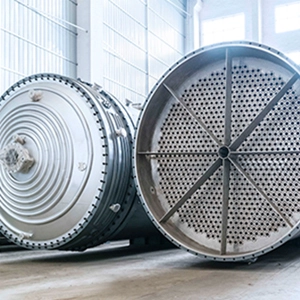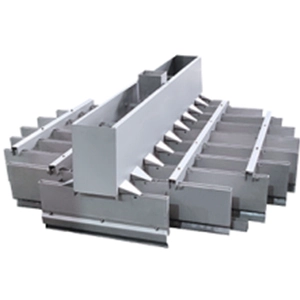
Packed Columns vs. Tray Columns
Both packed columns و tray columns are widely used for gas–liquid mass transfer operations such as التقطير و absorption. Selecting the most suitable column requires evaluating multiple factors, including feed properties, operating conditions, equipment fabrication, maintenance requirements, and overall process objectives.
In practice, there is no universal selection rule. Instead, engineers typically compare the advantages and limitations of each design based on the specific application. The table below summarizes their key differences.
| المعلمة | عمود مملوء | Tray Column |
|---|---|---|
| Pressure Drop | Higher with small random packing; lower with large packing or structured packing | Generally higher |
| Superficial Gas Velocity | Lower for small packing; higher for large packing and structured packing | Generally higher |
| Mass Transfer Efficiency | Traditional packing offers lower efficiency; modern random and structured packing provide high efficiency | Stable performance with consistently high efficiency |
| Liquid-to-Gas Ratio | Requires a minimum liquid flow for proper wetting | Suitable over a wider operating range |
| Liquid Holdup | منخفضة | عالية |
| Installation & Maintenance | More difficult | Easier |
| Construction Materials | Available in both metallic and non-metallic materials | Typically fabricated from metal |
| Capital Cost | Advanced packing generally involves higher initial investment | More economical for large-diameter columns |
When to Choose a Packed Column vs. a Tray Column
Applications Better Suited for Packed Columns
A packed column is generally the preferred choice under the following conditions:
High Separation Efficiency
When high separation performance is required, modern التعبئة المهيكلة or high-performance random packing can significantly improve mass transfer efficiency, allowing a shorter column height while maintaining the required separation.
Vacuum Distillation of Heat-Sensitive Materials
Packed columns are particularly suitable for vacuum distillation of heat-sensitive materials because they provide:
- Low liquid holdup
- Low pressure drop
- Reduced thermal degradation
Corrosive Process Streams
For highly corrosive services, packed columns offer greater material flexibility. Packing and column internals can be manufactured from non-metallic materials such as:
- السيراميك
- البلاستيك
- Composite materials
These options often provide superior corrosion resistance compared with conventional metallic tray columns.
Foaming Systems
Packed columns are generally recommended for foaming liquids.
Since the gas phase flows primarily through the packing rather than bubbling through a continuous liquid layer, foam formation is reduced. In addition, the packing structure helps break down foam, improving process stability.
Applications Better Suited for Tray Columns
A tray column is generally preferred under the following operating conditions:
Wide Operating Flexibility
Tray columns perform well when:
- Large liquid holdup is desirable
- Feed composition fluctuates significantly
- Stable operation over a wide turndown range is required
The larger liquid inventory on each tray helps dampen process fluctuations and improve operational stability.
Low Liquid Flow Rates
When liquid flow is insufficient to properly wet the packing surface, the efficiency of a packed column decreases substantially.
Under these conditions, tray columns generally provide more reliable mass transfer performance.
Fouling, Solids, or Crystallization
Tray columns are often selected for streams containing:
- Suspended solids
- Fouling components
- Crystallizing materials
Their larger liquid flow passages reduce the likelihood of blockage and simplify cleaning and maintenance.
Processes Requiring Internal Heat Exchange
Tray columns are more suitable when the process requires:
- Internal heating coils
- Internal cooling coils
- Multiple feed locations
- Multiple side draws
Their structural configuration makes these features easier to incorporate. In addition, the relatively large liquid holdup on each tray improves heat transfer between the process fluid and internal heat exchange equipment.
High-Pressure Distillation
Industrial experience has shown that tray columns remain the preferred choice for high-pressure distillation.
At elevated operating pressures, the vapor-to-liquid ratio becomes relatively low, while vapor back-mixing becomes more pronounced. Under these conditions, the separation efficiency of packed columns often declines.
Tray columns generally provide more stable vapor-liquid contact and maintain better separation performance in high-pressure applications.