【Industry Context】
Escalating international conflicts and geopolitical tensions have made energy and resource supply increasingly unstable. Oil and gas transportation and supply risks are rising, while coal chemical industries are facing tighter carbon constraints.
Against this backdrop, many chemical companies are becoming increasingly concerned that excessive reliance on single fossil-based feedstocks such as petroleum, coal, and natural gas may expose them to greater risk. As a result, they are gradually considering more stable, lower-carbon, and more diversified alternative feedstocks
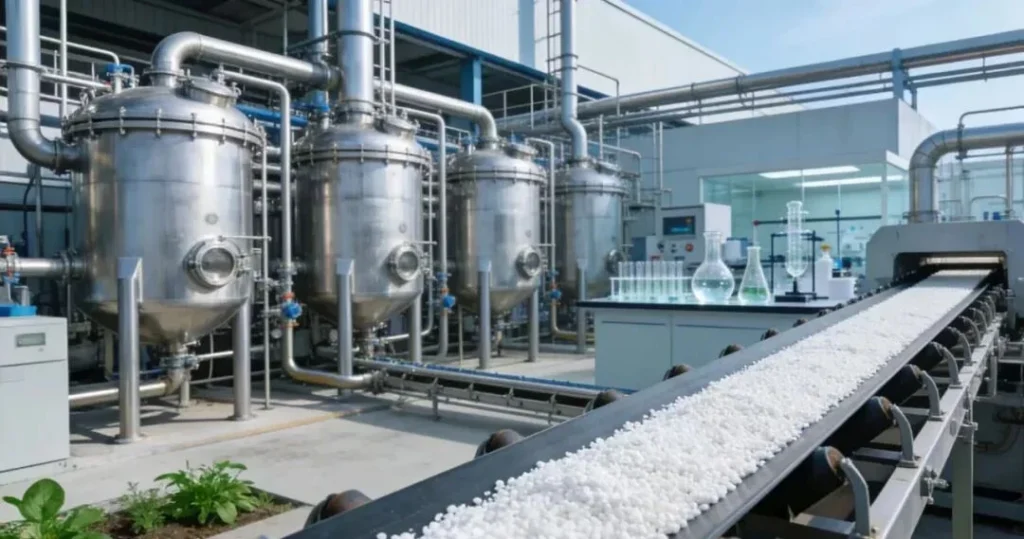
For chemical companies, bio-based development is no longer merely an environmental slogan or abstract concept. It has become a practical choice directly related to feedstock security, product upgrading, customer certification, and profit structure.
【Key Questions When Choosing a Bio-Based Route】
1. Which bio-based segment should the company enter?
2. Is the chosen technology route mature?
3. Can the product access high-end markets?
4. Can the project be successfully built, started up stably, and deliver on-spec products?
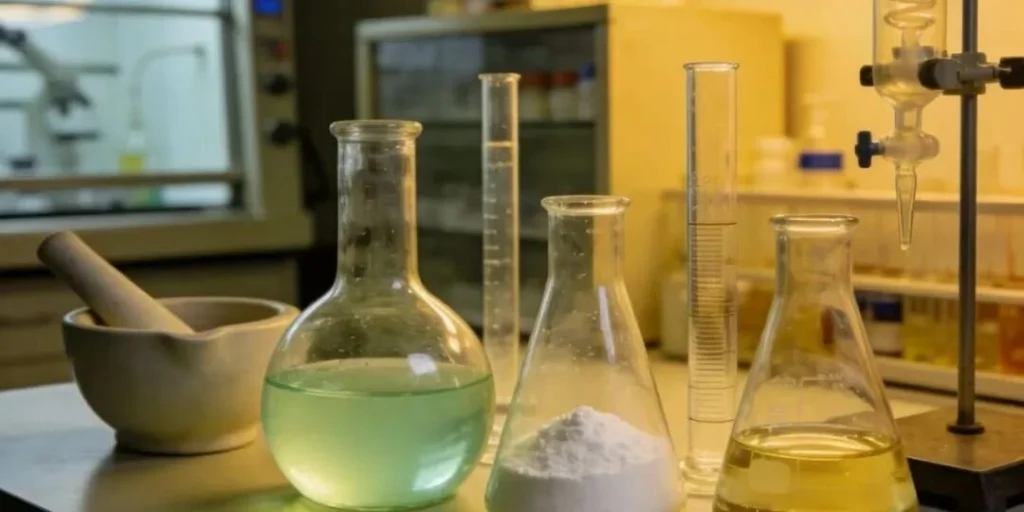
The core challenge of bio-based projects is that they span feedstocks, reactions, separation, purification, polymerization, equipment, and downstream applications. Conceptual understanding alone is not enough to deliver a project, and equipment supply alone can hardly solve the fundamental process challenges. DODGEN’s strength lies in integrating technical assessment, process development, core equipment, and industrialization experience.
I. Bio-Based High-Purity Monomers – The Foundation of Product Quality
The most common challenge in bio-based industrialization is not whether a product can be synthesized in the laboratory, but whether polymerization-grade or electronic-grade purity can be achieved continuously and stably at low cost and low energy consumption. Pigments, organic acid impurities, residual culture media, and trace impurities in fermentation broth may, once introduced into the polymerization stage, lead to uncontrolled molecular weight, product yellowing, and batch-to-batch instability.
With melt crystallization as its core, DODGEN integrates unit technologies such as falling-film evaporation, high-efficiency distillation, devolatilization, and polymerization intensification to provide engineered solutions for thermally sensitive, high-purity, high-value-added bio-based monomers.
【Key Bio-Based Monomers】
1. HMF
Downstream directions: FDCA, furan resins, and pharmaceutical / agrochemical / fragrance intermediates.
Product value: A gateway to fine chemicals and bio-based polyester platforms, with a focus on solving thermally sensitive separation challenges.
2. Bio-Based Adipic Acid
Downstream directions: PA66, polyurethane, plasticizers, and polyester polyols.
Product value: Suitable for engineering plastics and polyurethane customers seeking to establish a low-carbon C6 platform.
3. Lactide
Downstream directions: PLA, PLGA, and PLA copolymers.
Product value: A core precursor that determines the molecular weight, color, mechanical properties, and stability of PLA.
4. BDO
Downstream directions: PBS, PBAT, polyurethane, high-end solvents, PTMEG, and related applications.
Product value: Stable removal of water, light and heavy fractions, colored impurities, and trace by-products, enabling BDO to enter polyester, polyurethane, and high-end chemical applications more reliably from the feedstock stage.
5. إيزوسوربيد الأيزوسوربيد (ISO)
Downstream directions: PC, copolyesters, and epoxy / UV monomers.
Product value: Targeted at high-performance bio-based materials, with emphasis on meeting polymerization-grade and electronic-grade requirements.
II. Ethanol-Based Methyl Methacrylate (MMA) – Opening a New Feedstock Window for Traditional Value Chains
Methyl Methacrylate (MMA) is an important basic monomer for PMMA, coating resins, adhesives, and optical materials. Conventional routes are significantly affected by petrochemical feedstocks, the safety and environmental requirements of hydrocyanic acid, and oil price fluctuations. Ethanol-based MMA offers customers a new feedstock option: ethanol can be derived from bio-based, coal-based, or other low-carbon routes.
Recommended route: bio-based / coal-based ethanol -> carbonylation-related intermediates -> MMA -> PMMA / coating resins / adhesives / optical materials.
DODGEN’s ethanol-based MMA technology emphasizes process-route optimization based on mature carbonylation chemistry, combined with engineering capabilities in separation, evaporation, distillation, and crystallization to address thermally sensitive separation and multi-component system processing challenges.
Downstream applications: PMMA, MMA specialty resins, coatings, adhesives, acrylate / methacrylate monomers, and optical-material enterprises.

III. Bio-Based Modified Materials – Expanding High-Performance Application Space for Polymers
1. PBIS
PBIS: PBS modified with bio-based Isosorbide (ISO).
PBS already has a foundation for applications in bio-based and biodegradable materials. However, its material performance still needs further improvement in heat resistance, rigidity, dimensional stability, and high-end processing scenarios. By introducing bio-based Isosorbide (ISO) for copolymer modification, the PBIS route can be developed, helping PBS upgrade from a general biodegradable material to a higher-performance copolyester.
By focusing on Isosorbide (ISO) refining, polymerization reaction intensification, devolatilization, viscosity control, and continuous equipment, DODGEN can provide systematic support for PBIS route development, process validation, and industrial scale-up.
Recommended route: bio-based succinic acid / BDO + bio-based Isosorbide (ISO) -> copolymer modification -> PBIS -> high-performance biodegradable materials / films / injection molding / modified composite materials.
2. PEIT
PEIT: PET modified with bio-based Isosorbide (ISO).
The PET value chain is mature, yet customers continue to demand material upgrades in high-heat-resistance, transparent, optical, and high-end packaging / sheet applications. Copolymer modification of PET with bio-based Isosorbide (ISO) can form the PEIT route, extending conventional polyester toward bio-based, high-performance, and differentiated applications.
DODGEN can provide high-purity Isosorbide (ISO) purification, esterification / polycondensation process optimization, polymerization equipment, and supporting separation and purification systems, helping PET customers develop high-performance transparent polyesters, specialty copolyesters, and high-end application markets.
Recommended route: PTA / DMT + EG + bio-based Isosorbide (ISO) -> copolymer modification -> PEIT -> high-end packaging / optical sheets / transparent heat-resistant polyesters / specialty copolyesters.
Why DODGEN?
Turning a Technical Route into an Integrated Solution
Interview with DODGEN’s General Manager on Development Trends in the Bio-Based Chemical Industry
【Patented Equipment Covering Key Nodes of Bio-Based Production Lines】
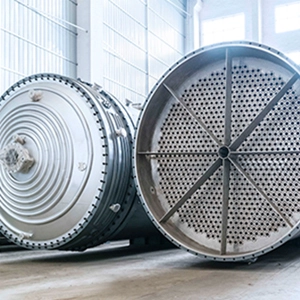
A dedicated solution for high-viscosity polymers. It addresses mass- and heat-transfer bottlenecks in the final polymerization stages of PLA, PBS, and PGA. Its reaction efficiency is significantly higher than that of conventional stirred-tank reactors, while molecular-weight distribution remains controllable, making it core equipment for upgrading bio-based polymerization production lines.
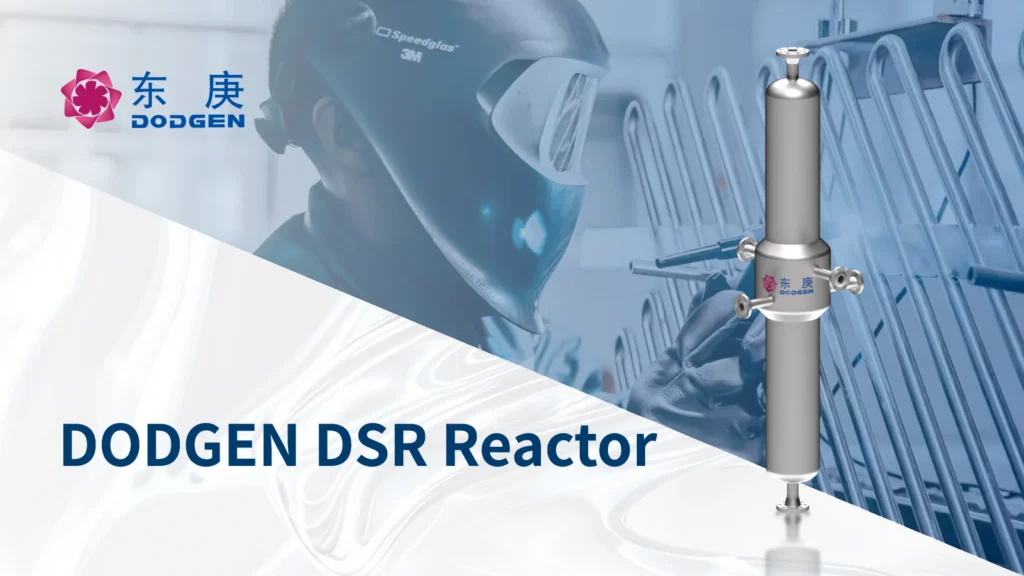
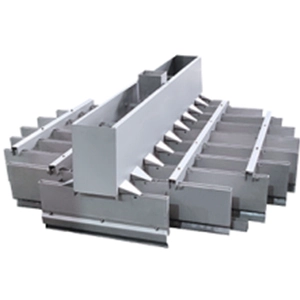
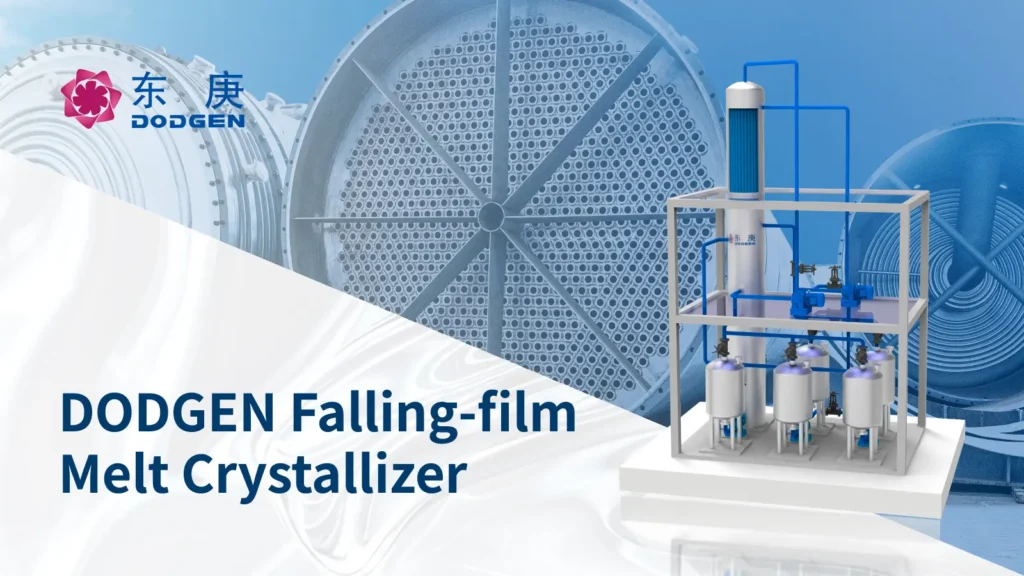
A core tool on the purification side. It is suitable for thermally sensitive monomers such as lactide, HMF, FDCA, succinic acid, and Isosorbide (ISO), achieving polymerization-grade purity of >=99% with significantly lower energy consumption than conventional distillation routes. It is also a key piece of equipment through which DODGEN builds its technical barriers in high-purity purification platforms.
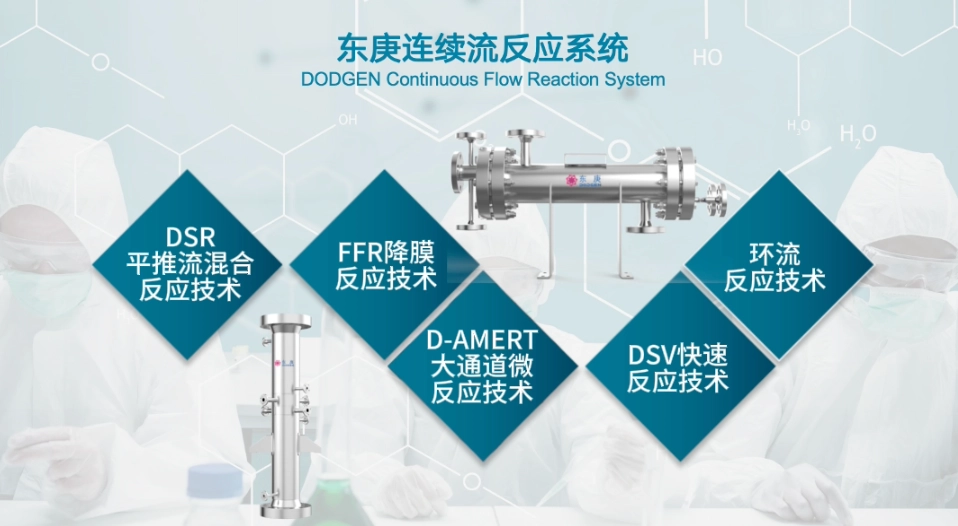
A safe fast track for fine synthesis. It is suitable for fast and highly exothermic reactions, such as vegetable oil epoxidation and the oxidative esterification step in MMA production. Continuous operation improves both safety and selectivity while significantly reducing by-products.
The preferred solution for fermentation broth treatment. When processing thermally sensitive materials such as lactic acid and succinic acid, low-temperature and short-residence-time operation protects product quality while reducing steam consumption, delivering significant benefits for energy-consumption control in bio-based production lines.